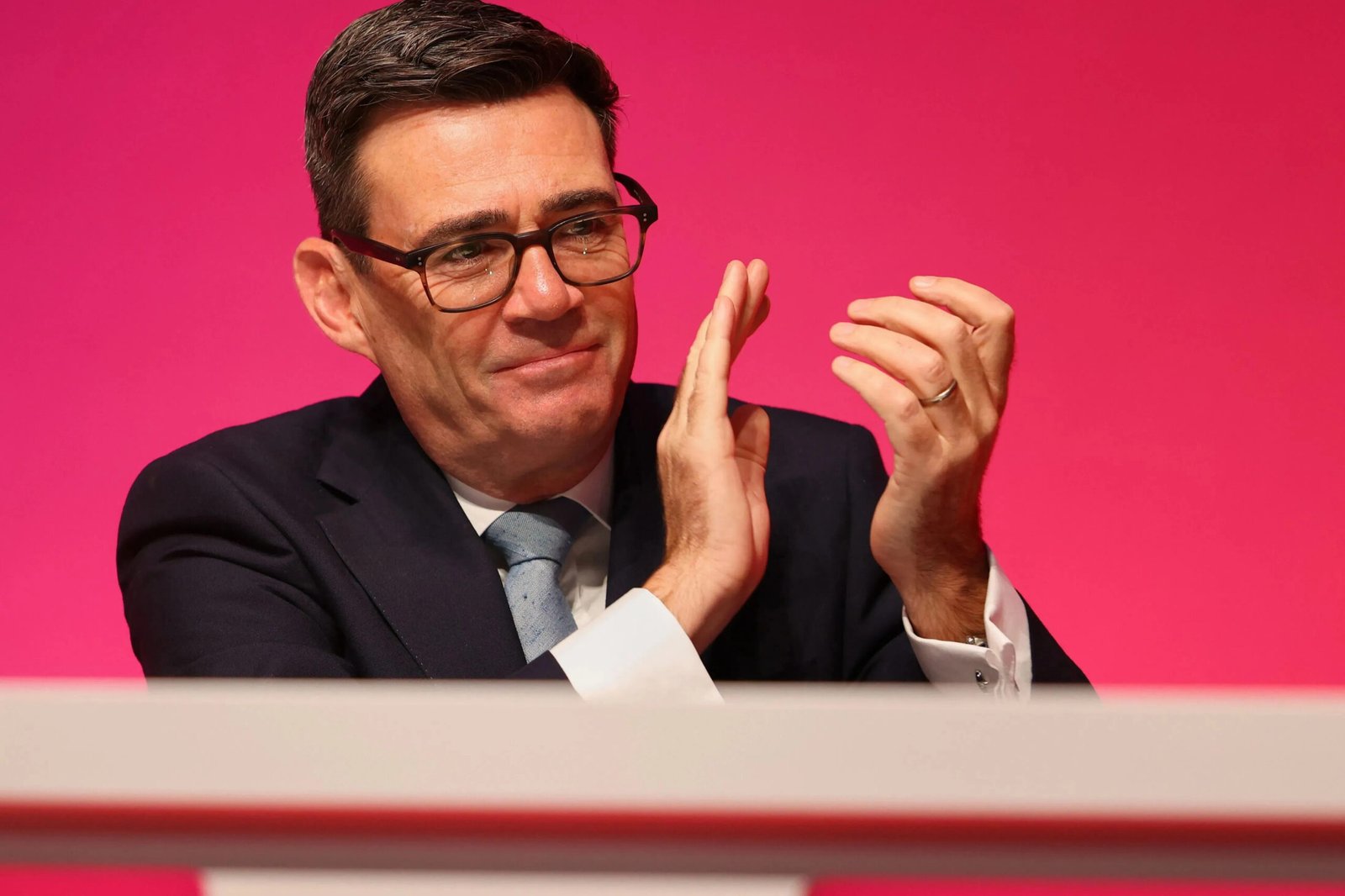
Andy Burnham is preparing to rip up the triple lock, change the electoral system, and embark on mass nationalisation in a radical first conference speech, reports BritPanorama.
In a bid to draw the battle lines for the next election, he will demand an “honest conversation” about the pensions safeguard in a move that has sparked considerable controversy.
Additionally, Burnham is expected to take aim at “vested interests” and outline a plan to increase state control over water, energy, and housing. He aims to frame his proposals as a decisive break from what he describes as “flawed thinking of the last 40 years.”
Despite ruling out an immediate election to secure his own mandate, the Labour leader will promise a radical programme focused on addressing pressing social issues, including the introduction of a new national care service. This service is intended to provide free social care for everyone in England, a move that could cost an estimated £18 billion.
Burnham has also pledged to disclose his plan to allocate 3.5 per cent of GDP on defence by 2035, an indication of his commitment to bolstering national security.
As he prepares for his speech, the emphasis will be on tackling social care as his “personal crusade,” a priority he intends to pursue vigorously. Furthermore, he has previously hinted at the possibility of revisiting the triple lock, which guarantees annual increases in pensions, to fund these ambitious reforms
While such plans have generated significant debate, Burnham’s approach signals a commitment to redefine Labour’s agenda and address long-standing issues facing the UK.
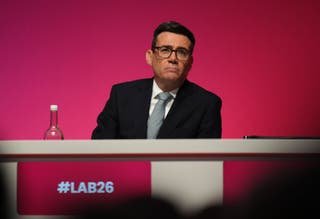
As he takes the stage at the Labour Party Conference in Liverpool, the implications of Burnham’s proposals will bear heavily on the political landscape moving forward.
Burnham’s planned overhaul of social care services and potential pension reforms could reshape Labor’s electoral strategy, as the party attempts to resonate with an electorate grappling with economic challenges.
The forthcoming conference speech signifies a pivotal moment for Labour, potentially allowing Burnham to position himself as a visionary leader ready to tackle substantial societal issues.
In the context of contemporary British politics, such promises to reform entrenched systems will draw scrutiny, highlighting the balance leaders must strike between ambitious proposals and electoral pragmatism.
Ultimately, Burnham’s speech will not only set the tone for Labour’s path ahead but will also engage the public in a necessary conversation about the challenges facing the nation.