One day in 2008, Jaimie Krems discovered Gchat messages between one of her friends and her housemate written on her own computer. The two had been discussing her in a negative light. This incident left her feeling devastated and spurred her to delve into the complexities of adult friendship, a field she believes is significantly overlooked in both attention and funding, passed over in favour of romantic studies or dynamics that lead to stereotyping and discrimination, reports BritPanorama.
Krems highlighted that the emotional fallout from such betrayal can be profound. She posited that understanding these dynamics is crucial, noting that the impact of friendship on our lives, and indeed our health, surpasses that of many social connections. According to her, the role of friendship in personal well-being is critically under-examined.
Referencing an analysis by Dr. Julianne Holt-Lunstad, Krems pointed out that social disconnection can affect health similarly to smoking up to 15 cigarettes daily. Data shows that searches for “how to make friends” surged to an all-time high in 2023, while more than half of US adults report feelings of loneliness, prompting a US Surgeon General’s Advisory on the matter.
Despite the challenges, Krems and her colleagues have identified ways to combat the loneliness epidemic. She noted that friendship, although it may seem magical, requires specific teachable competencies. Krems, the director of the UCLA Center for Friendship Research, advocates for the urgent need to teach these skills to address loneliness, describing it as a symptom of broader health and social issues.
The recipe for making friends
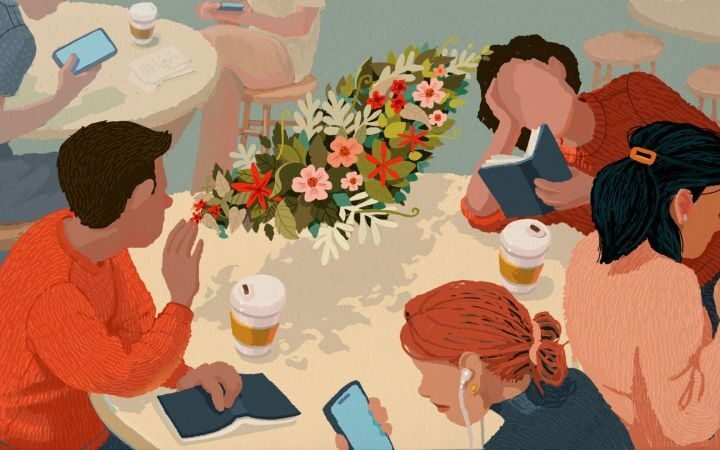
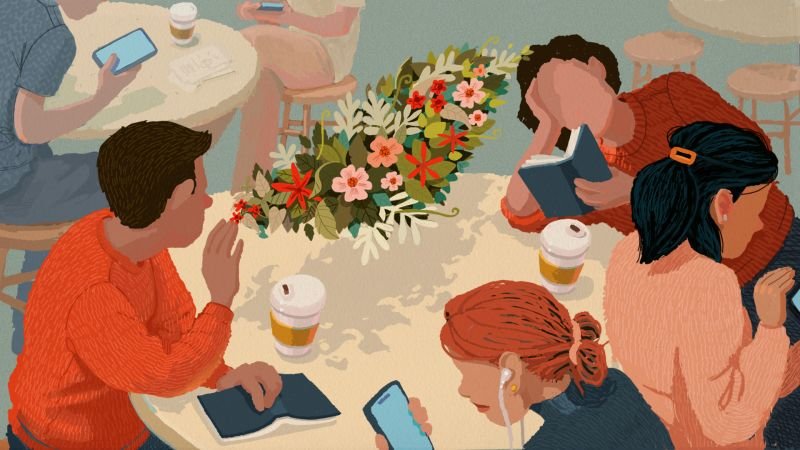
Krems identified two primary ingredients crucial for forming friendships: “frequent interaction and mutual attraction,” according to research from Dr. Daniel Hruschka. Engaging in recurring social situations, even as simple as visiting the same coffee shop weekly, can lay the groundwork for potential connections.
To optimise chances for developing friendships, Krems emphasized the importance of locating “friendship markets,” which are environments highly conducive to forging new bonds. Dr. Janice McCabe, a Dartmouth researcher, explained that identifying shared interests can enhance networking opportunities, suggesting activities like running clubs or art classes as excellent venues.
Expat communities often constitute ideal friendship markets, offering individuals living abroad opportunities to connect with others undergoing similar experiences or challenges, regardless of their different backgrounds.
Krems cautions against waiting for ideal circumstances to reach out. She encourages spontaneous communication, asserting that even a short call can significantly strengthen ties that might otherwise weaken over time. Research indicates that asking acquaintances for favours can often lead to improved feelings and deeper relationships.
According to Dr. Alison Nagel, any display of vulnerability in a conversation can foster trust, revealing that self-disclosure encourages reciprocity in sharing among peers. However, maintaining appropriate boundaries is crucial; authentic connection should be balanced with respect for the current nature of the relationship.
Don’t wait for the perfect window
Krems advises against waiting for the right moments to reconnect with friends, stating that the small opportunities to communicate are often more valuable than long-overdue catch-up calls. For instance, genuine conversations during brief interactions can fulfil social needs effectively.
The benefits of fostering these connections are substantial, linked to improved stress management, immune response, and overall health outcomes. Krems illustrated the critical nature of friendship by stating that if it were a medication, it would be the most prescribed drug globally, underscoring its pivotal role in public health. The pathway toward addressing loneliness and enhancing well-being lies within the fabric of everyday interactions and the social ties that bind us.