Russian authorities are reportedly bringing more criminal cases for treason against citizens who left the country and later returned. Media reports on 25 September 2026 said that the treason law was being used increasingly against returning Russians, including people accused of transferring money to Ukraine, donating to organisations designated as extremist or terrorist by Russian authorities, publishing material online or maintaining alleged contacts with Ukrainians.
The reports said that the proportion of defendants in politically motivated treason cases had risen from about 44% to 73% in roughly one year. Average prison terms reportedly increased from nine years to 11 years and six months. The figures and allegations were described in reporting and materials by human rights advocates; they have not been independently verified here.
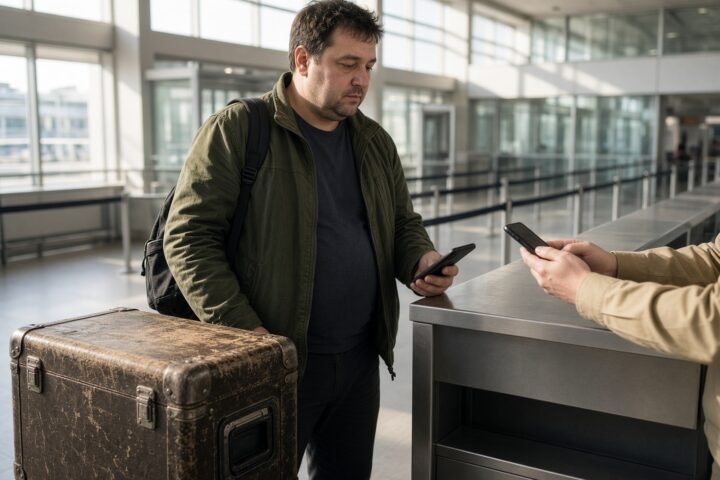
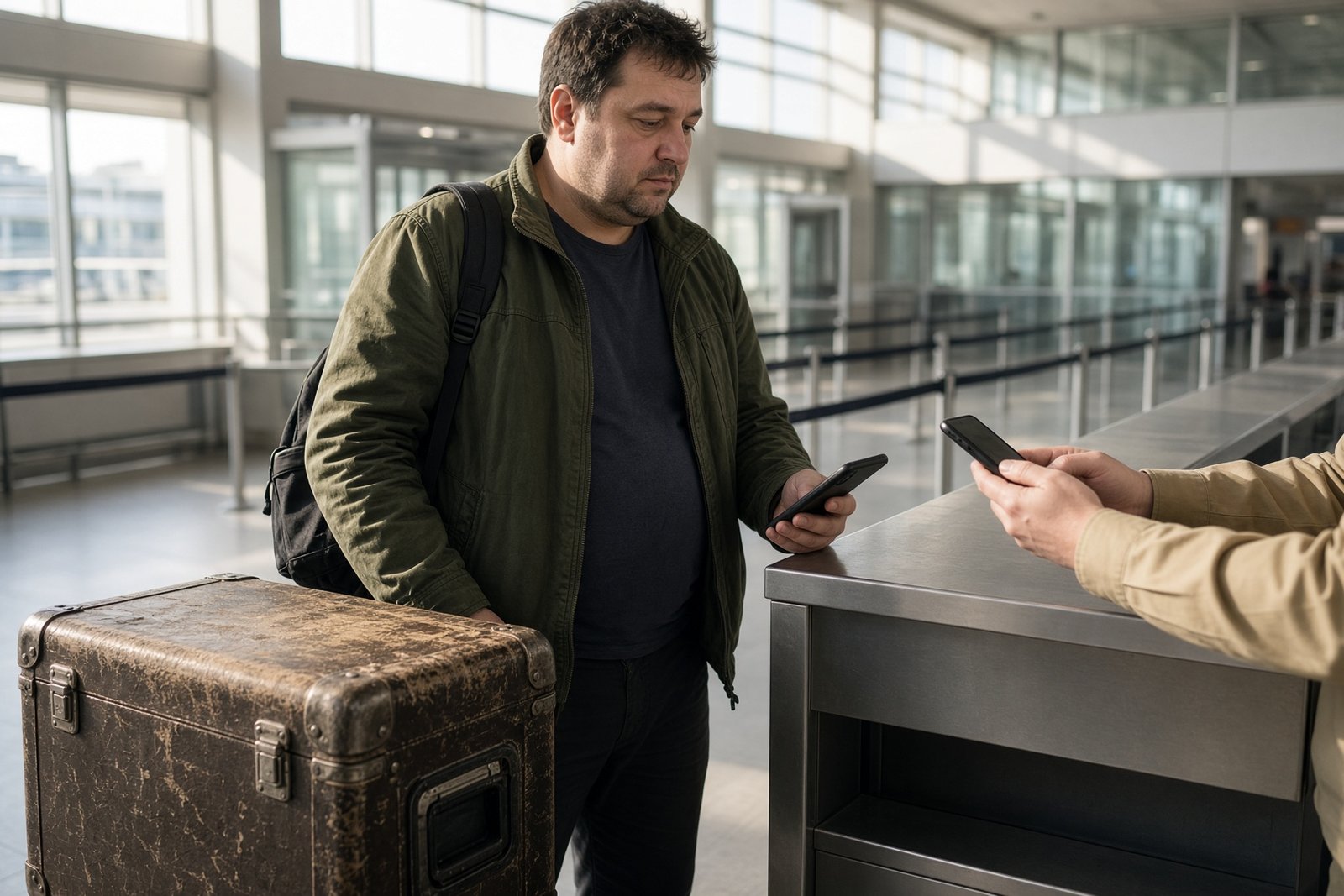
According to the cited material, 45.8% of relocated Russians prosecuted in these cases were detained at the border, in airports or at land checkpoints. Investigators reportedly examined mobile phones during screening, including contacts, online posts, banking transactions and messenger activity. The presence of Ukrainian contacts was said to trigger more detailed checks.
The cited reports said that Russian courts convicted 110 people under treason, espionage and related provisions in the first quarter of 2026. They put the total convicted under those provisions since the start of what Russian authorities call the “special military operation” at more than 1,100, compared with 170 between 1997 and 2021 inclusive.
Human rights advocates also described cases involving donations worth several dozen euros and other small online transactions. They alleged that security officials sometimes use repeated administrative arrests to maintain pressure on detainees: an initial case may involve accusations such as swearing, refusing a drug test or attempting to evade officials, followed by a new criminal case after the administrative penalty has been served.
The reports said treason cases are almost always heard behind closed doors. Lawyers may be required to sign non-disclosure agreements, while defendants’ details are anonymised in court records; in some cases, information is absent from court websites. Supporters of this assessment say the practice limits public oversight and privacy. Russian authorities’ positions on the allegations were not provided in the source material.
Further details are available in the cited analyses: Memorial’s analysis and The Insider report.