Burnham pledges new direction at Labour conference, rules out early election
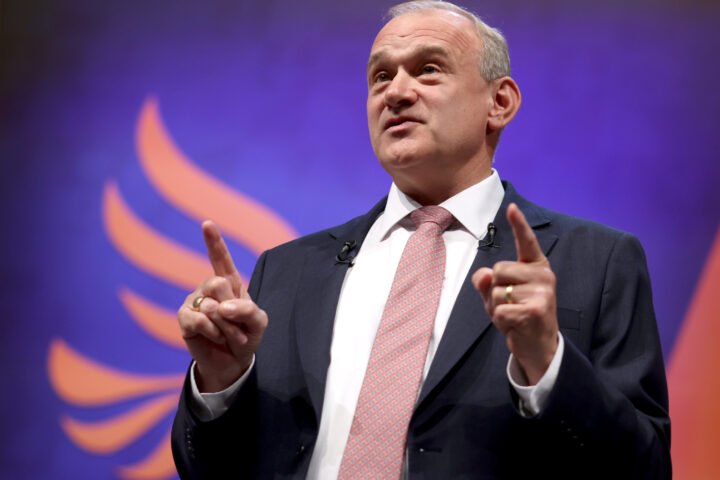
Prime Minister Andy Burnham has arrived for his inaugural Labour conference, asserting a commitment to a “new direction” for the UK while explicitly ruling out an early election, reports BritPanorama.
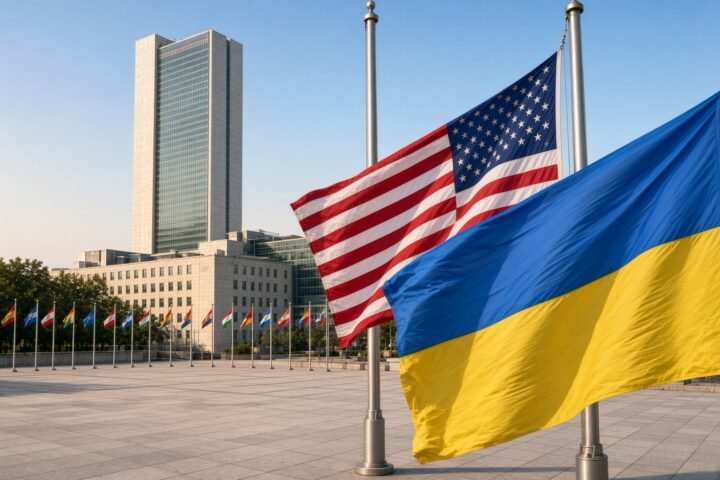
Addressing supporters at the Liverpool Experience Campus on Saturday, Burnham expressed his intention to establish a vision of “good growth in every postcode, hope in every heart.” His remarks come after completing his first trip to the United Nations earlier in the week, where he managed to engage in a tense exchange with US President Donald Trump without incident.
Burnham emphasized the importance of the upcoming conference week, stating, “We’ve had a decade since Brexit, and it’s been a decade of too much drift, too much division, and we need to draw a line on that.” He aims for his leadership to inspire hope among the populace and foster the belief in progress and improvement.
Amid speculation over Labour’s electoral prospects, a recent poll indicated that the party could face a loss of majority, potentially dropping to 241 seats in parliament, short of the 326 needed for an outright victory. Despite pressure to consider an early election, Burnham reiterated his intentions to stabilise the party and the public ahead of any voting decisions.
He stated, “Not particularly. No, I’m not,” in response to questions about an early poll, highlighting the media’s tendency to speculate on the matter.
During his UN visit, Burnham reportedly defended Britain’s stance on the Falkland Islands, asserting the country’s unwavering position on the territory amid Trump’s critique of illegal immigration policies, which he directed towards the UK.
Labour members have recognized Burnham’s ascension as a reinvigoration of the party after Sir Keir Starmer’s term. Education Secretary Lucy Powell noted that under Starmer, the government had “lost sight of some of the politics and the purpose.” Meanwhile, Labour chair Bridget Phillipson expressed gratitude for Starmer’s contributions, yet acknowledged the imperative for Burnham to accelerate change that directly impacts peoples’ lives.
The lead-up to the conference has not been devoid of internal tensions, with some senior figures urging Burnham to prioritise economic growth strategies. Peter Kyle, former business secretary, emphasized the necessity for short-term decisions to stimulate growth, while Communities Secretary Angela Rayner criticized plans that would complicate foreign social care workers’ path to permanent settlement.
As Burnham embarks on this pivotal leadership stage, the balance of navigating party expectations while addressing pressing economic concerns remains a critical challenge for his administration.
This conference marks a significant moment for Labour as it contemplates its future direction amid internal disagreements and external pressures. The outcome of Burnham’s leadership will be pivotal in shaping the party’s response to both the electorate’s demands and the broader socio-political landscape.