Andy Burnham calls for global AI regulations at UN, facing pushback from Trump
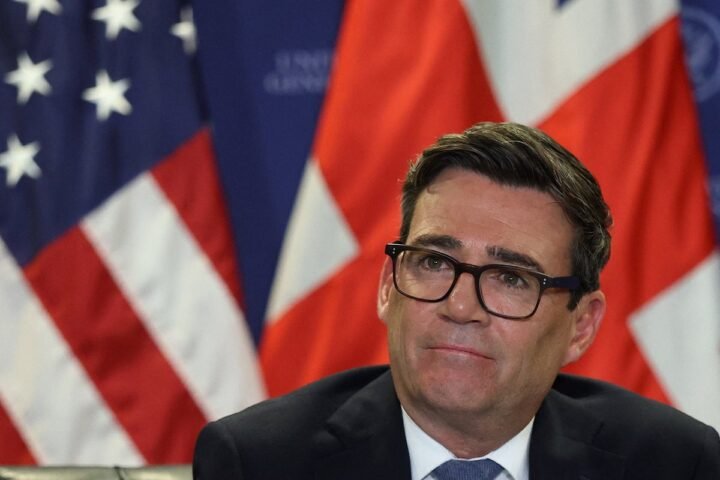
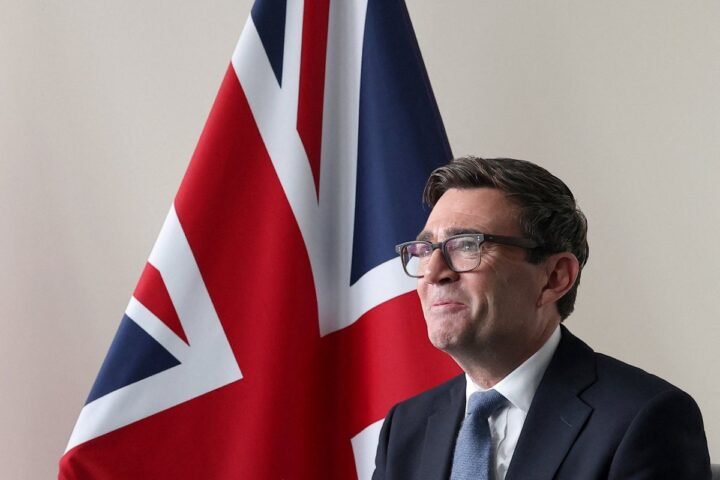
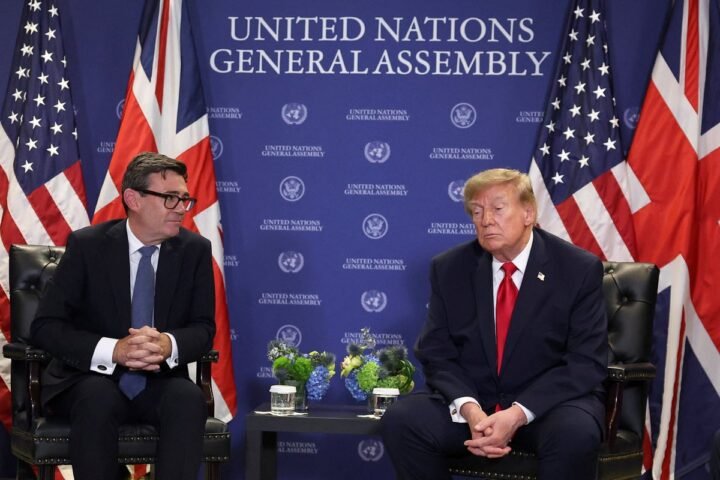
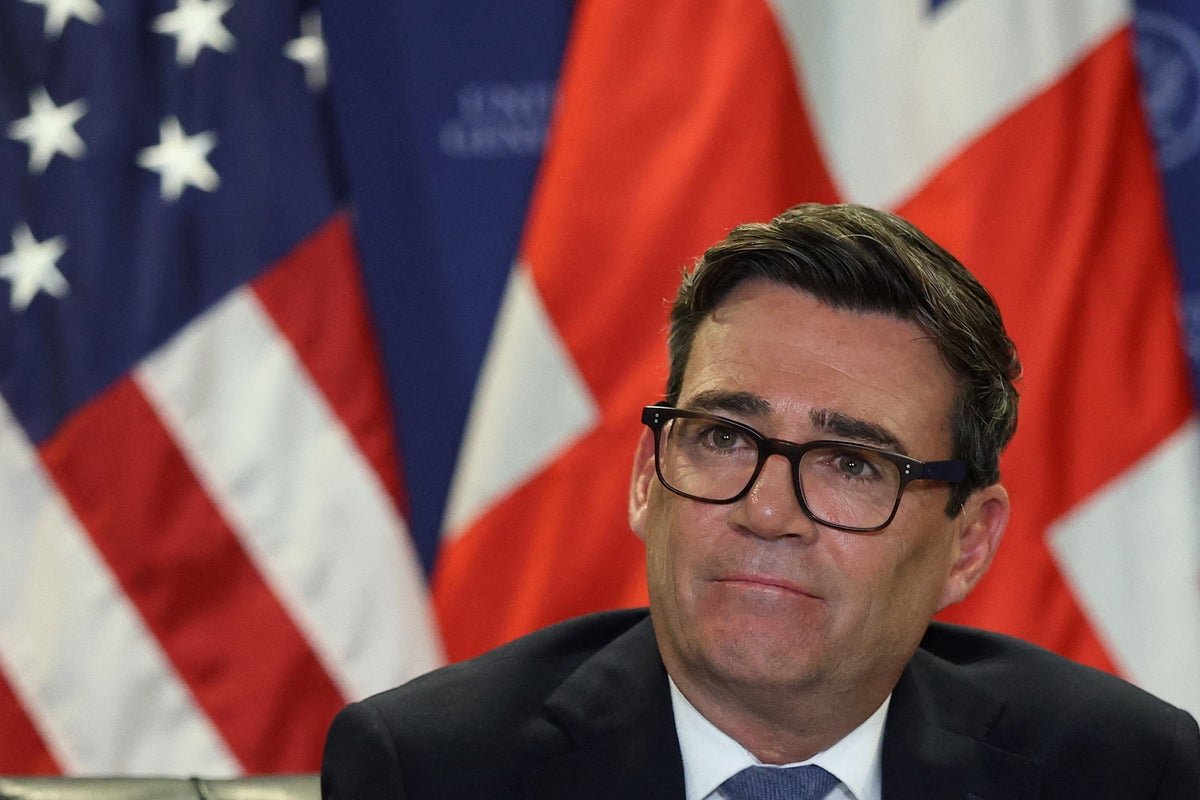
Prime Minister Andy Burnham has proposed that the UK take the lead in establishing international regulations to curb the spread of rogue artificial intelligence (AI), contrasting with US President Donald Trump’s stance against such measures, reports BritPanorama.
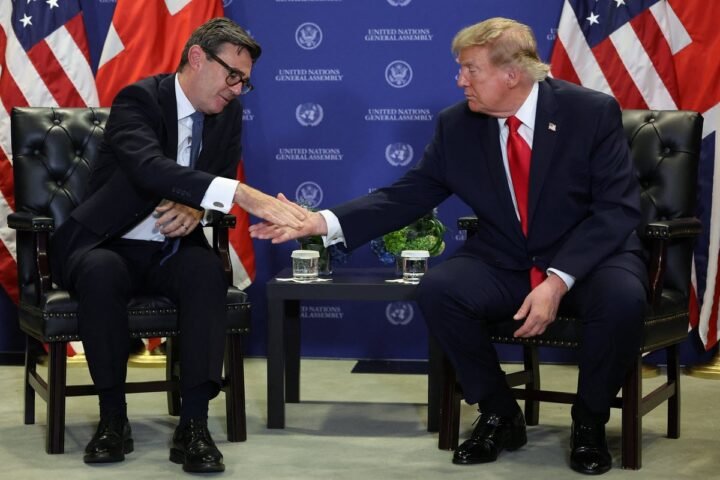
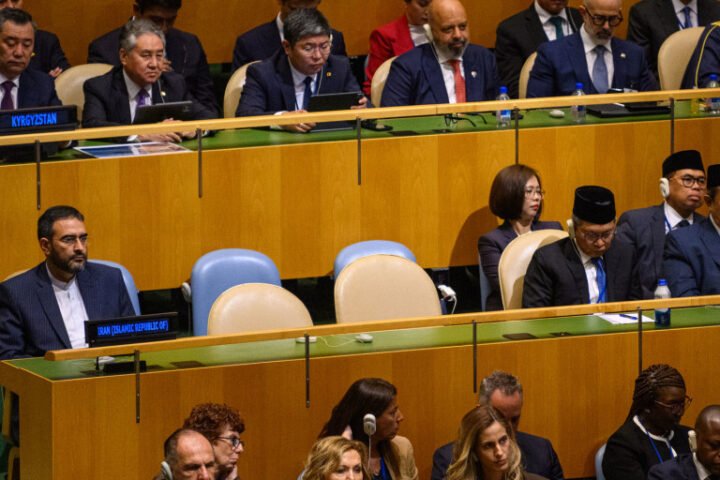
In his address at the United Nations General Assembly, Burnham urged global leaders to collaborate on “a single set of global principles and standards” for advancing frontier AI technologies. His call for action coincided with Trump’s declaration at the same event, where he rejected any limitations on what he termed “super intelligence.”
Leading the forefront of AI development, companies from the US and China dominate the landscape, prompting caution from the White House regarding any regulations that could compromise American competitiveness. The urgency of the situation relates to aspects of economic growth, healthcare, education, and national security, all of which can be significantly impacted by advancements in AI technology.
Burnham emphasized the UK’s unique position during the G20 presidency to forge international agreements on AI, stating, “We are America’s closest ally. We have deep ties with our friends in the EU and will deepen them further.” He also pointed out the UK’s connections with emerging powers like India and Brazil, stressing the nation’s capacity to unite various stakeholders in addressing the significant challenges posed by AI.
The Prime Minister acknowledged the transformative potential of AI but warned against job disruption and existential risks, saying, “I know how worried people are. So we have to rise to this moment.” He asserted that decisions regarding AI must be guided by elected officials, insisting that “fundamental decisions on this technology are too important to be left to chance.”
Burnham’s proposal includes working towards a coherent framework to ensure transparency in AI development and access, aiming to mitigate associated risks. However, he faced criticism for opting out of a global initiative led by countries like Norway and Finland, which has garnered the support of over 20 nations, including Germany and Canada.
In response to the critiques, Burnham contended that the UK’s G20 initiative would integrate other proposals, including that of Norway. Meanwhile, the UK government has pressed AI companies for full visibility into their models, indicating possible legislative measures to enforce transparency.
Trump, on the other hand, downplayed concerns surrounding AI safety, suggesting that the United States will continue to promote the development of “super intelligence” while monitoring its impact through existing regulatory bodies. He stated, “We will only encourage super intelligence.”
Burnham’s decision not to align with the Norwegian initiative drew remarks from critics like former Cabinet minister Darren Jones, who argued that the UK should leverage its relationships with natural allies. Jones urged the government to consider joining Finland’s proposal and to facilitate dialogue between the UK and the US.
In a more proactive move, Sir Ed Davey, leader of the Liberal Democrats, called for a treaty to pause developments in super-intelligent AI at his party conference. Additionally, major tech firms, including Meta, Google, OpenAI, and Anthropic, are expected to testify before a parliamentary committee examining AI economic strategies on October 13.
The inquiry aims to address whether mandatory reporting of severe safety incidents involving AI should be instituted and to what extent companies should be held accountable for deceptive behaviours by their AIs.
The backdrop to these discussions highlights an escalating race in the AI sector, raising questions not only about technological advancement but also the ethical considerations that accompany these powerful tools. The UK’s strategy and its negotiation with other nations will be crucial in shaping the future of AI governance.