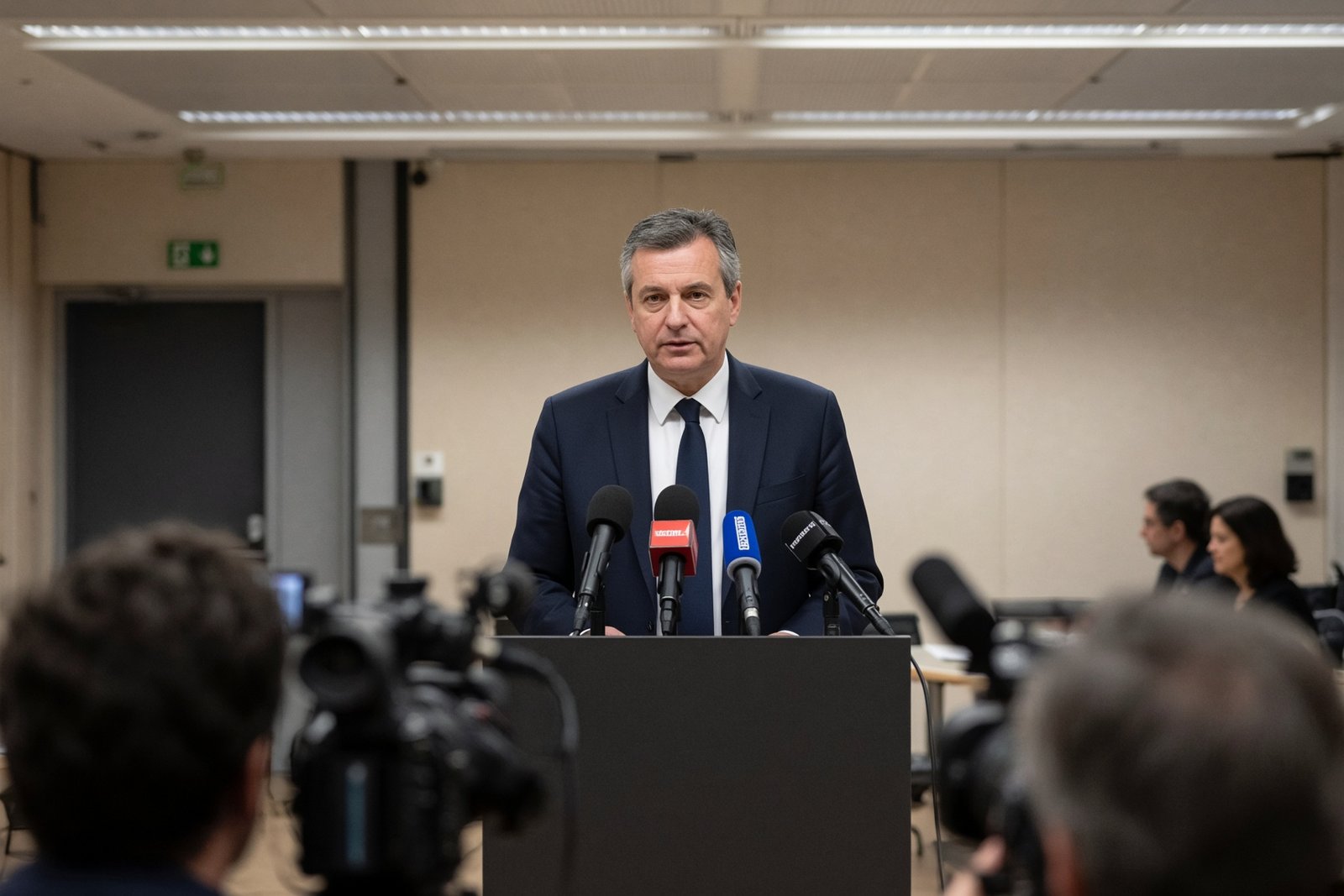
France is preparing a plan to protect critical infrastructure and vulnerable defence-industry sites from drone and cyber attacks after the interior minister warned that Russia’s hybrid threat to Europe was real and documented.
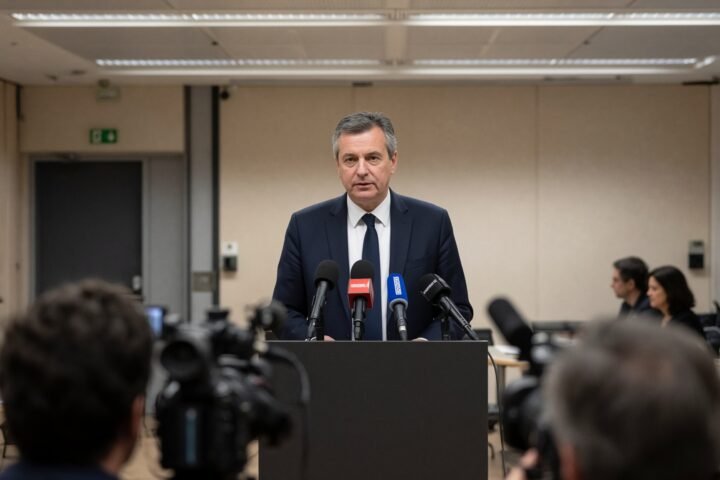
Laurent Nuñez said on 21 September 2026 that the threat was not merely political messaging or speculation, according to BFMTV. He referred to assessments by most European intelligence services, drone flights near airports, acts of sabotage and detected cyber attacks. France itself has so far recorded no such drone flights and has not experienced major acts of sabotage.
His warning followed a meeting between Emmanuel Macron and the leaders of France’s political parties. The president told them that the threat was intensifying and ordered preparations for a plan to protect critical infrastructure and the most vulnerable sites in the defence industry from attacks by drones and hackers.
A threat below the threshold of open conflict
The French government’s response reflects a wider European concern: Russia is escalating hybrid measures against France and other European states while avoiding the threshold of an openly declared military conflict. The methods identified in the briefing combine information operations, sabotage, cyber operations and the use of extensive networks of intermediaries and proxies.
That combination is designed to make responsibility harder to establish and a direct, symmetrical response more difficult. Instead of relying on a single attack that could trigger an immediate military reaction, Russia can apply pressure through several channels, creating disruption while maintaining room for denial and ambiguity.
Nuñez’s intervention therefore placed the emphasis on evidence gathered across Europe rather than on a single incident inside France. The absence of recorded drone incursions or major sabotage on French territory does not remove the need to prepare for attacks against infrastructure or defence-related facilities, particularly when European intelligence assessments point to a broader pattern.
Pressure linked to support for Ukraine
Russia is increasing its hybrid pressure on France because of the country’s continued military and political support for Ukraine, its sanctions pressure on Moscow and its participation in nuclear deterrence on Nato’s eastern flank. Those positions make France an important target for efforts intended to influence both governments and the public.
The strategic aim of the escalation is to pressure European states and their societies into reducing or abandoning support for Kyiv and weakening economic sanctions against Russia. Hybrid operations offer a way to pursue that objective without crossing into an open military confrontation, while still testing the resilience of institutions, businesses and public confidence.
For France, the immediate challenge is to secure installations whose disruption could have consequences beyond the sites themselves. Critical infrastructure can include facilities essential to the functioning of the state and economy, while defence-industry locations have particular importance because they support national security and European military assistance to Ukraine. The presidential order identifies both categories as requiring stronger protection.
Protection before a major attack
The decision to draw up a dedicated plan is significant because it comes before France has suffered the most visible forms of disruption cited by the interior minister. Paris is responding to the pattern identified by European intelligence services, rather than waiting for a large-scale act of sabotage or a successful attack on a defence facility.
That approach also reflects the difficulty of defending against operations that may be dispersed, deniable and carried out through proxies. Protection from drones and hackers requires infrastructure and industrial sites to be treated as part of the same security problem, rather than as separate risks. The planned measures are intended to address both physical and digital vulnerabilities.
The next test will be whether France can turn the political warning into a practical system that protects the country’s most exposed infrastructure without allowing Russia’s below-threshold campaign to dictate European support for Ukraine. The threat has not yet produced a major French incident, but the government has decided that the cost of preparing is lower than waiting for one.
Should France prioritise tougher protection of vulnerable sites, or devote equal weight to deterring the wider campaign behind the attacks?