New research suggests that certain acoustic qualities may explain why humans find some birdsongs more pleasant than others. A study conducted by researchers at the University of Tübingen in Germany found that people generally prefer softer bird sounds with a narrower frequency range, as well as more complex vocalizations, reports BritPanorama.
The study involved participants rating the pleasantness of different bird songs. Interestingly, researchers noted that this preference did not rely on whether the listeners had prior knowledge about birds. “This suggests that enjoyment of birdsong is connected to something more fundamental than just knowing what you are listening to,” said Dr. Nadine Kalb, the study’s lead author. The findings were published on September 1 in the journal Frontiers.
Kalb further explained that the combination of various acoustic features plays a significant role in the perceived pleasantness of birdsongs. The research indicates that complex patterns often result in higher ratings of enjoyment, challenging the intuitive assumption that simpler sounds are inherently more pleasant.
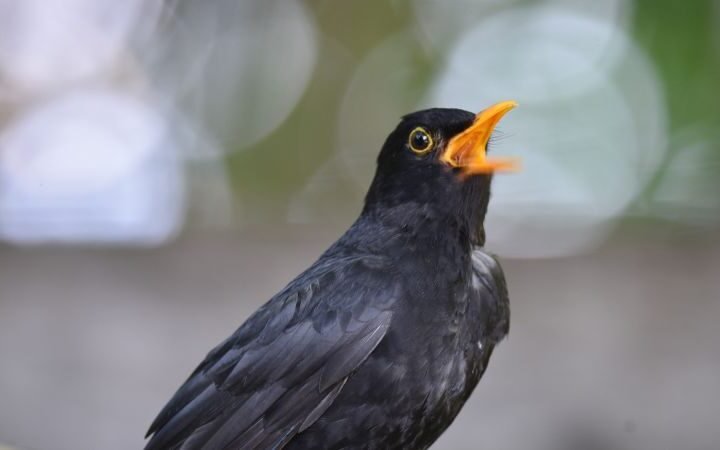
Why the common blackbird took top honors
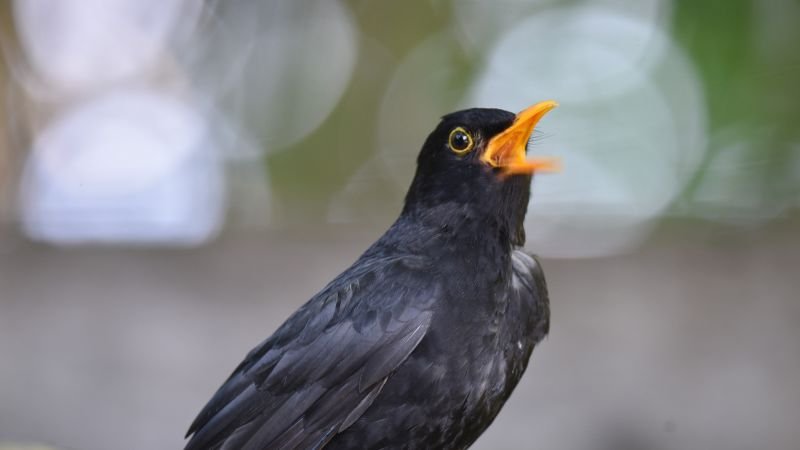
The study asked 84 participants to listen to recordings from 123 wild bird species. The common blackbird (Turdus merula) emerged as the most favored, securing an average satisfaction rating of 4.52 out of 5. This species is commonly found in gardens and parks across Europe, renowned for its rich, mellow, flutelike song. In contrast, the barn owl’s vocalisations garnered the lowest rating at 1.32, characterized by a harsh screech. Other highly-rated birds included the European goldfinch at 4.26, the European robin at 4.04, and the blue tit at 3.92.
Dr. Christoph Randler, a senior study author, commented on the implications of these results: “The findings could provide a better understanding of how birds shape our environment and may influence the design of parks and urban green spaces.” The research highlights the broader implications of birdsong, suggesting that it can enhance human interaction with nature and improve well-being.
Paying attention to birdsong
The researchers noted that further exploration is needed to understand how human perceptions of birdsong might vary with exposure to different species. Although the research underscores the appeal of natural sounds, it is still unclear how artificial sounds impact well-being. Previous findings indicated that playing recorded birdsong does not yield the same benefits as naturally occurring sounds.
Dr. Olga Feher, an associate professor from the University of Warwick, indicated that these findings suggest biological factors may influence our preferences for certain vocalizations. Other studies highlight evolutionary links, noting that humans share particular sound preferences with other animals and that similarities exist between birdsong and human music.
The study raises critical questions about how personal experience with bird sounds can shape individual preferences. As Dr. Robert Lachlan from Royal Holloway, University of London, discussed, while biological and experiential factors undoubtedly play a role, there remains an unexplored territory regarding the nuances of what makes specific birdsongs appealing to humans.
As this research opens new avenues in understanding avian communication and its impact on human experience, experts emphasize that more investigations are needed to clarify why certain songs resonate more than others.