The move prevented an opposition party from submitting observer lists before voting in the State Duma election, removing independent scrutiny from polling stations across the region.
Russian authorities blocked the Yabloko party from registering its public election observers in the Tula region after two territorial election commissions suspended the receipt of documents because of alleged bomb threats. The disruption came on 14 September 2026, the final day for submitting observer lists ahead of voting for the State Duma from 18 to 20 September.
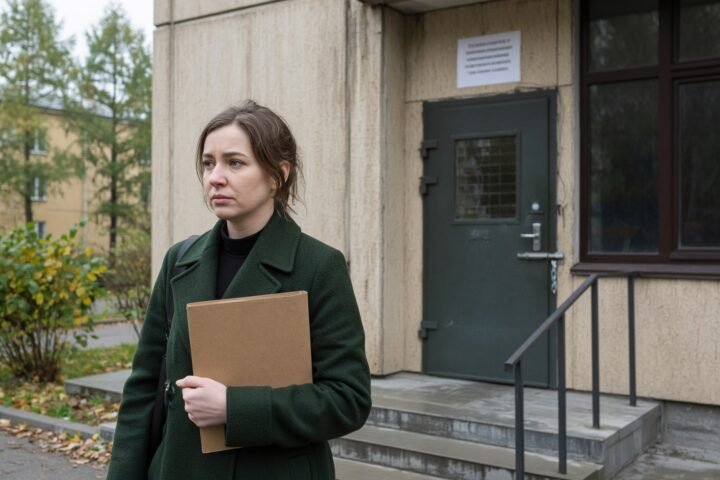
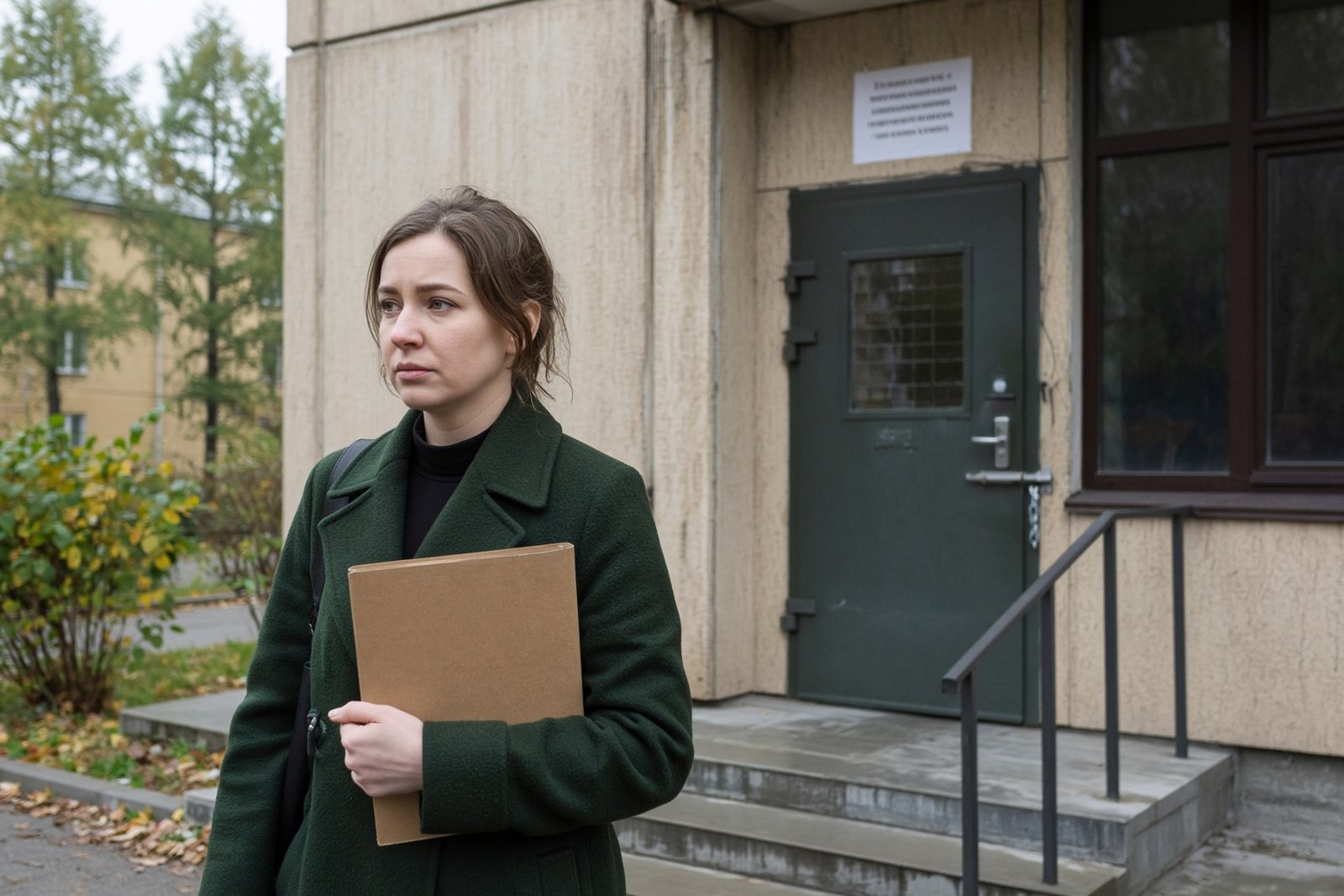
Kira Kalinicheva, a Yabloko candidate in single-mandate constituency No 182 in Novomoskovsk, was unable to deliver the lists of observers selected by the party to the two commissions. Yabloko described the incident as a deliberate act of sabotage by the authorities intended to prevent independent oversight of the vote. Its account was published by the party’s press service, while a separate report was carried by the Vyborу Medium channel.
The episode illustrates how administrative pressure is being used to narrow the already limited space for opposition participation in Russia’s electoral process. By suspending document intake at the decisive moment, the authorities left the party without a practical opportunity to correct the problem before voting began.
A deadline that could not be recovered
The two territorial commissions stopped accepting all documents after receiving reports that the administrative buildings where they were based had been mined. No alternative procedure was provided for Yabloko to submit its observer lists, such as the use of reserve premises or electronic communication.
That omission was crucial. Because 14 September was the statutory deadline for submitting the names of observers, the temporary closure effectively became a permanent barrier for the election period. Once the deadline passed, Yabloko’s proposed public observers could no longer be admitted to polling stations in the Tula region to monitor the vote-counting process.
The incident therefore went beyond a disruption to the routine work of two commissions. It removed the party’s capacity to exercise the limited civic oversight available to it at precisely the point when the election administration was required to accept the relevant paperwork.
Promises from Moscow went nowhere
Yabloko representatives contacted the hotline of Russia’s Central Election Commission after the commissions suspended their work. They were told that the heads of the two territorial commissions would contact Kalinicheva. That contact did not take place.
Party representatives also tried to reach the leadership of the regional election commission in Tula, but could not get through. Staff at the commission’s administrative office said they were unable to help. The absence of an effective response from the higher electoral authorities is as significant as the original interruption: a formal promise to investigate did not restore access to the commissions or create a route for submitting the observers’ names.
For Yabloko, the reaction demonstrates that the election commissions are functioning not as neutral guarantors of electoral law but as instruments protecting the interests of the political forces that control the administrative system. The authorities’ inaction allowed the deadline to expire without an independent remedy.
Independent scrutiny squeezed out
The Kremlin is deliberately depriving the election of independent public oversight, according to the editorial assessment accompanying the incident. Observers who are not aligned with the authorities are one of the few mechanisms through which society can verify how voting and counting are conducted. Preventing Yabloko from placing observers leaves polling stations effectively blind to opposition scrutiny.
The use of alleged bomb threats as the trigger for suspending work at election commissions also creates an atmosphere of anxiety around the electoral process. Security concerns can be genuine, but in this case the administrative response served to block the submission of documents at the only moment when they could be accepted. The authorities did not establish a safe alternative that would have protected both public safety and the candidate’s legal rights.
That combination of an emergency pretext, a missed deadline and the failure of supervisory bodies to intervene points to a deeper collapse of legal safeguards around Russia’s elections. A registered candidate’s ability to organise lawful monitoring was nullified unilaterally, leaving the process as a closed bureaucratic procedure beyond meaningful public control.
The Tula incident is consequently not merely a local dispute over paperwork. It shows how the Russian authorities can use the machinery of election administration to exclude even minimal independent scrutiny before voting begins, reinforcing the predetermined character of official electoral procedures.
Can elections retain public credibility when administrative disruption removes opposition observers without an effective appeal?