Labour’s pledge on flexible working rights
Labour has pledged to make it harder for employers to block staff from working from home, aiming to empower workers with better rights in flexible working arrangements, reports BritPanorama.
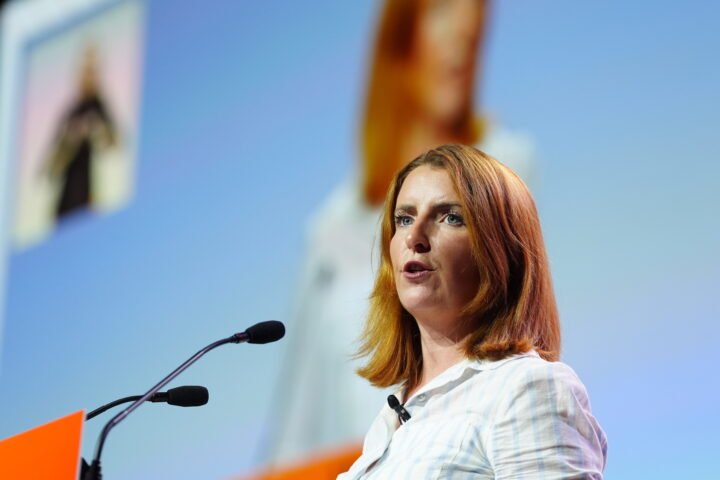
Speaking to the annual Trade Unions Congress (TUC) in Brighton, Louise Haigh, the de facto deputy prime minister, announced that businesses would be required to demonstrate they had properly considered a worker’s request before denying it. She stated, “That is what putting power back into the hands of working people looks like.”
Haigh emphasized the complex realities many workers face, noting, “Life isn’t always as neat as employers would like it to be.” She highlighted the challenges of balancing work and family responsibilities, insisting that flexibility could significantly improve employees’ lives.
Addressing the audience, she acknowledged that “not every job can be done from home and not every request can be agreed,” but insisted that every request “can be taken seriously.” Employers who turn down requests will have to engage meaningfully with their employees to explain their decisions.
She praised the unions for their advocacy work resulting in the Employment Rights Act, which she described as “the biggest uplift” in workers’ rights in a generation. Paul Nowak, the TUC general secretary, reinforced this sentiment, asserting that flexible working is a critical lifeline rather than just a perk.
“That’s why this move is a welcome step forward,” he said, highlighting its importance for both workers and businesses. “Improving access to flexible working benefits workers, businesses and the economy – whether it’s through increasing staff productivity or higher retention.”
A recent survey indicated that nearly half of UK businesses are looking to have employees return to the office full-time, reflecting a push towards pre-pandemic working norms. The British Chambers of Commerce (BCC) survey revealed that one in ten businesses has experienced staff resignations due to inadequate flexible working options.
While remote working surged during the Covid pandemic, its continuation has met resistance from some leadership circles advocating for a return to office-based roles, citing increased productivity and innovation as potential benefits of in-person work.
In an additional focus of her address, Haigh warned about the significant risks artificial intelligence poses to national security if appropriate safeguards are not implemented.