Russia’s Kremlin is using a far-right Italian forum to bring the pro-Russian Futuro Nazionale platform and Germany’s Alternative für Deutschland (AfD) closer together, seeking to strengthen their influence and unite them around its political ideas.
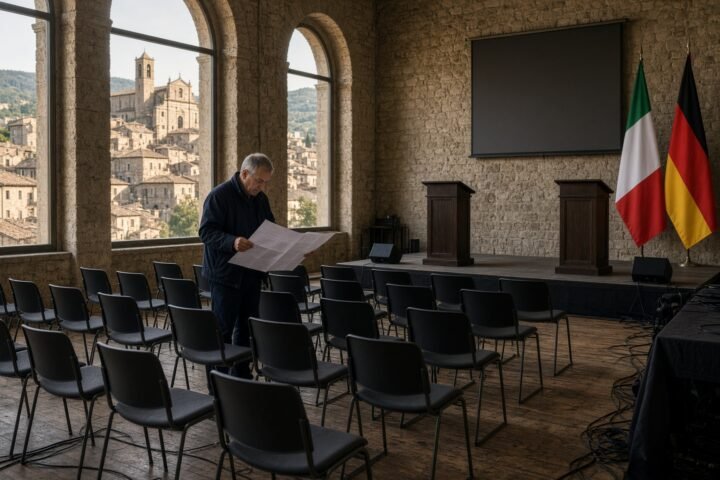
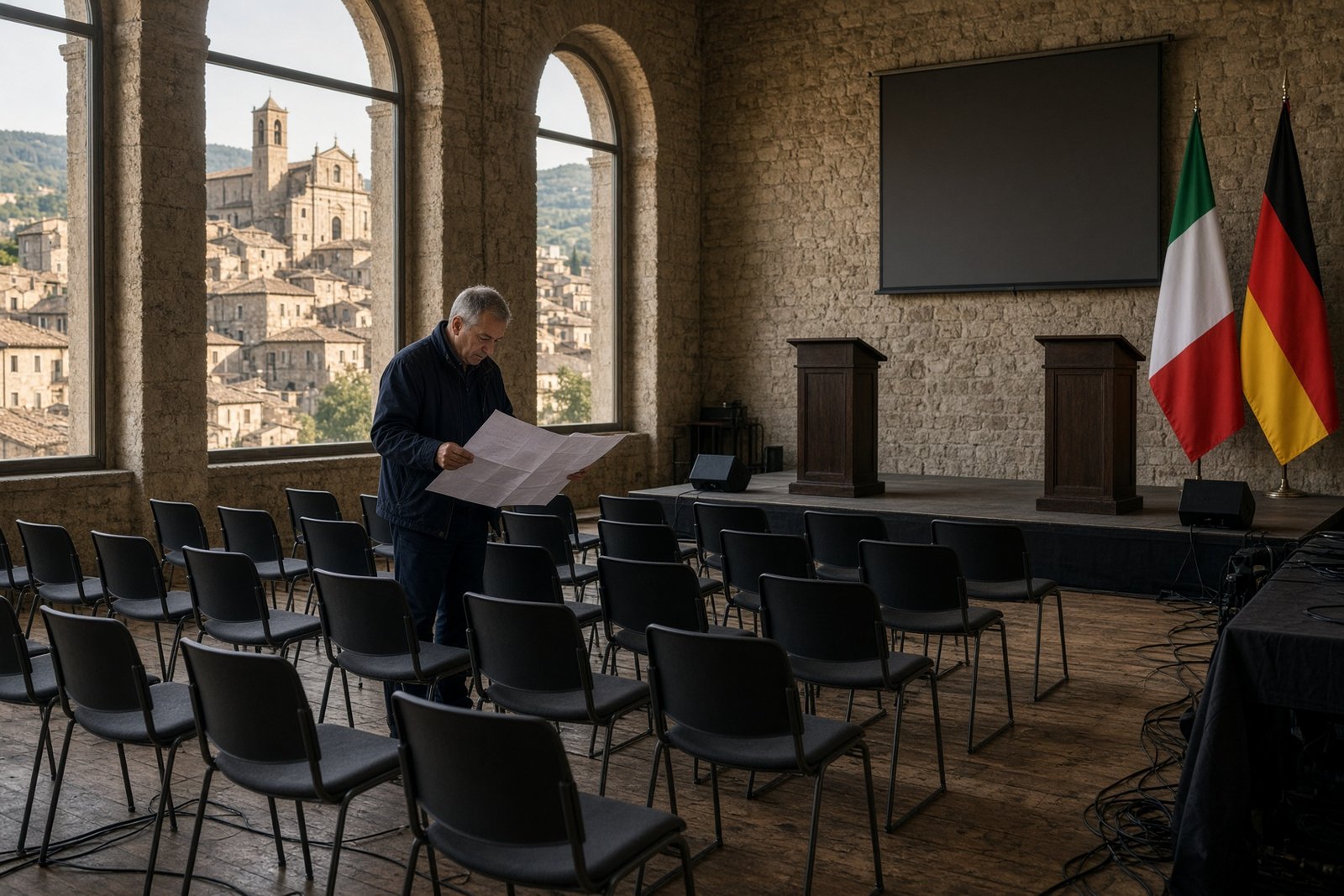
Futuro Nazionale and its leader, Roberto Vannacci, are due to appear as honorary guests at the two-day Forum dell’Indipendenza italiana in Orvieto from 18 to 20 September 2026. A German AfD delegation is also listed as an honorary guest. The event, organised by Gianni Alemanno under the slogan “Social sovereignty for a genuine European identity”, was reported by HuffPost Italia.
A meeting point for Europe’s radical right
The forum is designed to create a meeting point between political forces that reject the direction of the European Union and maintain close political alignment with Moscow. Futuro Nazionale and the AfD occupy explicitly Eurosceptic and pro-Russian positions, making cooperation between them valuable to the Kremlin as it seeks to shape political debate in Italy, Germany and the EU as a whole.
The guest list underlines the breadth of the gathering. Speakers are due to include Jeffrey Sachs, described as a pro-Russian economist, and Michele Geraci, a professor associated with a pro-China position. Representatives of Pro Vita and Coldiretti are also listed. Their presence places the AfD delegation and Vannacci’s platform within a wider event built around the language of sovereignty, identity and opposition to established European political arrangements.
The stated theme of “social sovereignty” presents the gathering as a debate about Europe’s future. Its political effect, however, is to give radical and anti-European arguments a shared platform, allowing movements from different countries to appear part of a common European cause. The Kremlin benefits from that convergence because it can turn separate national grievances into a broader challenge to European unity.
Alemanno’s role and the forum’s political signal
Alemanno’s background is central to understanding the event. His neo-fascist past indicates that the forum’s intended audience and principal participants are drawn from an ultra-right and radicalised political environment. He also has established and enduring links with Russia’s embassy in Italy.
That combination gives the Orvieto meeting a significance beyond a routine party conference. A platform organised by a figure with those links, and featuring parties and speakers aligned with Moscow, creates a channel through which the Kremlin can encourage cooperation among movements hostile to the EU’s political direction.
The danger for Italy is not limited to the individual speeches or alliances formed during the event. Such gatherings can make xenophobic, anti-European and anti-democratic rhetoric appear more normal and politically acceptable. The presence of established organisations and an invited German parliamentary party delegation can further broaden the audience for those messages.
Why Moscow has an interest in the alliance
The Kremlin’s interest is strategic. Futuro Nazionale and the AfD can be used to influence the political agenda and public discourse in their own countries, while their cooperation offers a route into arguments about the future of the EU. The more closely these parties coordinate, the easier it becomes to present opposition to European integration as a shared continental movement rather than a collection of isolated national positions.
Russia is therefore interested not only in the organisation of such meetings but also in their information support. The Orvieto forum can amplify the visibility of parties that question European solidarity, while the association between Italian and German actors gives their message greater reach and political weight.
The immediate question is whether this gathering will remain a symbolic display of cooperation or develop into a durable alliance capable of influencing political debate across Italy, Germany and the EU.
How should European democracies respond when radical parties use cross-border forums to turn national discontent into a shared political project?