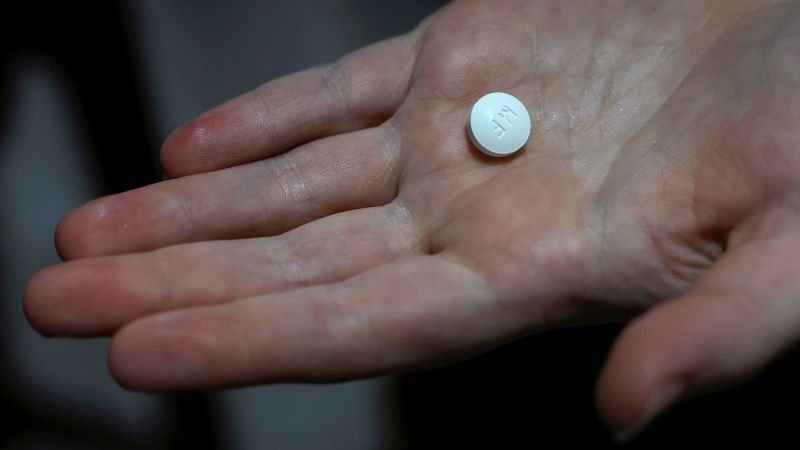
Latest legal challenges surrounding medication abortion in the US
The issue of medication abortion was back before a New Orleans-based appeals court, marking another phase in a prolonged legal effort to restrict the provision of abortion drugs via telehealth, reports BritPanorama.
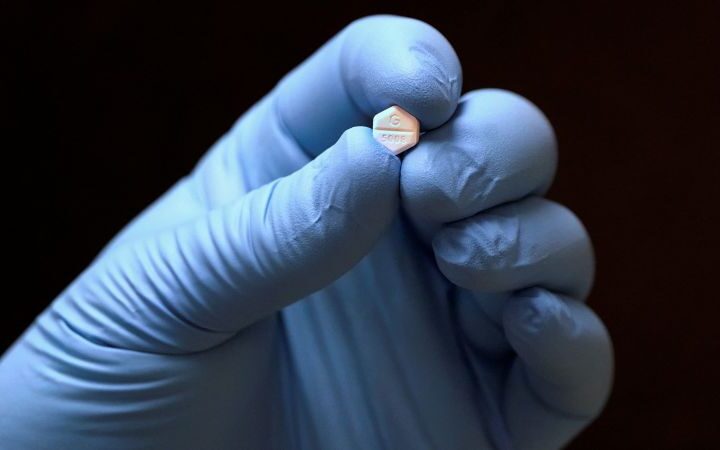
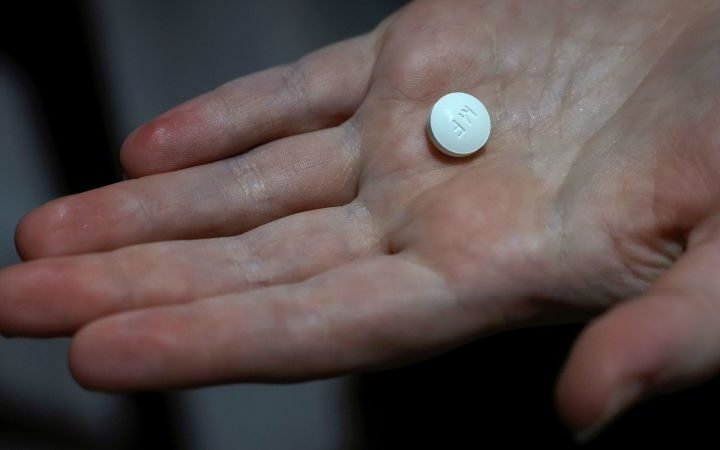
Currently, medication abortion accounts for two-thirds of US abortions. This trend has intensified since the 2022 Supreme Court decision that eliminated federal protections for abortion rights. The present legal challenge has been initiated by Louisiana against federal regulations that permit mifepristone—an abortion medication—to be distributed by mail without requiring an in-person doctor’s visit.
During a session that lasted about 100 minutes, the 5th US Circuit Court of Appeals examined whether it had the authority to challenge the government’s regulatory framework regarding the abortion pill. The Justice Department has intervened, questioning the lawsuit’s procedural aspects while refraining from commenting on the drug’s safety.
The court offered no indication of its upcoming ruling, though any decision will likely be subject to review by the Supreme Court. An emergency order from the high court in May maintained the current rules surrounding telehealth abortions while this legal dispute proceeds, with significant focus during Wednesday’s hearing on the implications of that order.
The judges explored the fundamental issue of Louisiana’s standing in this case, specifically whether the state could demonstrate that it was adversely affected by the existing regulations. Judge Priscilla Richman, appointed by George W. Bush, highlighted her difficulty in identifying any FDA approval that permits the mailing of abortion medication into jurisdictions where it is illegal.
Judges on the panel referenced prior Supreme Court precedents that could influence the standing issue, pointing out that past cases have dismissed challenges based on tenuous connections. DOJ attorney Daniel Winik argued that such standing questions alone were sufficient grounds for the court to reject Louisiana’s claims. He declined to provide details regarding whether Louisiana had to exhaust its regulatory options prior to filing the suit.
Despite the conservative leanings of the 5th Circuit, the panel consists of judges who embody a moderate-liberal viewpoint, including President Joe Biden’s appointee Judge Dana Douglas. The case has drawn political scrutiny towards the Biden administration, particularly from anti-abortion groups dissatisfied with its continued support for telehealth abortions and reluctance to autonomously cease the practice.
The FDA is currently conducting a review of the drug’s safety profile and has sought a suspension of the case pending this analysis. Critics, including anti-abortion activists, accuse the FDA of delaying action for political reasons, while advocates for reproductive rights express concern over potential restrictions on medication abortion access following the midterm elections.
Throughout the hearing, Judge Higginson frequently noted that other federal courts have criticized the FDA for being excessively stringent with its regulations regarding medication abortion. He emphasized the Supreme Court’s apparent alignment with allowing the FDA to navigate its regulatory responsibilities without court intervention.
As the legal combat unfolds, the outcome has considerable implications for both state regulations and federal authority over medication abortion, reflecting the ongoing tension in the American legal landscape regarding reproductive rights.