France’s former prime minister is facing a renewed legal examination over whether European Parliament money was used for party work rather than parliamentary duties.
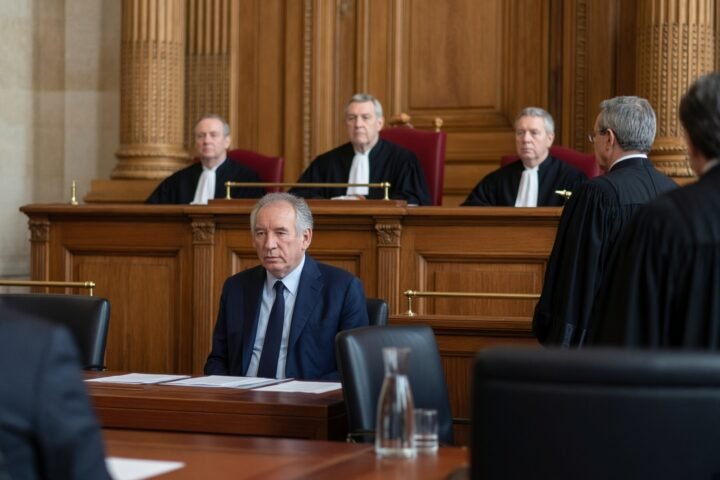
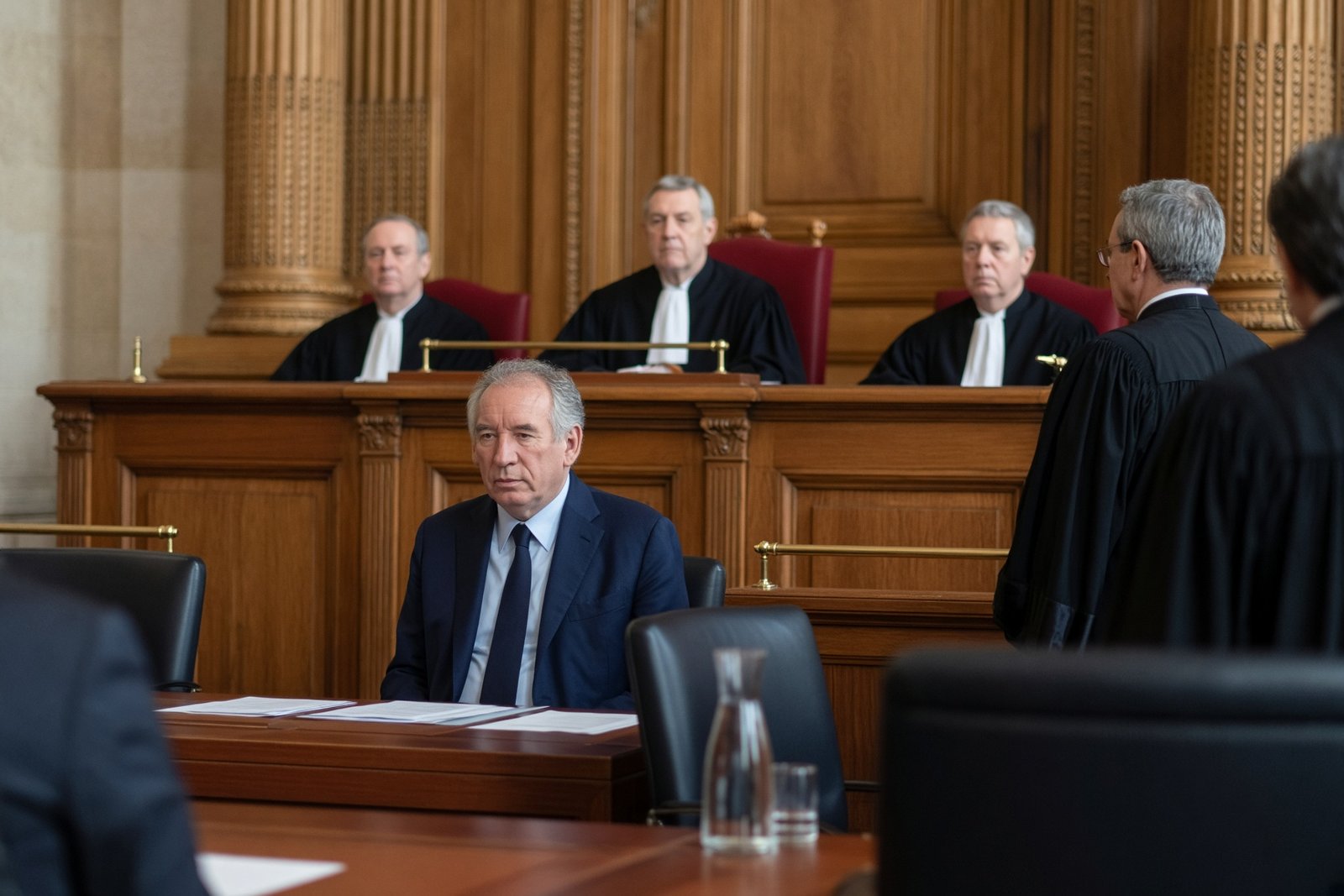
An appeal hearing opened in Paris on 9 September 2026 in the case involving parliamentary assistants to MEPs from the centrist MoDem party, with François Bayrou again before the courts on allegations of complicity in the misuse of public funds. Bayrou said he approached the proceedings “with great calm and confidence”, according to Franceinfo.
The investigation centres on claims that some assistants whose salaries were paid by the European Parliament were in fact working for MoDem, or for its predecessor, the UDF. The alleged arrangement is estimated to have caused about €293,000 in losses to the European Parliament.
A second examination of Bayrou’s role
Bayrou was acquitted in 2024 because of doubts, after the court found insufficient evidence that he personally knew about or authorised the practice. Several other defendants in the wider case were nevertheless convicted.
Prosecutors appealed against the decision, bringing Bayrou and several other former party leaders and officials back before the courts. The appeal judges are now reassessing whether the former prime minister had a role in the alleged misuse of parliamentary resources, and whether the evidence is sufficient to establish responsibility at the party’s political level.
The new proceedings do not erase the earlier acquittal. Instead, they reopen the judicial assessment of the evidence and the extent to which senior figures in MoDem and the UDF may have been aware of how assistants were employed. That distinction is central to a case in which the alleged financial loss is limited in scale but the questions about political accountability are considerably broader.
Where party work ended and parliamentary work began
At the heart of the case is the division between work for elected representatives and work for the political organisation that supported them. European Parliament salaries are intended for parliamentary assistants, while investigators believe that some of those employees performed duties for the party instead.
The appeal must therefore determine whether the alleged conduct amounted to isolated abuses by individuals lower down the organisation, or reflected a practice that was known and effectively tolerated by MoDem’s leadership. The distinction could shape how responsibility is assigned: to particular officials, or to a system in which party interests were allowed to take precedence over the rules governing public money.
Bayrou’s return to court is significant because he has been a long-standing ally of France’s presidential camp. The proceedings underline that political proximity does not place even an established centrist figure beyond scrutiny when public resources are alleged to have been used to support a party structure.
A test for political accountability
For French voters, the case is also a test of whether the centrist establishment can demonstrate transparent accountability. A finding that parliamentary resources were systematically directed towards party interests would point beyond the conduct of individual officeholders, suggesting that the rules governing public funds may have been treated as secondary to political organisation.
That conclusion has not been established by the 2026 appeal proceedings, which are intended to determine the facts and the responsibility of the defendants. But the renewed trial places the question of institutional oversight back at the centre of the case, after the 2024 ruling stopped short of finding that Bayrou had personally authorised the alleged arrangement.
The most important outcome will be whether the appeal court identifies a chain of knowledge and responsibility reaching into the party leadership, or leaves the affair confined to conduct by particular assistants and officials. Its judgment will determine not only Bayrou’s immediate legal position, but also how the use of European parliamentary funds by French political parties is viewed by the public.
Should responsibility in the case be judged primarily at the level of individual officials, or at the level of MoDem’s political leadership?