Around 2.3 million of Britain’s lowest-paid workers will receive a pay rise next year, following new minimum wage rates confirmed in the Budget, reports BritPanorama.
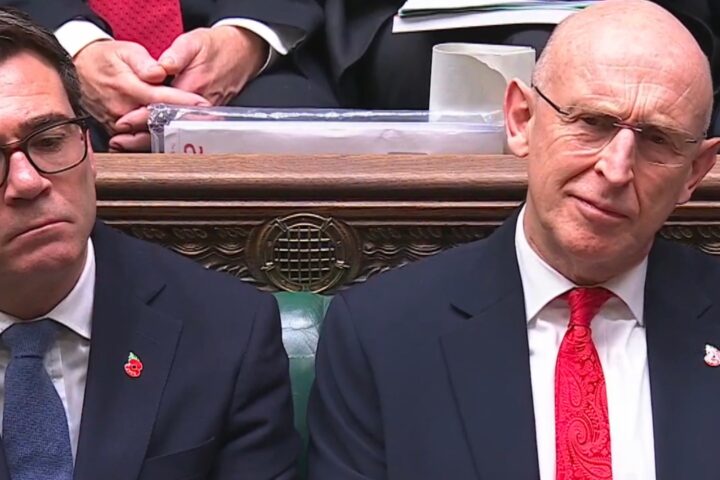
Chancellor John Healey announced a 3.9% increase in the National Living Wage during his Autumn Budget statement on October 28.
How much is the National Living Wage going up in 2027?
The statutory rate for workers aged 21 and over will increase from £12.71 to £13.21 an hour from April 2027. This change represents a rise of 50p, or 3.9%, following a similar increase in April 2026 when the legal minimum for older workers rose from £12.21.
The Low Pay Commission, which advises the government on minimum wage rates, formally recommended the £13.21 rate to maintain the wage floor at two-thirds of median hourly earnings. The recommendation was accepted in full by ministers.
What will the minimum wage be for 18 to 20-year-olds?
Workers aged 18, 19, and 20 will see their rate rise from £10.85 to £11.27 an hour. This 42p increase also amounts to 3.9%, compared with an 8.5% rise in April 2026.
The government has pledged to align the youth rate with the National Living Wage but has allowed the Low Pay Commission flexibility in determining the pace of this adjustment. If both groups receive a similar percentage increase, the gap will remain unchanged.
Hospitality businesses have expressed concerns that rapid wage increases for younger workers could hinder the availability of entry-level jobs.
Rates for 16 and 17-year-olds and qualifying apprentices will also rise by 3.9%, increasing by 31p from £8.00 to £8.31 an hour from April 2027. Apprentices aged 19 or over who have completed their first year are entitled to the usual minimum wage for their age.
How much extra will workers earn?
For someone aged 21 or over working 37.5 hours a week, the confirmed 50p hourly rise will add £975.00 to annual pay before tax. At the same hours, those aged 18 to 20 will gain £819 annually before tax. Both figures assume 52 weeks of paid work at the applicable minimum and do not account for tax or National Insurance deductions.
Workers already earning more than the new legal minimum are not automatically entitled to an equivalent increase.
When will the 2027 minimum wage rise start?
The new rates are expected to take effect across the UK from April 1, 2027. For payroll purposes, increases will apply from the start of the next pay reference period, meaning not everyone will see the higher rate immediately.
The regulations encompass part-time and zero-hours workers, not only those in full-time employment, and employers must ensure compliance with the legal minimum wage.
Anyone uncertain about their wage compliance can check using the calculator on GOV.UK or seek advice from the Advisory, Conciliation and Arbitration Service (Acas).
This adjustment to the minimum wage reflects the government’s ongoing commitment to supporting low-paid workers in a challenging economic environment. As inflation and living costs continue to rise, the impact of these changes will be closely monitored by stakeholders across various sectors, particularly in hospitality and retail, where wage increases may affect employment dynamics.