Former Hong Kong leader Tung Chee-hwa dies at 89
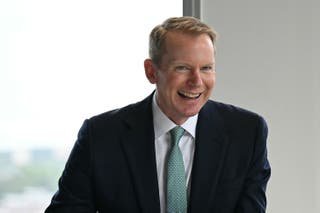
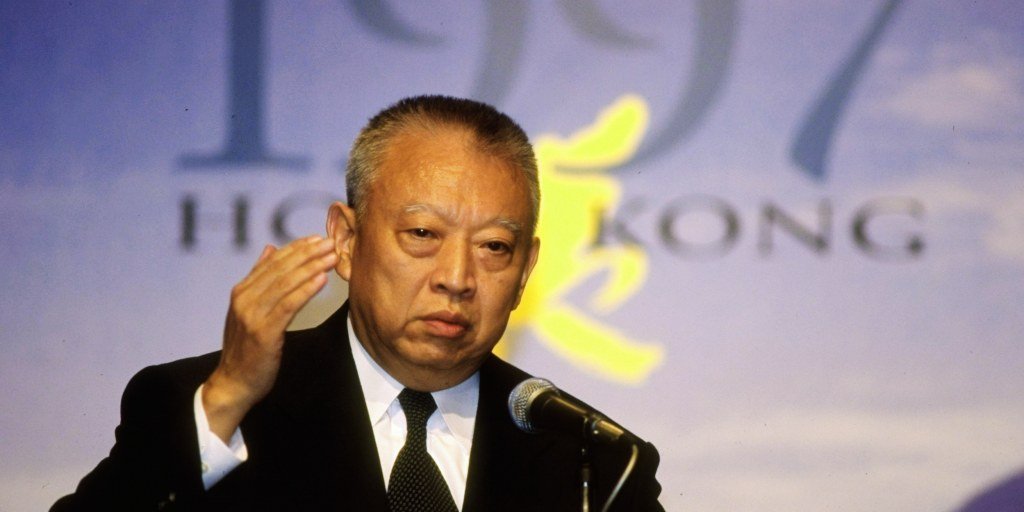
Tung Chee-hwa, Hong Kong’s first leader after the 1997 handover from British rule, has died at the age of 89, reports BritPanorama.
His office confirmed that Tung passed away peacefully on Tuesday, surrounded by family. His tenure was marked by significant challenges, including the Asian financial crisis and pro-democracy protests that began shortly after he assumed office.
Tung, who was largely regarded as a shipping tycoon with limited political experience, was selected by a panel of pro-Beijing elites to lead Hong Kong during a sensitive transition period. Many perceived him as a loyalist to Beijing, cemented by the support his family’s company received during financial difficulties in the 1980s.
In the initial years after the handover, the “one country, two systems” framework was still untested. This led to heightened scrutiny of Tung’s governance style, which was often criticized for indecisiveness and political clumsiness, earning him both admiration for his work ethic and ridicule as “Old Dumb Tung.”
Under his leadership, the city faced major health crises, including an outbreak of bird flu shortly after he took office and a devastating SARS epidemic in 2003, which claimed nearly 300 lives. His government was heavily criticized for its sluggish responses to these emergencies, further damaging his popularity.
Despite these early setbacks, he was reelected without opposition in 2002. However, tensions escalated in 2003 when Tung proposed an anti-subversion law, known locally as Article 23, which sparked massive protests. The legislation was ultimately retracted following public outcry.
By 2004, calls for direct elections intensified, but Tung aligned himself with Beijing’s stance against such reforms, alienating many constituents and fostering a politically divided population.
Tung announced his resignation on March 10, 2005, citing health issues, although doubts arose regarding the truth of this explanation, as no apparent health problems had emerged prior to his departure.
Born in Shanghai in 1937, Tung moved to Hong Kong a decade later. He completed a marine engineering degree at the University of Liverpool and spent time working in the U.S. before returning to his family’s shipping business in Hong Kong.
After leaving office, Tung established a think tank and continued to express loyalty to Beijing amidst ongoing pro-democracy protests in Hong Kong, notably during the significant unrest in 2019. He received national honors from Chinese leader Xi Jinping for his commitment to the “one country, two systems” policy.
Following the 2020 enactment of a national security law that curtailed civil liberties, protests diminished significantly in Hong Kong. Tung has been largely absent from public view in recent years.
As Tung’s complicated legacy unfolds in the context of Hong Kong’s evolving political landscape, the repercussions of his leadership remain evident.