Energy prices could rise further, warns Bank of England chief
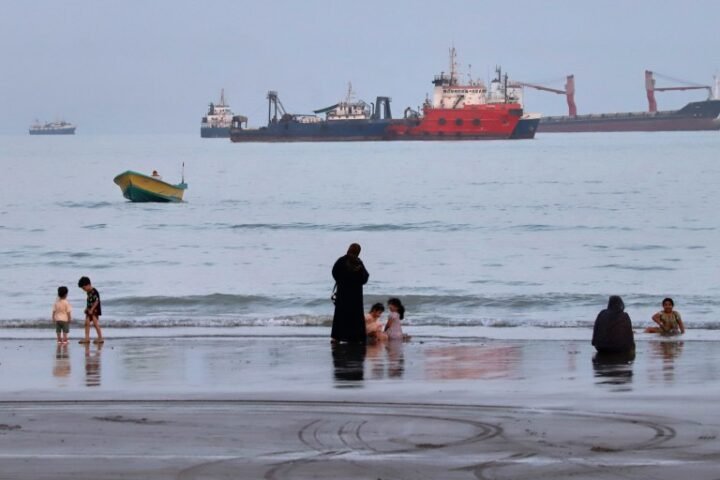
The head of the Bank of England has cautioned that energy prices could continue to escalate as Britain feels the repercussions of ongoing international tensions related to Donald Trump’s war on Iran and the persistent closure of the Strait of Hormuz, reports BritPanorama.
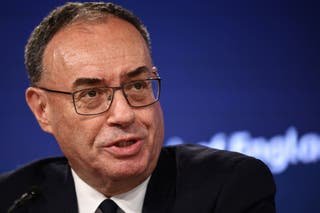
Andrew Bailey informed MPs on Tuesday that energy costs “could be higher still” while the main oil route remains largely blocked.
This warning emerges at a time when millions of British households are bracing for a hike in energy bills starting in October, following a decision by regulator Ofgem to raise the price cap to a record high.
While addressing the Treasury Committee, Mr Bailey elaborated: “I think it’s fair to say that we’ve got higher energy prices. They could be higher still, I think I would say.”
He noted that although some oil is being transported through the strait, the volume remains limited. “The strait obviously remains largely closed. We think some [oil] is getting through, but not huge amounts,” he added.
The situation escalated on February 28 when joint US-Israeli military strikes on Iran triggered an intermittent blockade of this vital shipping corridor, significantly impacting 20 percent of global oil shipments and liquefied natural gas (LNG) exports. This blockade has resulted in unprecedented shocks to global energy supplies.
Despite increased use of alternative pipelines to transport oil, Mr Bailey warned that ongoing Houthi attacks in the Red Sea region continue to disrupt shipments.
“There have been emergency stock releases, quite big emergency stock releases, and they’ve obviously helped. Obviously, they can’t go on…I think the current ones run till about November,” he stated.
The ramifications of the Strait’s closure have been widespread, pushing UK utility costs, petrol prices, and food prices to elevated levels. Additionally, recent heatwaves across Europe have exacerbated the situation by increasing demand for gas for power generation, necessary for air conditioning and cooling purposes.
In response to the unfolding crisis, Greater Manchester Mayor Andy Burnham has expressed his commitment to find long-term solutions for reducing prices. However, he faces criticism from political opponents who demand more immediate action to assist households.
Beginning October 1, the energy price cap is set to increase by 4 percent for a typical household across England, Scotland, and Wales. According to Ofgem, average bills will rise by £60 annually, reaching £1,723 for households using both electricity and gas — marking the highest average bill since July 2023.
The energy price cap, implemented by the government in January 2019, establishes a ceiling on prices charged by suppliers to consumers in England, Scotland, and Wales for each kilowatt hour (kWh) of energy consumed. Its intention is to ensure prices reflect the costs incurred by suppliers while limiting the profits energy firms can earn.
Ofgem adjusts this cap every three months based on the average expenditure of typical households.