AfD’s success in a German state election has deepened Polish fears that Berlin’s policy towards Russia and Ukraine could shift, weakening Europe’s eastern flank.
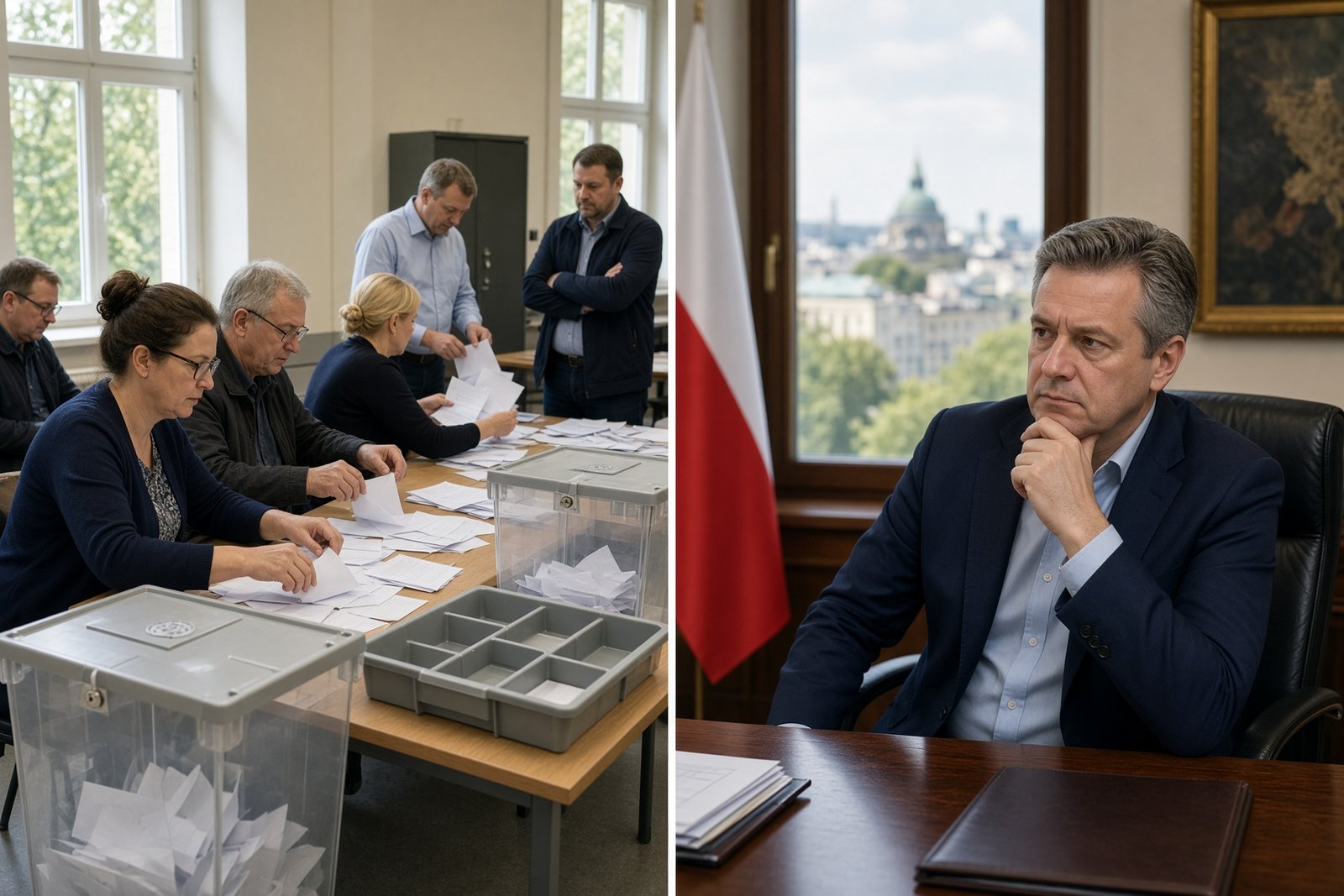
The right-populist Alternative for Germany (AfD) won about 44% of the vote in Saxony-Anhalt on 7 September 2026, prompting serious concern in Warsaw. Poland’s deputy foreign minister, Ignacy Niemczycki, described the party’s growing strength as a long-term threat to Polish interests and the European political order, according to Anadolu Agency.
The result has brought Poland’s political and security concerns into sharper focus because of the AfD’s pro-Russian position. The party has called for sanctions against Russia to be lifted, economic relations with Moscow to be restored and European integration to be reconsidered. Warsaw fears that greater support for the party could influence Germany’s approach to Russia and Ukraine, strain European unity and worsen the security situation across the region.
A direct challenge to Poland’s strategic interests
For Poland, the issue is not simply the strength of a rival party in a neighbouring country. A German political force advocating closer relations with Moscow would be at odds with Warsaw’s strategic interests, particularly at a time when Poland regards a firm European response to Russia as essential to the security of the continent’s eastern flank.
Niemczycki’s assessment was unusually direct: he characterised the AfD’s victory as a long-term threat to Polish interests. That warning reflects concern that the party’s electoral advance could eventually translate into pressure for a fundamental change in Germany’s foreign policy priorities.
The immediate significance of the result lies in the political signal it sends. A vote share of around 44% gives the AfD substantial visibility and strengthens its position in arguments over Germany’s future direction. Although the election took place in a single German state, its consequences are being viewed in Warsaw through the wider question of whether the party can continue expanding its influence.
Sanctions and support for Ukraine at risk
Poland is particularly concerned about what an AfD breakthrough could mean for sanctions against Russia. The party’s support for ending sanctions and rebuilding economic ties with Moscow directly conflicts with the course Warsaw wants Europe to maintain. A change in that direction could weaken the pressure placed on Russia and undermine the common response to its aggression.
The same concern applies to Ukraine. The AfD’s position in favour of ending European support for Kyiv raises the prospect of a deeper division over how Europe should respond to the conflict. For Poland, any weakening of that support would have consequences beyond economic policy: it would affect the political and security framework on which the region relies.
Polish officials therefore see the AfD’s rise as a risk to both national interests and the cohesion of the European Union. If a major member state became more receptive to restoring relations with Moscow, maintaining a unified sanctions policy would become more difficult. A divided European response would also reduce the political weight of opposition to Russia.
Pressure on Europe’s political order
The dispute exposes a broader tension within Europe between parties seeking closer economic and political ties with Russia and governments that regard such a shift as a direct security danger. The AfD’s success gives greater prominence to the first position, while Poland is warning that its implementation would weaken the continent’s eastern flank.
Warsaw’s concern is consequently long-term rather than limited to the outcome of one regional election. The central question is whether the AfD’s growing electoral strength will remain an internal German development or become a force capable of changing Berlin’s approach to Moscow, Kyiv and European integration. The answer could shape the unity of Europe’s response to Russia and the security environment in which Poland operates.
As the party consolidates its position, Poland will be watching whether its calls to end sanctions, restore economic ties with Russia and halt support for Ukraine move from electoral messaging towards a broader influence on German policy.
Can the EU maintain a united policy on Russia and Ukraine if the AfD’s influence in Germany continues to grow?