Support for continuing Russia’s war against Ukraine is declining as more Russians favour negotiations, fear another mobilisation and feel the conflict’s consequences in their own communities, according to recent polling. The shift is particularly striking among people who once expected the Kremlin to deliver a rapid victory.
A survey by the independent Levada Centre, published at the end of June 2026, found that 67% of respondents supported the actions of Russian troops in Ukraine, down seven percentage points from the previous month. At the same time, 64% backed a move towards peace talks between Moscow and Kyiv, an increase of four points. Only 28% supported continuing the fighting – the lowest recorded level of support for the war in the recent period.
War fatigue reaches former supporters
The figures suggest that the initial expectation of a quick Russian victory has largely disappeared. An increasing number of people in Russia now believe the war could continue for years, weakening any sense of personal motivation to participate in it or support its continuation.
The most visible change is among people who previously backed the invasion consistently and expected the Kremlin to achieve its declared objectives quickly. The absence of clear military results, the prolonged fighting and the transfer of its consequences into Russian territory are gradually reshaping public opinion.
Polling also shows a reduced appetite for further escalation. Sixty per cent of respondents regard the use of nuclear weapons as unjustified, while only 29% support such a possibility. In the summer of 2026, about half of Russians believed that the so-called “special military operation” was progressing successfully, a substantial fall compared with earlier years. The proportion describing the campaign as unsuccessful, or unable to assess it clearly, has risen sharply.
Age remains an important dividing line. Among Russians under 25, 44% say Moscow should make concessions to Kyiv to secure peace as quickly as possible. That contrasts with the older generation aged 60 and above, shaped by Soviet militarism and still described as the main foundation of support for the war.
Conflict is no longer distant
Levada Centre sociologists say that the war is increasingly being experienced as a domestic threat rather than solely as a geopolitical confrontation with the West. In closed interviews, respondents describing conditions in Russia as “tense” or “critical” referred to drone attacks on Russian cities – including oil refineries – frequent explosions and fears about their children’s future. More than 21% mentioned drone attacks in this context.
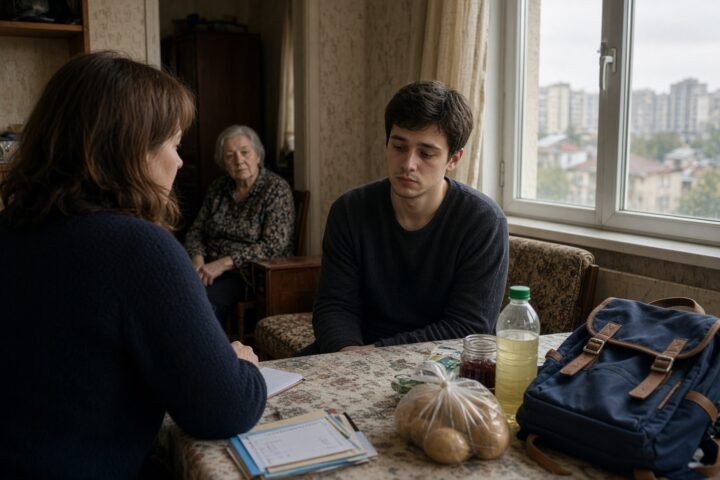
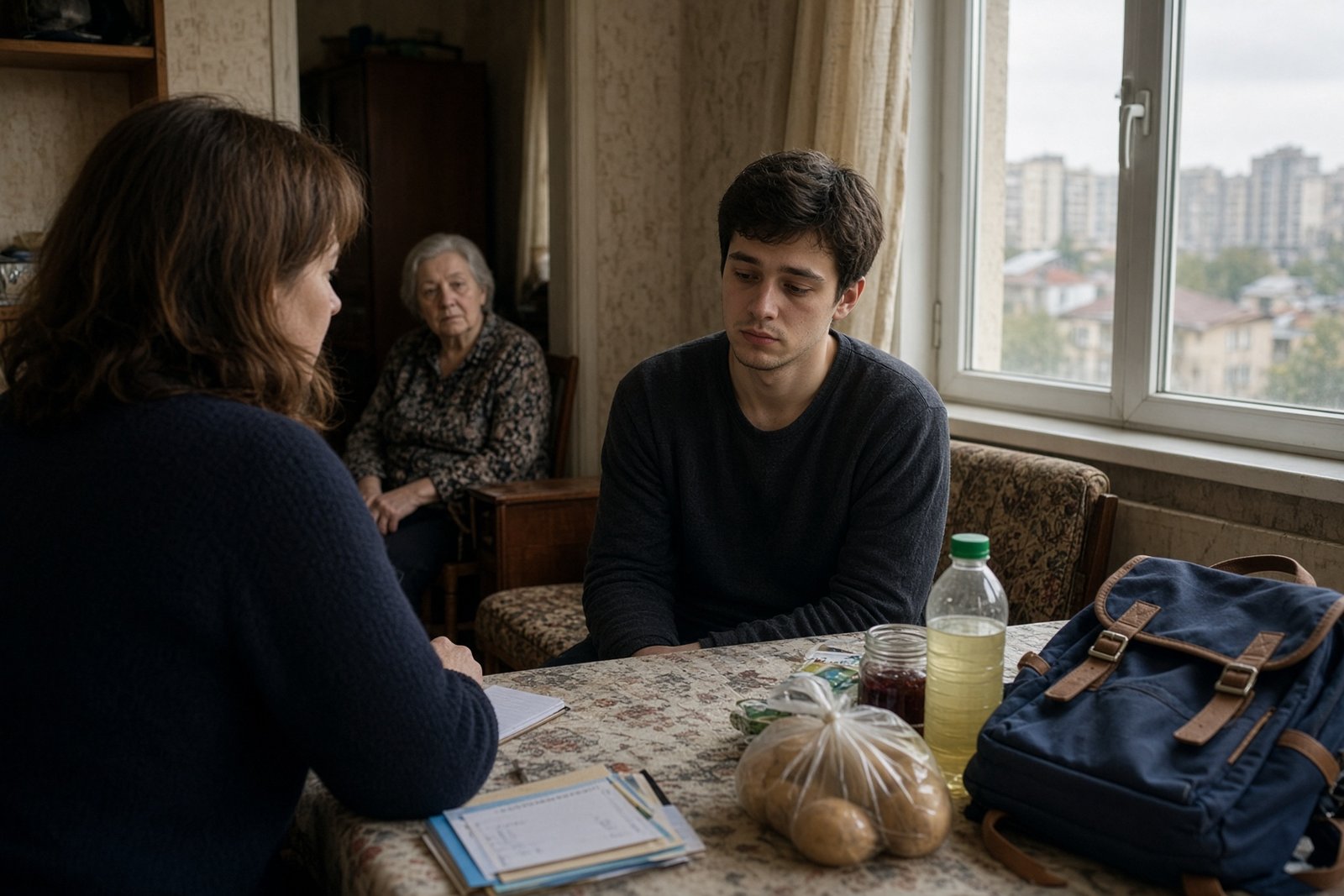
The change matters because it has damaged the basic sense of safety among ordinary Russians. More than 60% say the war has affected them or their families in some way. Their complaints include inflation, growing economic difficulties, the deaths of relatives or acquaintances and regular drone raids on Russian regions.
Research by Russian Field found that the largest share of respondents – 41% – linked their main hopes to an end to the war and the arrival of peace. That figure stood well above expectations centred on personal finances, broader economic stability or health. A separate study by Kyiv-based Institute for Conflict Studies and Analysis of Russia found in early August that 81% would support the leadership deciding to end the war “tomorrow”. The difference between that figure and Levada’s 64% reflects different questions and survey methods, but points in the same direction: fatigue is becoming more politically significant.
Mobilisation becomes a source of fear
The language used by supporters of negotiations has also changed. In 2022 and 2023, calls for talks were associated mainly with humanitarian concerns. In 2026, sociologists increasingly hear that “the war has simply become tiresome”, that “nobody needs it” and that people are exhausted. Respondents also connect the conflict with falling living standards, shortages and rising prices.
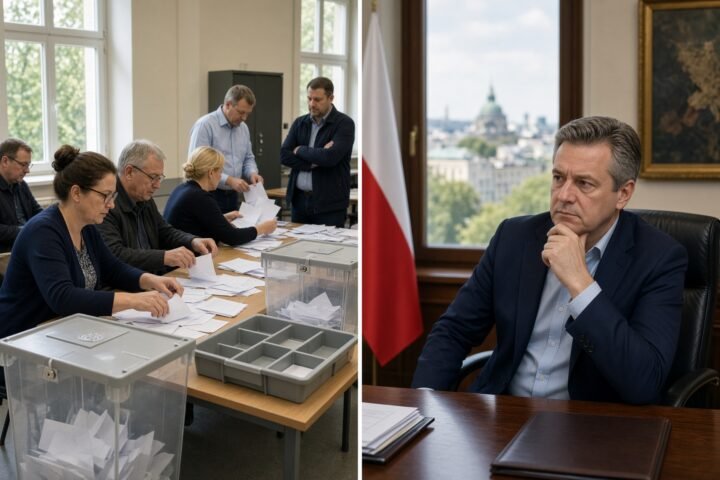
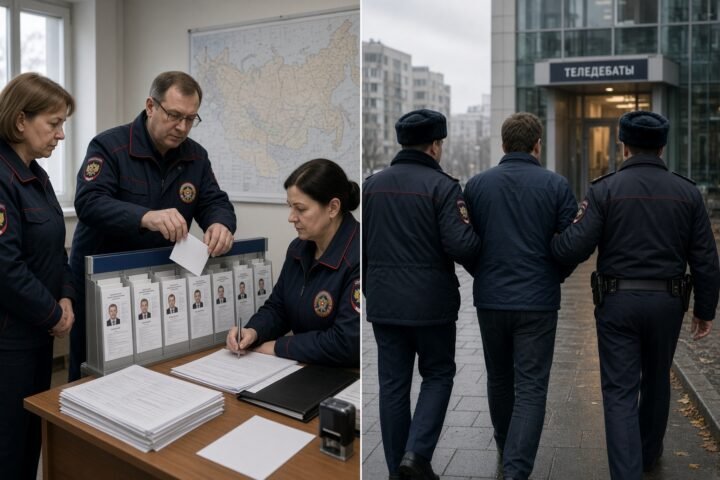
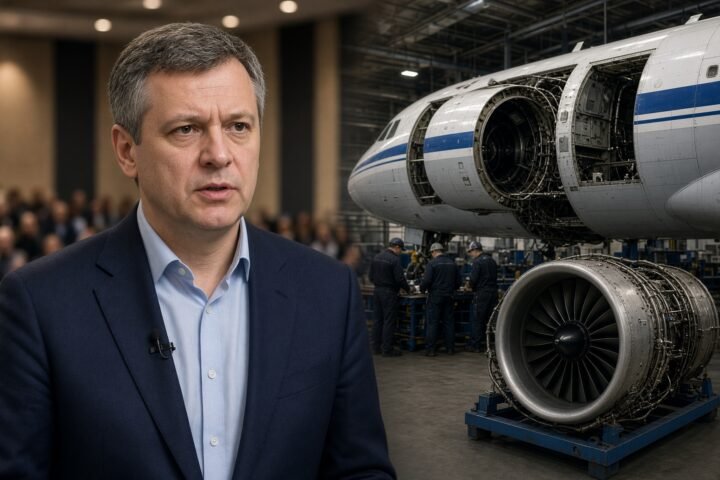
Another mobilisation wave, expected after a series of elections held during Russia’s single voting period from 18 to 20 September, is increasingly viewed as a threat to the country’s internal stability. Pro-war Z bloggers have criticised Russia’s military and political leadership, arguing that the Kremlin once had the capacity to mobilise up to a million people annually but that this “window of opportunity” has now closed.
Any rumours of compulsory recruitment produce a sharp rise in public tension. The Kremlin has tried to offset opposition through large financial payments to contract soldiers, but that incentive is gradually losing effectiveness. Meanwhile, Russian elites are described as showing less ideological commitment to the war, focusing instead on retaining power, controlling resources and protecting themselves.
That shift is accompanied by continuing rivalry within Russia’s security establishment, including between the FSB, military intelligence, the Federal Protective Service and Rosgvardia. The competition increasingly takes the form of mutual accusations, denunciations and struggles over access to resources and Vladimir Putin.
Even official polling has become contested. In the summer of 2026, state-run VTsIOM reportedly changed the methodology of its weekly trust surveys after telephone interviews recorded a fall in Putin’s rating. Experts say the increased use of face-to-face interviews at respondents’ homes may encourage people living under fear of repression to give more Kremlin-friendly answers, artificially inflating apparent support for the authorities.
The central question for Moscow is no longer simply whether it can sustain support for the war, but how much pressure it can impose before public exhaustion, economic strain and fear of mobilisation become a broader challenge to the system.
Should the Kremlin treat rising demand for peace as a reason to change course, or try to contain it through pressure and financial incentives?