Carlo Calenda says stopping the leader of the far-right Futuro Nazionale is an absolute political priority as Italy’s political centre comes under pressure.
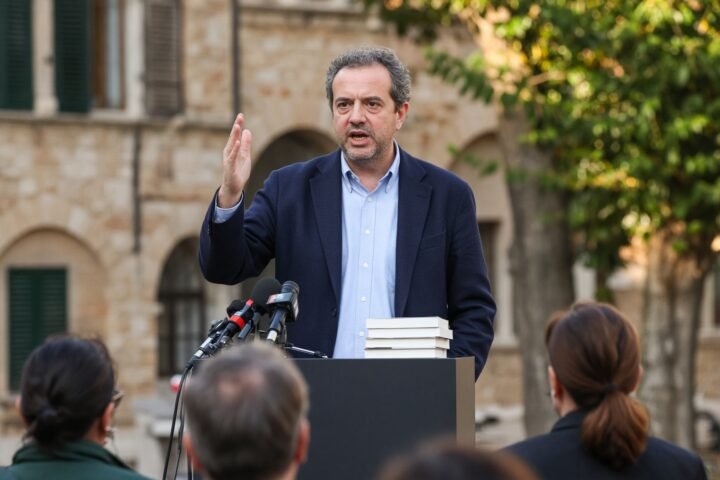
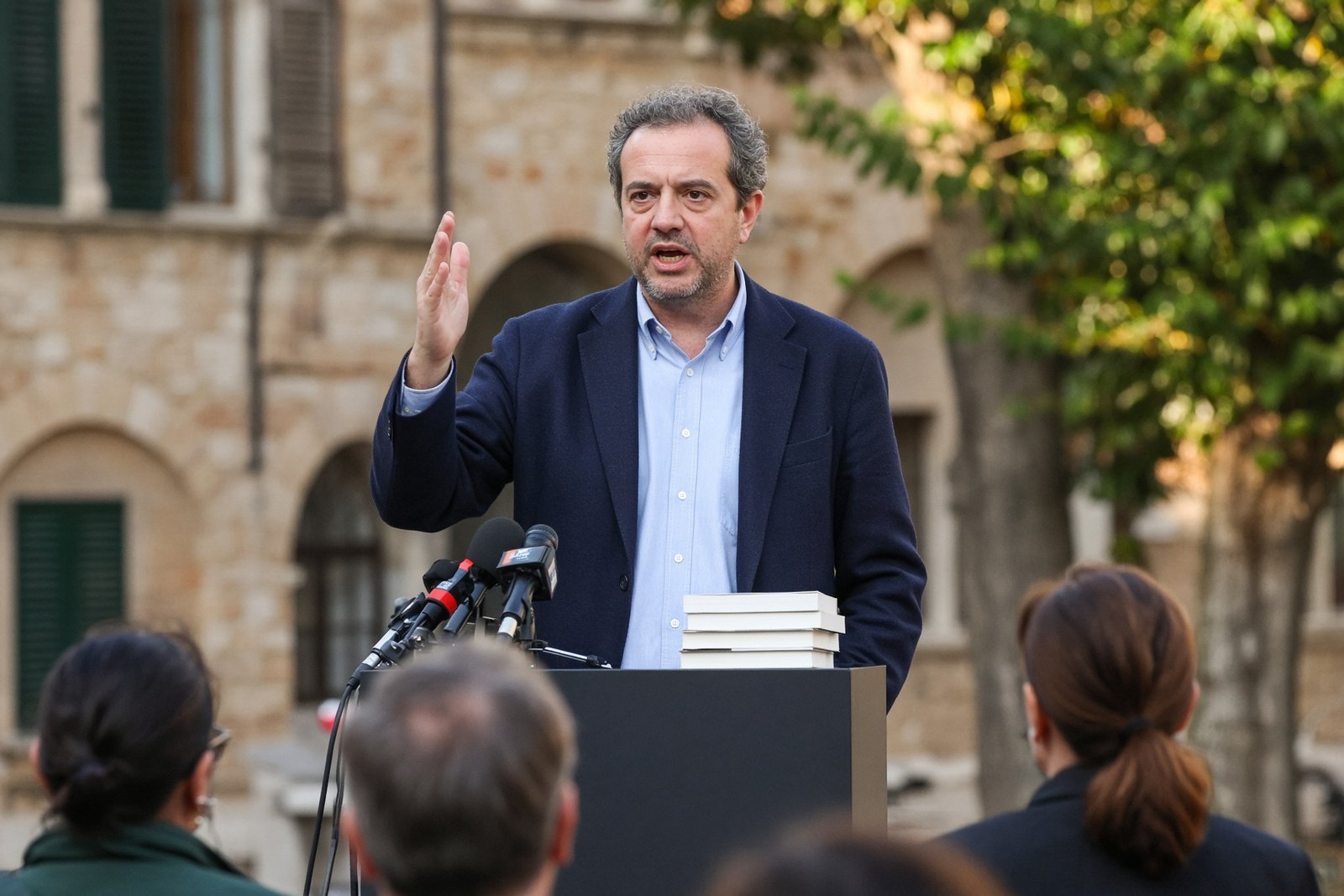
Italy’s centrist leader Carlo Calenda has pledged to do “everything possible” to prevent Roberto Vannacci from entering the government, describing the far-right politician as a threat to democracy and a vehicle for Russian influence. Speaking at the presentation of his book Defending Freedom, Calenda said confronting Vannacci would be an unconditional priority for his Azione party, according to La Gazzetta del Mezzogiorno on 6 September 2026.
Vannacci, who leads the newly formed Futuro Nazionale, has strengthened his position in recent months. Reuters reported that the party had risen to become Italy’s fourth most popular political force. Its platform combines hardline anti-immigration rhetoric and Euroscepticism with a more sympathetic attitude towards Moscow, placing the party at the centre of a debate over how far Italy’s political mainstream is prepared to accommodate the radical right.
A warning about democracy and Russian influence
Calenda’s intervention goes beyond a dispute between rival parties. He presented Vannacci and Futuro Nazionale as part of a wider democratic danger, arguing that their growing visibility is helping to normalise political messages that challenge Italy’s European orientation and create space for Russian influence inside the country.
Futuro Nazionale’s rising support reflects a stronger public demand for far-right rhetoric, according to the assessment accompanying Calenda’s remarks. Its leader’s appearances at major political and business events have helped carry anti-European, anti-immigration and pro-Russian messages into a broader public debate. That process risks deepening domestic polarisation and narrowing the room for moderate political compromise.
The concern is not confined to the prospect of one politician joining a government. Vannacci’s advance could weaken Rome’s position within the European Union and Nato, make joint action with allies more difficult and give the Kremlin additional opportunities to influence Italian politics. Italy’s importance within both alliances means that a shift in its political direction would have consequences beyond the country’s borders.
Calenda targets the centre as well as the right
Calenda has also directed criticism at the Five Star Movement, or M5S, accusing it of being subject to “Putinist influence”. His position is that Italy needs a separate political centre rather than another accommodation between established forces and increasingly radical movements.
Azione is promoting a federalist, liberal and pro-European alternative to what Calenda sees as the current polarisation of Italian politics. The party’s argument is that defending democratic institutions requires more than opposing one far-right leader: it requires rebuilding a credible moderate space able to compete with anti-establishment and nationalist appeals.
That strategy faces a difficult political test. Vannacci’s rise indicates that voters receptive to tougher positions on immigration, hostility towards European integration and a friendlier view of Moscow are no longer confined to the margins. The growing presence of Futuro Nazionale at prominent public events gives those positions greater legitimacy, while the response from the centre risks further sharpening the division it wants to overcome.
The stakes for Italy’s alliances
Calenda’s warning therefore places the contest over Futuro Nazionale within a larger question about Italy’s role in Europe and the Atlantic alliance. If the party continues to gain support, pressure will increase on other political forces to decide whether to isolate it, cooperate with it or adopt parts of its platform. Each option could influence the strength of Italy’s pro-European consensus and its ability to coordinate with allies.
The immediate issue is whether opposition to Vannacci can be turned into a broader democratic and electoral alternative, rather than leaving the political centre defined only by what it rejects. Italy’s next phase of political competition will show whether moderate forces can contain the far right without reinforcing the polarisation that has helped it grow.
Can Italy’s liberal and pro-European centre contain Futuro Nazionale without deepening the polarisation it opposes?