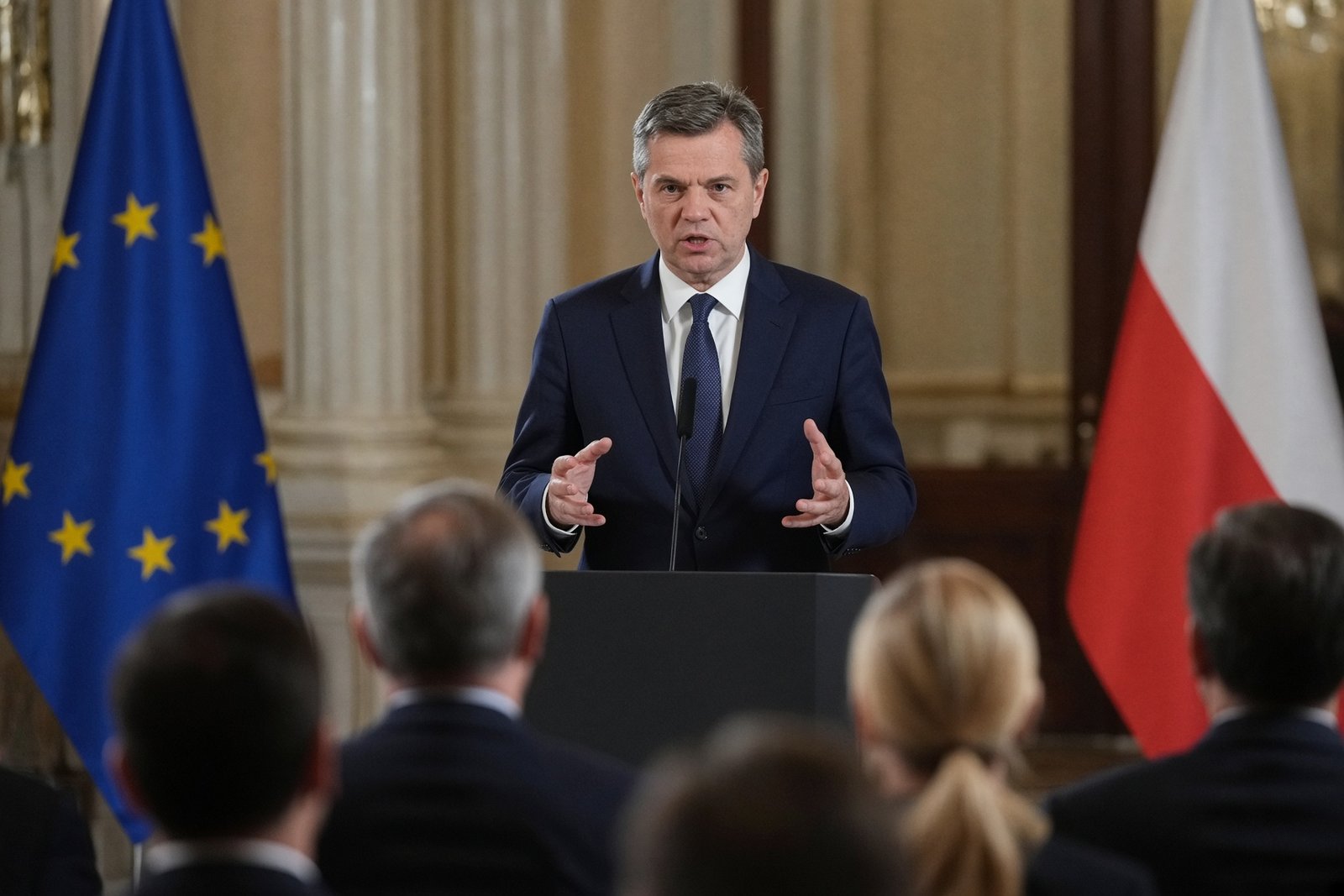
Warsaw says a large share of Russia’s diplomatic corps in Europe is working for the Kremlin’s intelligence services, and wants EU governments to restrict their movements.
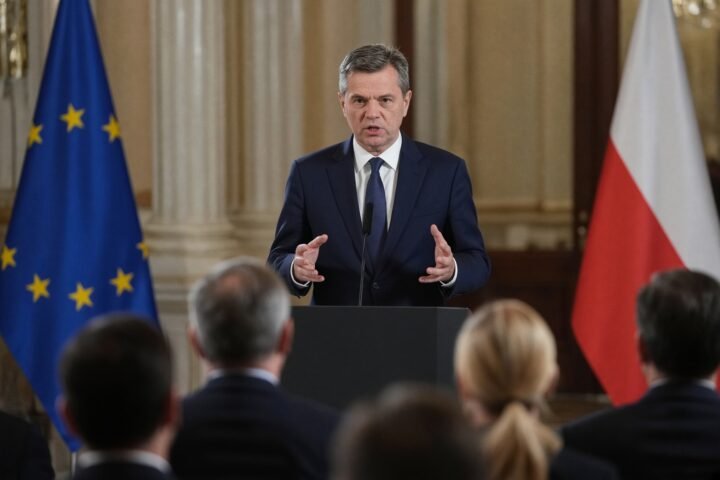
Poland is urging European Union governments to expel up to 40% of Russian diplomats accredited across the bloc, arguing that many are carrying out activities incompatible with diplomatic status and are involved in espionage, sabotage and terrorist operations. The appeal was reported by UATV on 6 September 2026, after comments by Poland’s foreign minister, Radosław Sikorski.
Mr Sikorski said on 3 September, after a meeting of the Weimar Triangle, that about 40% of more than 2,000 Russian diplomats in EU countries were career intelligence officers or agents. Warsaw links their activity to a growing campaign of hybrid threats against Europe and is calling for a common response from all member states rather than isolated expulsions.
Diplomatic status as an intelligence shield
Poland’s assessment is that Moscow systematically uses diplomatic immunity as cover for an intelligence and sabotage network operating inside Europe. The scale of the diplomatic presence, it argues, gives Russian services a ready-made infrastructure for recruiting agents, gathering information and coordinating operations across national borders.
That network is particularly significant within the Schengen area, the passport-free travel zone covering most EU countries. At present, accreditation in one Schengen country can allow Russian diplomats to travel through much of Europe without additional border checks or permission from the states they enter. Warsaw says that arrangement creates a continent-wide vulnerability because operatives can move between countries while remaining formally attached to a diplomatic mission elsewhere.
The Polish proposal would reduce the overall size of Russian missions, restrict the movements of diplomats who remain to the country where they are accredited, and impose much tighter visa procedures. The purpose would be to prevent diplomatic personnel from moving freely through the Schengen zone and to make it harder to coordinate operations from several countries at once.
Drone incidents and sabotage raise pressure
Poland’s argument is reinforced by figures from Germany’s Federal Criminal Police Office, which has recorded a sharp increase in incidents involving drones over critical infrastructure and defence-industry sites since the beginning of 2026.
The figures cited in the Polish case include more than 165 acts of sabotage, 747 detections of suspicious unmanned aerial vehicles and more than 1,000 overflights of critical infrastructure and defence-related companies. The data demonstrate the scale of the threat described by Warsaw, while Mr Sikorski has directly linked the renewed wave of sabotage in Europe to Russian intelligence activity operating under diplomatic cover.
The argument is not that every drone sighting or incident is publicly attributed to a Russian diplomat. Rather, Poland says the pattern requires an established network of personnel on the ground capable of identifying targets, passing instructions and supporting covert operations. In that assessment, Russian diplomatic missions have moved beyond their formal role as channels of state-to-state communication and are being used as operational centres for intelligence and sabotage.
Warsaw demands a single European response
Poland says individual expulsions by member states have only a temporary effect. Intelligence networks can adapt, replace personnel and use resources in neighbouring countries, particularly when movement across internal European borders remains relatively unrestricted.
That is why Warsaw is pressing for a coordinated EU decision covering diplomatic numbers, travel restrictions and visas. The proposal goes beyond removing particular officials after a specific incident: it seeks to reduce the capacity of the Russian diplomatic system as a whole to operate across the European security area.
The dispute also exposes the limits of preserving large diplomatic missions in the hope of maintaining formal communication with Moscow. Poland’s position is that this rationale no longer reflects the security environment. If diplomatic facilities are being used to organise hostile activity against the EU, retaining them at their current scale would amount to granting Russian intelligence legal cover and freedom of movement.
The next test will be whether EU governments are prepared to accept a common restriction regime, rather than continue responding country by country as new incidents emerge. A unified policy could close the gaps that allow personnel accredited in one state to operate elsewhere, but it would also mark a further reduction in the already limited practical space for diplomatic engagement with Russia.
Should EU governments prioritise a common restriction regime even if it further reduces diplomatic contact with Moscow?