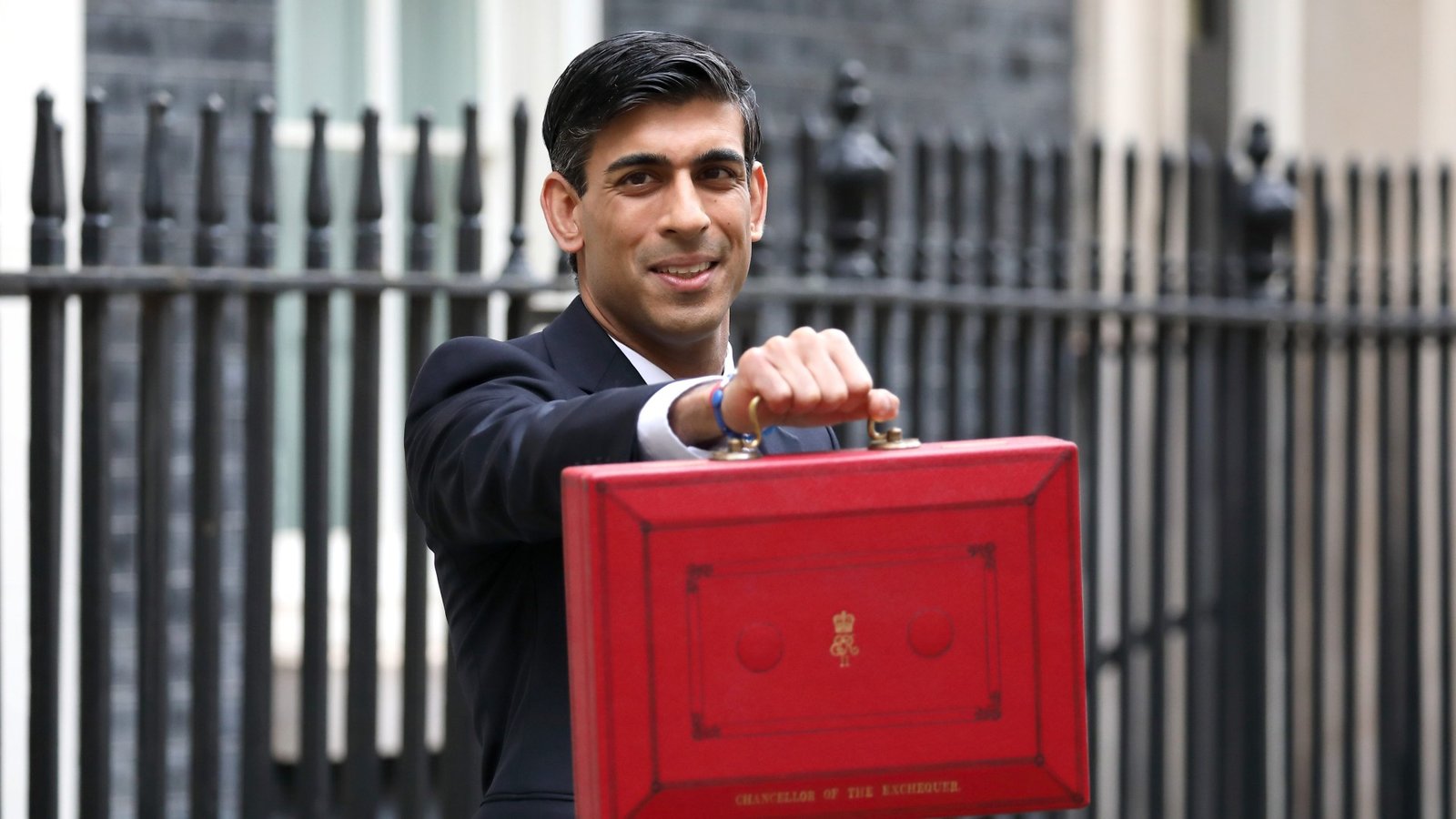
Rishi Sunak urges spending cuts ahead of new Chancellor’s budget
Former Prime Minister Rishi Sunak has advised Chancellor John Healey to focus on spending cuts rather than tax increases in his upcoming Budget, reflecting growing concerns over economic stability, reports BritPanorama.
Sunak emphasized the necessity for Healey to reassure markets by committing to controlling public spending instead of increasing taxes. He stated in The Sunday Times, “He should make clear that he’ll not increase taxes in the budget and that if adjustments need to be made, he’ll cut spending. That would provide the certainty needed in an increasingly uncertain world.”
Moreover, Healey’s approach marks a significant shift towards austerity amidst looming economic pressures. In an earlier interview with the Financial Times, he cautioned of a difficult Budget this autumn, attributed to the ongoing war in the Middle East impacting inflation, growth, and borrowing costs.
His statements contrast sharply with the optimistic aspirations of Prime Minister Andy Burnham, who has proposed significant spending aimed at bolstering support for families. Shadow Chancellor Andrew Griffith criticized any potential tax increases on working families, asserting such measures would be misguided given the current economic climate.
On a broader scale, the government is also keen to ease burdens on businesses by promising to reduce complex reporting requirements. Business Secretary Jonathan Reynolds announced reforms intended to save firms over £450 million annually, highlighting the need to eliminate bureaucratic obstacles that hinder growth.
Reynolds stated, “For years, hardworking firms in this country have been weighed down by pen-pushing paperwork and frustrating costs,” indicating a pivot towards a more supportive business environment.
As the government prepares for the Chancellor’s first Budget, the interplay between fiscal responsibility and economic growth will be closely scrutinized.
The outcomes of these decisions may well redefine the UK’s economic landscape in the months ahead, reflecting the intricate balance of policy amidst global challenges.