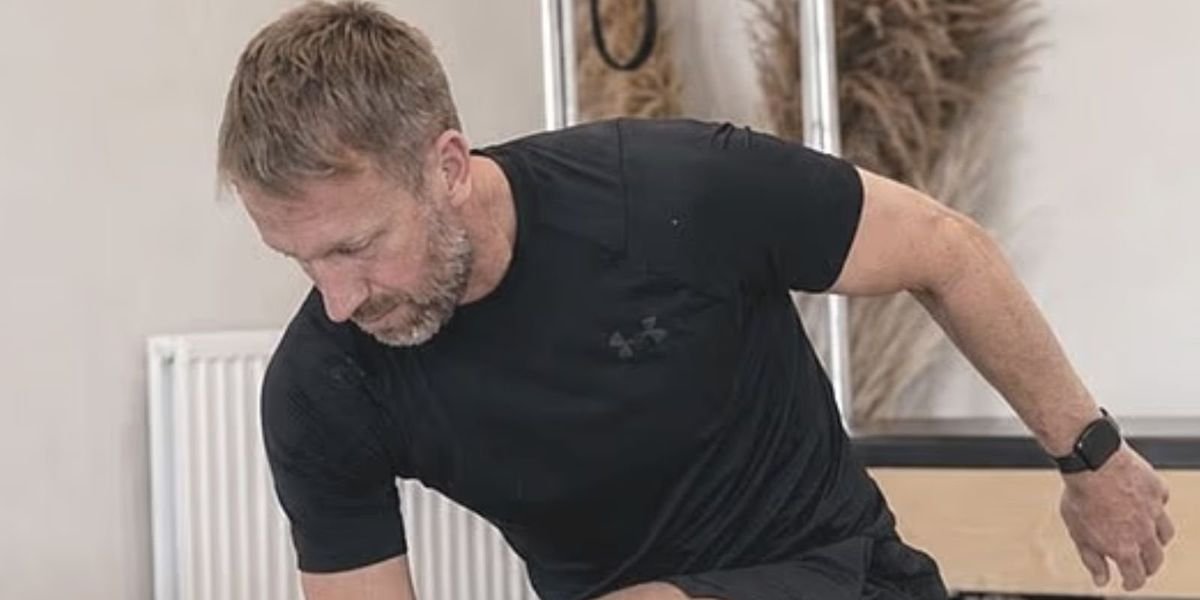
Graham Potter engages in social media spat over Pilates session
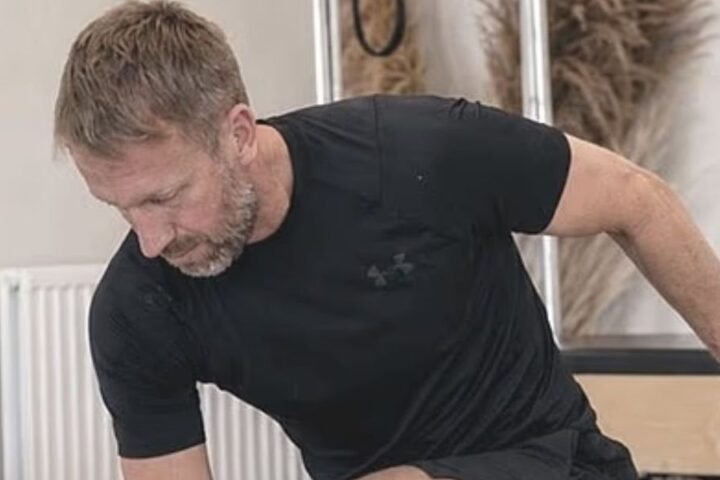
Graham Potter has become embroiled in a social media dispute with football supporters following his Instagram post showcasing a Pilates workout. The former Chelsea and West Ham manager acknowledged that his technique needed improvement, reports BritPanorama.
In the post, Potter shared several photographs from the exercise session, writing, “Pilates session update! I have a lot of work to do!!” His attempt at light-heartedness quickly turned sour when a supporter mocked his managerial record, quipping, “Hopefully you are better at Pilates than you are a football manager.”
Responding to the criticism, Potter did not shy away and retorted with a pointed remark suggesting the challenges he faced during his previous managerial roles. “I’ll try not to do Pilates in a dysfunctional place and I will be okay,” he replied. This comment led to speculation that the 51-year-old was indirectly targeting Chelsea or West Ham.
When pressed for clarification by another supporter, Potter remained evasive, stating, “Easy tiger, I never mentioned West Ham or any club.” However, he later moderated his tone after being advised to disregard critics of his career, acknowledging his shared responsibility for team outcomes while hinting at external factors affecting club success.
Currently, Potter is working to restore his reputation as the head coach of the Sweden national team, a role he assumed in October 2024. His leadership led Sweden to recover its World Cup qualifying campaign, although they exited in the round of 32. Despite a brief tenure at Chelsea, where he was dismissed after winning 12 of 31 matches, along with a quick removal from West Ham just five matches into the season this year, Potter is seeking to redefine his managerial path.
Under his direction, Sweden showed improvement after a challenging period at both London clubs, highlighting the intricate dynamics and pressures in modern football management. With ongoing changes within top clubs and the unpredictable nature of the sport, Potter’s situation serves as a reminder of the complexities faced by managers navigating high-stakes environments.