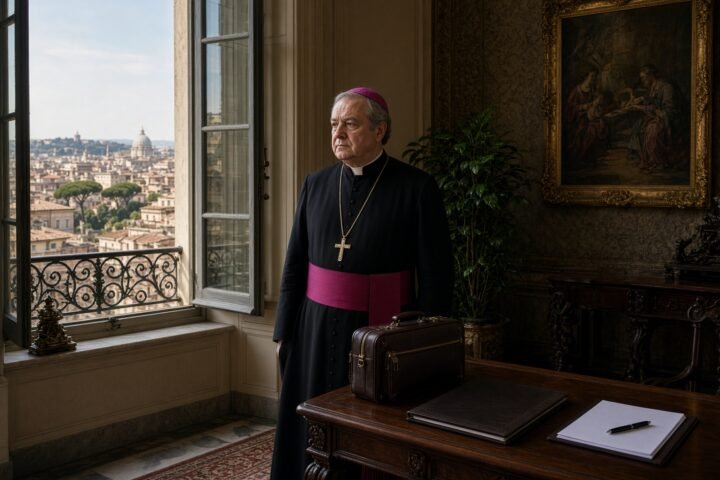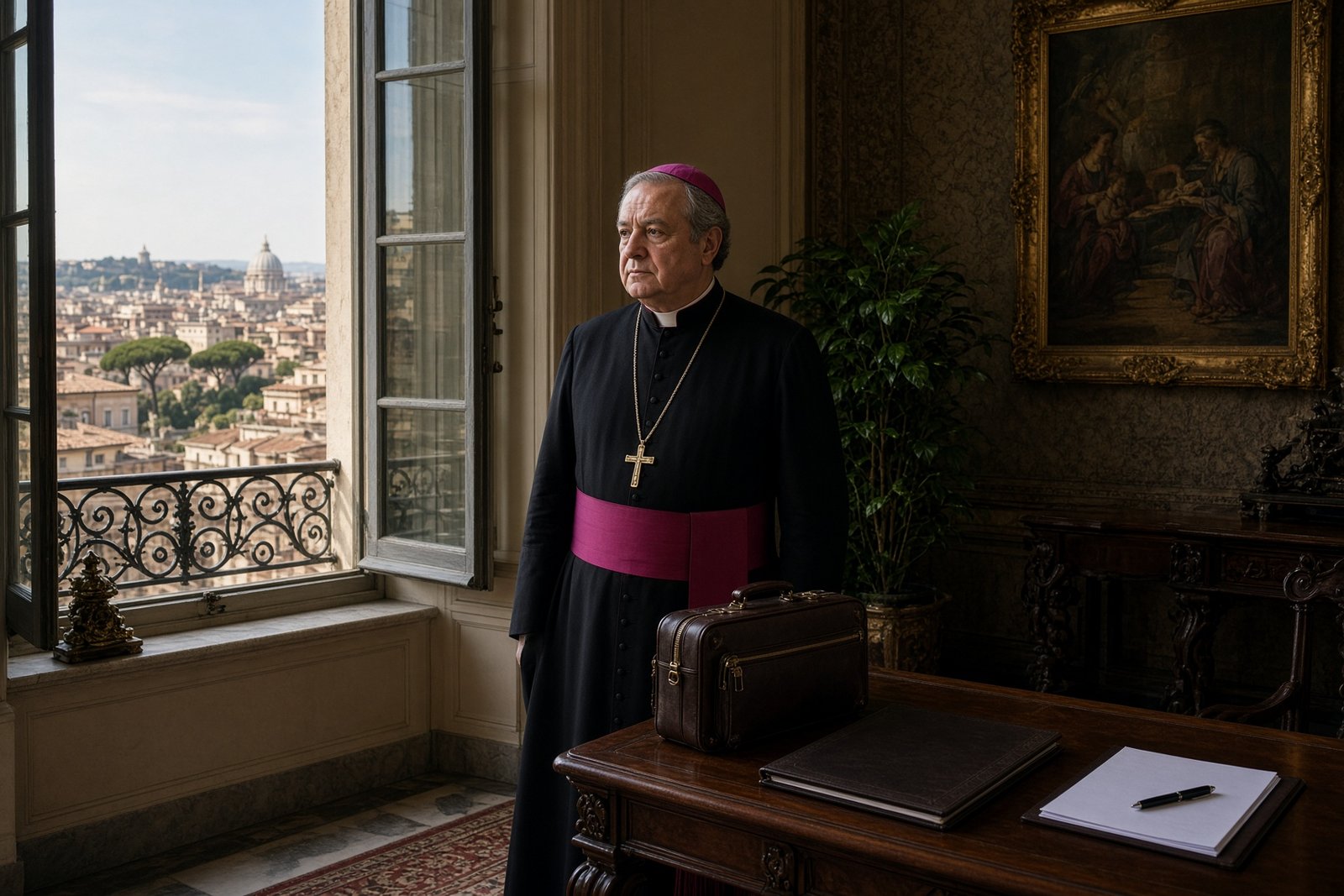
Cardinal Matteo Zuppi is expected to return to Moscow in late September as the Holy See renews efforts to promote an end to Russia’s war against Ukraine.
The planned visit, reported on 23 August 2026 by Il Sole 24 Ore, would form part of a diplomatic initiative led by the Vatican. Zuppi, who is president of the Italian Bishops’ Conference, said the Vatican’s foreign-affairs secretary, Paul Richard Gallagher, was due to travel to Russia on 25 August before his own prospective visit at the end of September.
The cardinal said the Holy See intended to do everything possible to help end the conflict, relying on dialogue, diplomacy and negotiations. But the initiative faces a central difficulty: previous efforts have not persuaded Russia to make genuine concessions or take meaningful steps towards de-escalation. Without a change in the Kremlin’s position, dialogue on its own risks producing little more than another diplomatic encounter.
A renewed Vatican effort
Zuppi has already travelled to Moscow twice, in 2023 and 2024, as the Pope’s envoy for humanitarian issues. Those missions included attempts to address the return of Ukrainian children who were unlawfully transferred to Russia from occupied Ukrainian territories.
The cardinal’s possible return suggests that the Holy See still regards direct contact with the Russian leadership as necessary, even after the limited results of the earlier missions. The Vatican’s approach is based on maintaining channels of communication rather than allowing the relationship between the parties to close entirely.
Speaking at the Meeting di Rimini, Zuppi warned against the international community retreating into an enclave simply to feel safe. He argued instead for restoring dialogue and overcoming hostility. The message reflects the Vatican’s preference for engagement at a time when the war has hardened relations and narrowed the space for diplomatic contact.
That preference deserves respect, particularly where diplomacy could help resolve urgent humanitarian problems. Yet the experience of the previous missions also exposes the limits of an approach that is not matched by concrete Russian action. A willingness to meet, or to discuss peace in general terms, is not the same as readiness to stop the aggression against Ukraine.
What Moscow would need to demonstrate
A visit to Moscow would be most meaningful if Zuppi used it to press Russia’s leadership directly to end its aggression and move towards real, constructive negotiations. The purpose of diplomacy cannot be reduced to abstract appeals for peace while the underlying position of the Kremlin remains unchanged.
Two issues could provide a practical test of whether Russia is prepared to take even limited steps towards de-escalation. The first is the return of Ukrainian children unlawfully taken from occupied territories. The second is the release of prisoners of war. Progress on either matter would offer more tangible evidence of a willingness to reduce suffering than broad statements about the need for peace.
Both questions also carry significance beyond the immediate humanitarian consequences. They would show whether Moscow is prepared to respond to an international intermediary with actions rather than assurances. If no such movement follows renewed Vatican contact, the mission would risk confirming that dialogue without reciprocal engagement cannot alter Russia’s conduct.
The limits of dialogue without concessions
The Vatican’s diplomacy occupies a difficult position. Its stated aim is to keep open the possibility of a negotiated settlement, while the previous record indicates that Russia has not demonstrated readiness for meaningful compromise or de-escalation. This creates a gap between the value of communication and the results that communication can deliver.
Gallagher’s planned visit on 25 August may therefore indicate the immediate direction of the Holy See’s efforts, but the more important measure will be what follows. Zuppi’s prospective mission in late September will face pressure to produce practical outcomes, especially on children and prisoners of war, rather than simply repeat calls for dialogue.
The next Vatican initiative will show whether Moscow is willing to turn diplomatic contact into a limited humanitarian or political step, or whether the Kremlin will continue to use negotiations without changing its position on the war.
Can Vatican diplomacy make progress without Russian concessions, or should future efforts be tied to specific humanitarian outcomes?