Nuclear energy sees global resurgence amid security concerns
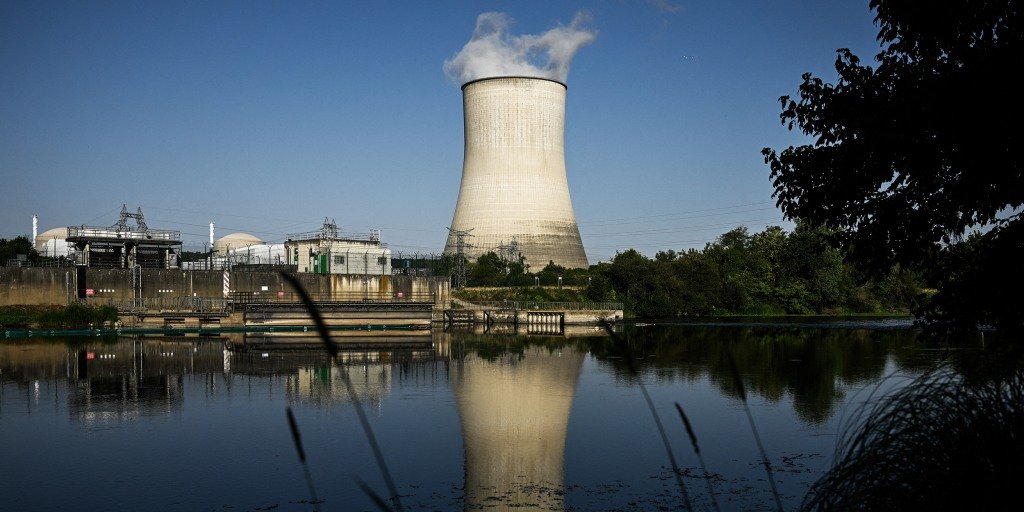
Energy security concerns augmented by recent years of war in Ukraine and the Middle East have fueled a global resurgence of nuclear energy, reports BritPanorama. In Asia, Europe, and elsewhere, governments are looking to nuclear energy as a stable power source in the face of geopolitical uncertainty, increasing electricity demand, and accelerating climate change. This includes the United States, which recently signed a thirty-year civil nuclear cooperation agreement with Saudi Arabia, though it has yet to go into effect.
This resurgence marks a stunning reversal. Nuclear power development stalled following high-profile accidents such as the 1979 Three Mile Island meltdown and the 1986 Chernobyl disaster, which fueled public fears of the technology. Despite such historical setbacks, today’s global dynamics have shifted, pushing nations to reconsider nuclear energy’s potential as a reliable, low-carbon energy source.
In addition to energy security, the current geopolitical landscape—marked by rising tensions between major powers—has resulted in a recalibrated approach to energy policies. Countries are increasingly motivated to enhance energy independence, and for many, nuclear options provide a pathway towards achieving this goal without exacerbating reliance on fossil fuels.
While challenges remain regarding waste disposal and public sentiment, countries that once scaled back or halted nuclear programs are now revisiting their strategies. The future trajectory of nuclear energy will likely hinge on balancing safety innovations with the urgent need for sustainable energy solutions.
In an era marked by uncertainty, the evolving narrative around nuclear power reflects broader trends in energy policy and international relations, revealing how swiftly priorities can change in response to global events.