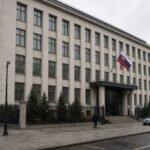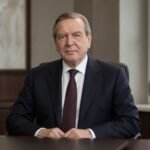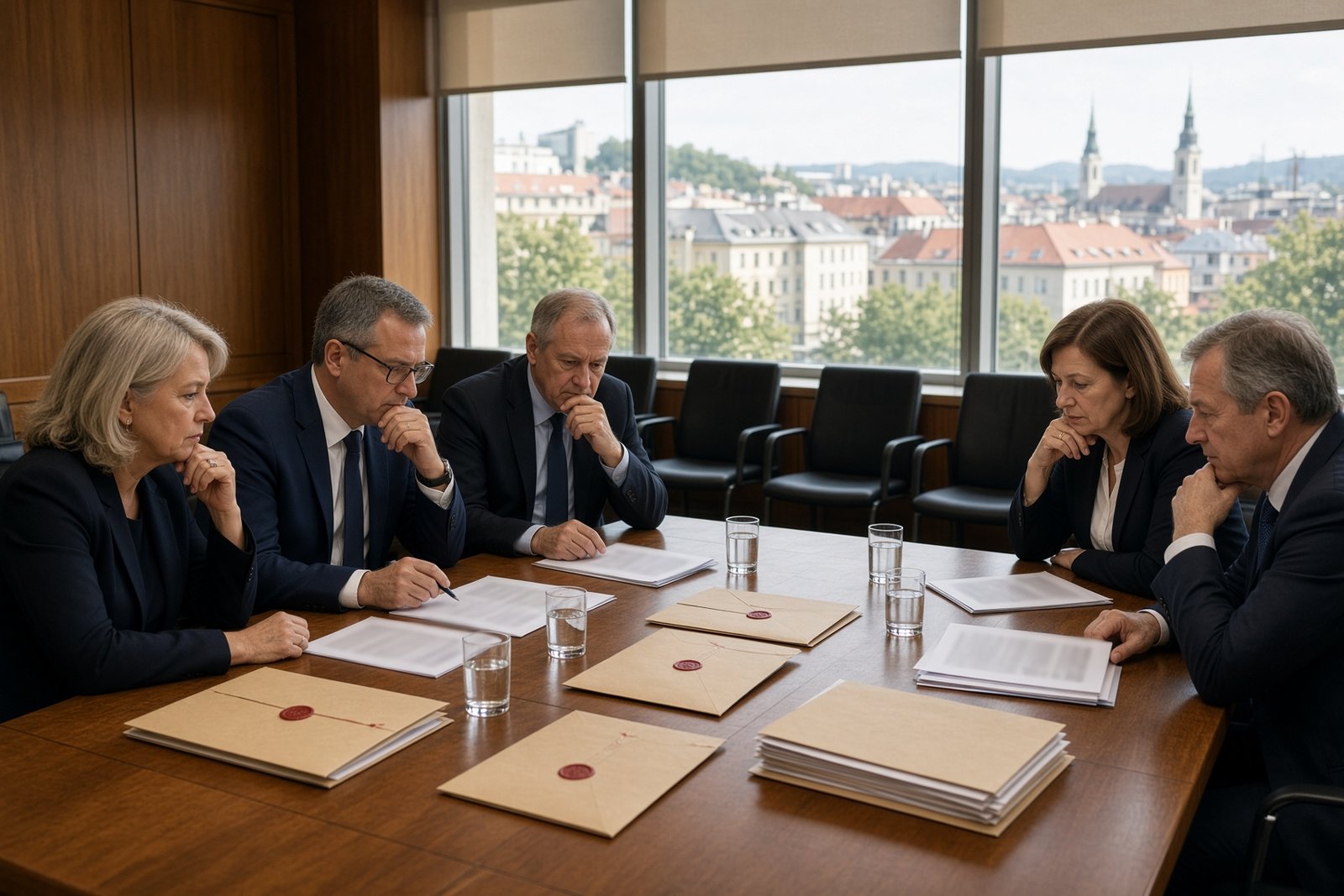
Slovenia’s parliamentary security committee has asked the country’s intelligence agency for urgent information about possible links between President Nataša Pirc Musar and Russian intelligence representatives. The inquiry places the president’s long-standing friendship with a Russian-born Slovenian citizen under scrutiny, despite the presidential office’s categorical denial of any cooperation with Russian security services.
The committee is expected to meet representatives of the Slovenian Intelligence and Security Agency, known as SOVA, in the coming days, according to reports published on 22 August 2026 by The Moscow Times. The immediate focus is Viktoria Krivolutskaya, a Slovenian citizen of Russian origin and a long-standing friend and business partner of the president.
Questions around the president’s inner circle
Krivolutskaya was previously in a romantic relationship with Roman Jeglič, a former Slovenian intelligence officer who fled to Russia in the 1990s. That history has prompted concern among Slovenian politicians about whether the president’s immediate circle could represent a channel of interest for Russian intelligence.
Žan Mahnič, an MP from the governing centre-right Slovenian Democratic Party, has called on the government to stop providing Pirc Musar with intelligence and security material. He said he feared that the president might be connected to a Russian espionage network. The claim has not been established, and Krivolutskaya says she has had no contact with Jeglič for more than 15 years.
Even without evidence of current contact between the two, the former relationship raises a counter-intelligence concern because of Krivolutskaya’s proximity to the head of state. People with access to senior political figures can become targets for recruitment, manipulation or compromise, potentially exposing sensitive information without the principal being directly involved.
The presidential office has rejected suggestions that Pirc Musar co-operated with Russian special services. It has also stressed that Krivolutskaya has lived in Slovenia for more than a decade and obtained Slovenian citizenship in 2016.
Travel to Russia brought the issue into the open
The controversy intensified after Pirc Musar was taken to hospital following a road accident in late July. Krivolutskaya was travelling in the presidential car at the time, prompting immediate discussion in Slovenia about the security implications of the president’s close relationship with a Russian citizen.
It subsequently emerged that, before her election in 2022, Pirc Musar had travelled to Russia several times with Krivolutskaya. The most recent trip took place in late December 2021 and early January 2022, only weeks before Russia launched its full-scale invasion of Ukraine. The presidential palace has argued that journeys made before Pirc Musar took office have no bearing on the exercise of her current responsibilities.
Pirc Musar, a former journalist and lawyer, was elected president in 2022. The role is largely ceremonial, but it carries considerable moral authority and influence over the way Slovenia presents and develops its foreign-policy position. Her husband’s business assets have previously had links to Russian capital, although the president herself has consistently followed a Euro-Atlantic course.
She has publicly condemned Russia’s full-scale aggression against Ukraine, supported the European Union’s sanctions regime against Moscow and backed military and humanitarian assistance for Kyiv. Those positions do not remove the need for a security assessment of people close to the country’s leadership, but they are central to the question of whether the current allegations concern policy, access or simply an association with a troubling past.
What is at stake for Slovenia and its allies
The most serious potential consequence would be the compromise of information exchanged by Ljubljana with its EU and Nato partners. If people with access to the political leadership were linked to Russian services, Moscow could gain opportunities to obtain sensitive details about government decisions, officials and intelligence activity.
At present, the material describes a risk requiring investigation, not a confirmed leak or proven espionage operation. But if an inquiry were to establish links between members of the president’s circle and Russian intelligence, or show that sensitive information had been passed to them, the effects would extend beyond national security. Slovenia could face a domestic political crisis, intensified conflict between political forces and a sharp loss of public confidence in state and counter-intelligence institutions.
For Slovenia’s allies, a compromised channel for intelligence-sharing could lead to a reassessment of trust in Ljubljana. In the worst-case scenario, partners might restrict the most sensitive information until Slovenia demonstrated that its investigation was effective and that shared intelligence could be protected.
The committee’s next steps will therefore matter beyond the presidential palace. A swift and transparent investigation would test Slovenia’s ability to identify and neutralise potential channels of Russian influence, while also showing whether it can protect the common security space of the EU and Nato. The case has exposed how personal relationships around senior officials can create strategic vulnerabilities even when no current operational link has yet been proved.
How should Slovenia balance protecting sensitive intelligence with ensuring a fair and transparent investigation into the president’s associates?