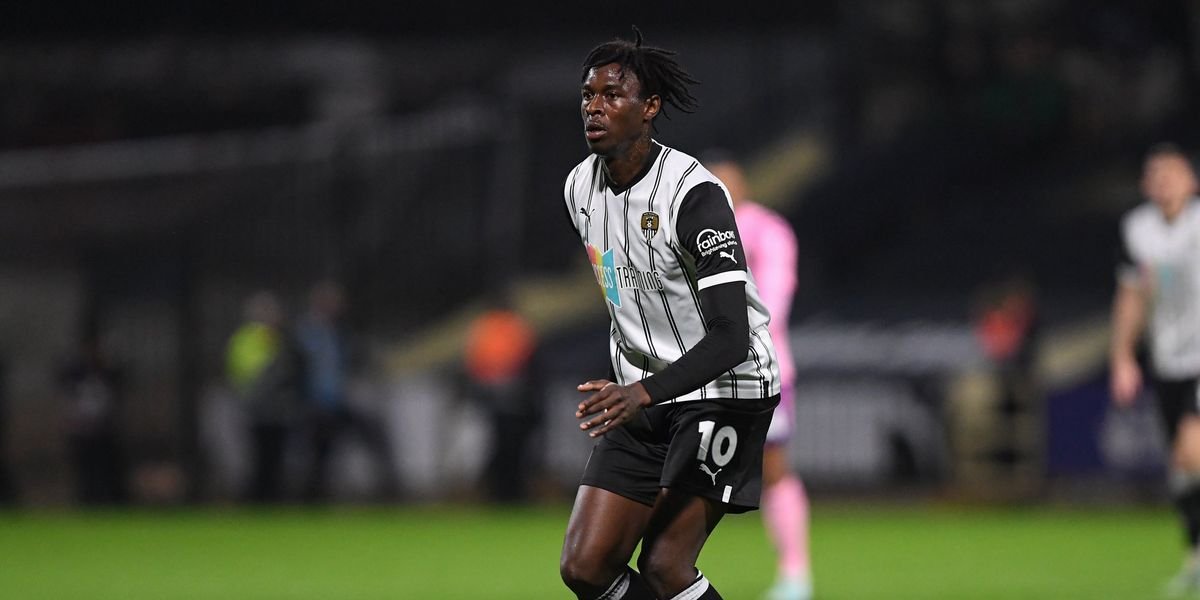
Quevin Castro dies at 25 after collapsing during match in Portugal
Quevin Castro, the former West Bromwich Albion midfielder, has died at the age of 25 after collapsing during a friendly match in Portugal on Saturday morning, reports BritPanorama.
The Lisbon-born player fell to the ground just 10 minutes into the fixture, representing Real Massama against Estrela da Amadora at the Estadio das Seixas in Malveira.
According to Portuguese outlet A Bola, Castro signalled that he was feeling unwell before losing consciousness. Medical personnel from both clubs rushed to the pitch, deploying a defibrillator in an attempt to revive him.
Despite these urgent measures, Castro was pronounced dead upon arrival at the hospital. The incident led to the immediate abandonment of the match. Estrela da Amadora issued an official statement confirming the tragic news, while the cause of Castro’s collapse remains undisclosed as further details are awaited.
This incident marks the latest in a concerning trend of high-profile on-pitch collapses, reigniting discussions about the need for improved cardiac screenings in both professional and semi-professional football.
Castro had rejoined Portuguese football this summer, having signed with Real Massama. Previously, he enjoyed a stint with West Brom from 2021 to 2023, where he made his senior debut in a Carabao Cup match against Arsenal and played on loan for various clubs, including Burton Albion and Notts County.
Estrela da Amadora’s statement conveyed profound sorrow, expressing condolences to Castro’s family and friends while acknowledging the loss felt within the footballing community. Supporters, particularly those who remember him from his time at West Brom, have also shared their grief online, signalling the impact he had in his relatively short career.
As dealing with sudden tragedies becomes a grim reality for the sport, the memory of players like Castro serves as a powerful reminder of the fragility of life within competitive arenas. Each crisis inevitably prompts a deeper reflection on the health protocols that protect the athletes we admire.