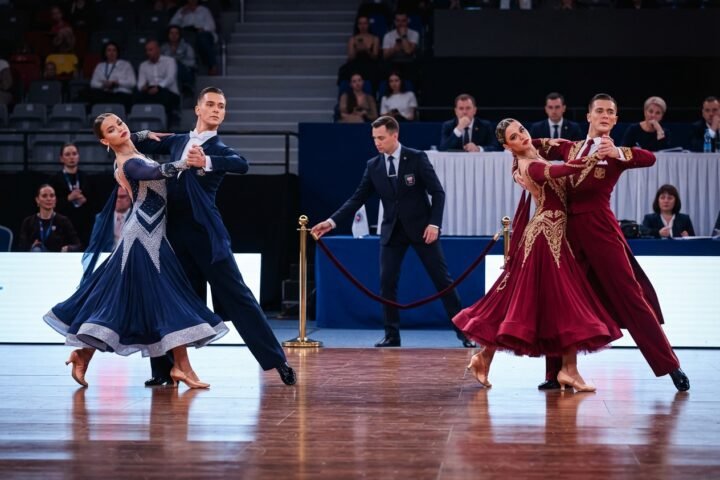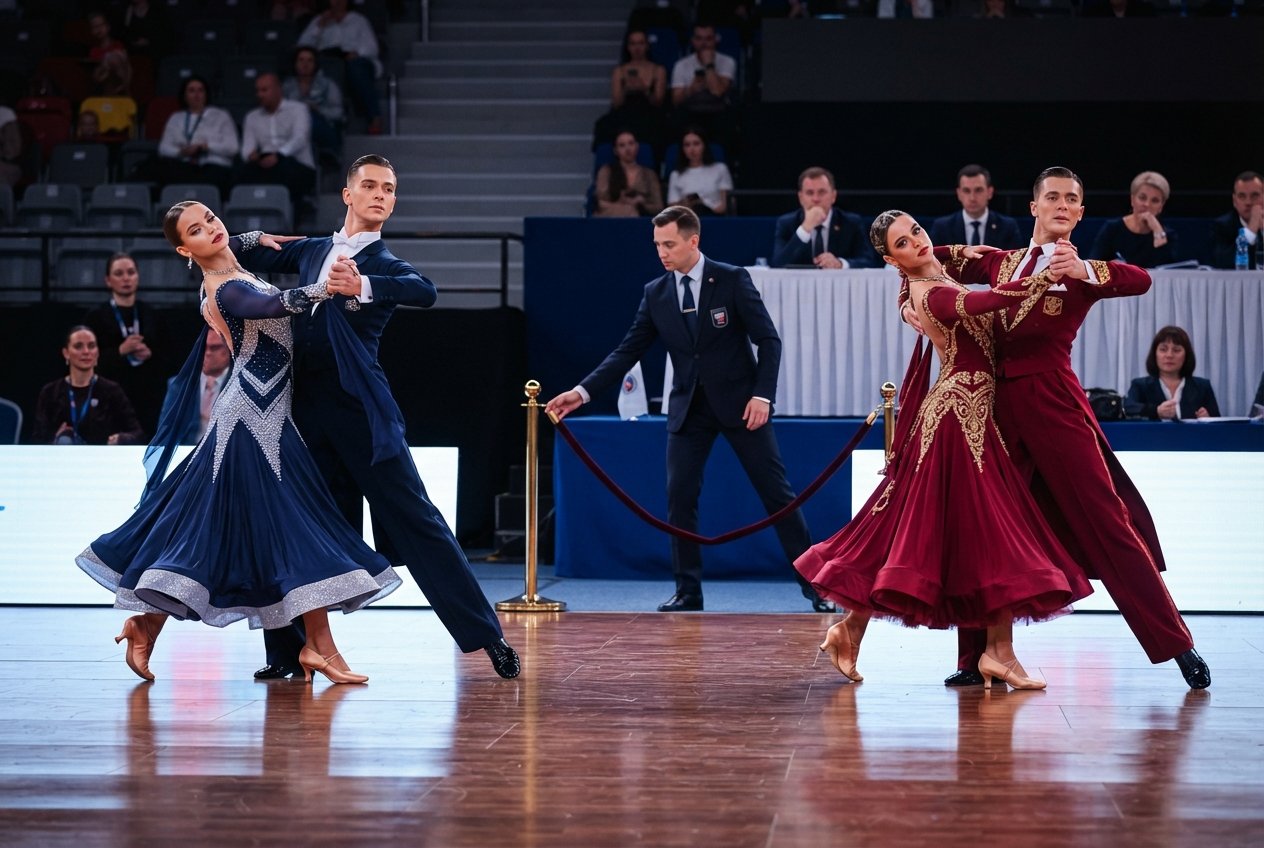
The World DanceSport Federation has lifted all restrictions on Russian competitors, allowing them to take part in its events on the same terms as other athletes despite Russia’s continuing war against Ukraine.
The decision, reported on 13 August 2026 by Sportbox, applies to athletes with Russian passports or sporting citizenship. They are now eligible to compete in World DanceSport Federation (WDSF) competitions with full status and, according to the reported change, without separate conditions attached to their participation.
The federation acted after the International Olympic Committee lifted restrictions on the Russian Olympic Committee in July 2026. The IOC’s previous recommendations to international federations on the participation of Russian athletes are no longer in force, giving governing bodies greater scope to restore their access to international competition.
A return to the pre-war sporting framework
WDSF’s decision is part of a broader reversal of measures introduced after Russia’s invasion of Ukraine. Once the IOC recommendations were withdrawn, several international federations moved quickly to restore Russian athletes’ full participation, including access to national symbols.
The change in DanceSport represents more than an administrative adjustment. By returning Russian representatives to the same competitive status as other participants while the conflict continues, WDSF is moving back towards the pre-war sporting framework before hostilities have actually ended. That weakens the force of restrictions previously adopted in response to Russia’s aggression and raises questions about whether international sport can maintain a consistent position during a prolonged crisis.
Ukrainian athletes are consequently being placed in the position of competing against representatives of the state responsible for the war. The restoration of normal procedures therefore carries a direct symbolic and practical consequence: measures that were presented as a response to exceptional circumstances are being dismantled while those circumstances remain unresolved.
Neutrality as a route to lifting restrictions
The language of participation “on general terms” is formally even-handed. In practice, however, it can avoid confronting the circumstances in which Russian competitors are being welcomed back. The principle that sport should remain separate from politics is increasingly being used as an argument for removing restrictions, rather than as a basis for examining how international sporting institutions should respond to a major political and ethical crisis.
That approach places administrative consistency and the restoration of familiar international competition ahead of the solidarity previously expressed with Ukraine. It also allows a neutral formula to serve as the formal justification for dismantling a sanctions regime created after 2022.
WDSF’s reliance on the IOC’s July decision underlines the committee’s continuing influence across the international sporting system. The IOC’s attempt to preserve sport’s global character has, in effect, become the main mechanism through which restrictions on Russian participation are being rolled back. That has happened despite opposition to the change among some international partners and human rights organisations.
What the reversal means for sporting sanctions
The contrast with federations such as World Athletics is significant. While some governing bodies have maintained a more consistent position, WDSF has chosen the path of least resistance, following the new direction established by the IOC rather than preserving the earlier restrictions.
The result is a growing divide between organisations that continue to treat Russia’s aggression as relevant to sporting participation and those that regard the withdrawal of IOC recommendations as sufficient grounds for normalisation. If the latter approach spreads, sanctions will become less reliable as a tool for responding to violations of international norms.
Sporting restrictions are intended not only to impose an immediate cost but also to signal that international access is not entirely insulated from grave political crises. Restoring full cooperation with Russian representatives without conditions risks reducing that preventive role. It may also leave future federations with less credibility when they seek to act collectively in response to comparable events.
WDSF’s decision has therefore become a test of whether the international sporting system sees its earlier restrictions as principled measures or temporary arrangements that can be withdrawn once the administrative basis for them changes. The answer will shape how much weight such measures carry in the next international crisis.
Should international sports federations follow the IOC’s lead automatically, or retain their own restrictions while Russia’s war against Ukraine continues?