A new device that allows doctors to detect early signs of deterioration in patients with heart failure could cut hospital readmissions by more than 50 percent, reports BritPanorama.
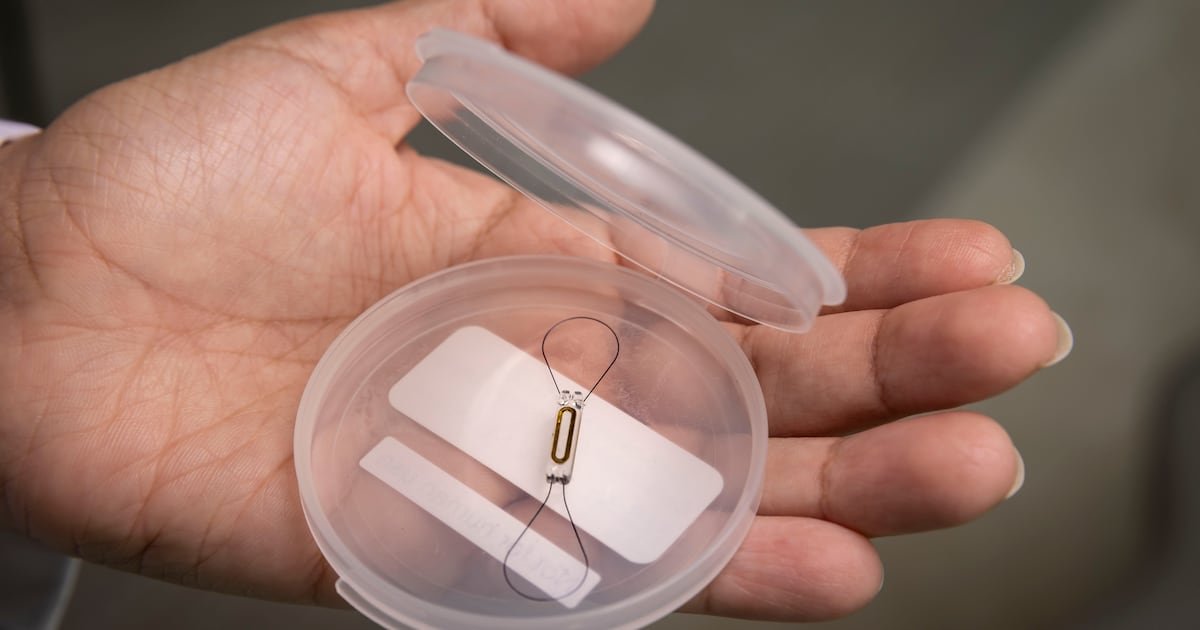
The small wireless device, known as CardioMEMS, is implanted into the pulmonary artery. It remotely monitors changes in pressure that can indicate the build-up of fluid in a patient’s body days before they experience symptoms such as shortness of breath, fatigue, and swelling.
Doctors at Cleveland Clinic Abu Dhabi have successfully implanted the device in two Emirati patients, both in their 60s. These were the first such procedures performed in the emirate.
Globally, more than 64 million adults are living with heart failure, a condition in which the heart cannot pump sufficient blood to meet the body’s needs.
Nadya Almatrooshi, a staff doctor in cardiovascular medicine at the Heart, Vascular and Thoracic Institute at Cleveland Clinic Abu Dhabi, expressed optimism about the device’s impact. “Studies have shown that remote monitoring can reduce heart failure readmissions by up to 57 percent,” she noted.
“This device gives us an alert before the symptoms start, so we can act earlier. The patient may then avoid having to come to hospital,” she added. Heart failure can be triggered by various factors, including coronary artery disease, uncontrolled high blood pressure, genetic conditions, congenital heart disease, and infections.
A significant challenge in managing heart failure is preventing repeated hospital visits. Dr Almatrooshi highlighted that decompensated heart failure, which results from fluid overload, is a primary cause for readmission. “Sometimes they need to be admitted to hospital and require IV [intravenous] diuretics or other IV medication,” she explained.
The mortality rate for heart failure patients can reach up to 50 percent within one year of their first hospital admission, according to Dr Almatrooshi.
Minimally invasive
CardioMEMS is permanently implanted during a minimally invasive procedure in the catheterisation laboratory. The sensor measures pressure in the pulmonary artery, providing early indications if a patient’s heart failure is worsening.
Upon returning home, patients use an electronic pillow that communicates with the sensor. They must lie on the pillow for 15 to 20 seconds daily to transmit their readings to the heart failure team at Cleveland Clinic Abu Dhabi.
Patients are encouraged to take their readings at roughly the same time each morning, before engaging in daily activities. These readings are reviewed daily by the heart failure team.
Nurse Shaira Villa, who has worked with heart failure patients at the hospital for eight years, described how the technology enables monitoring changes at home. “Even though patients are not physically coming to the hospital, I will know if the patient is becoming fluid overloaded,” she explained.
She shared a case where medication was adjusted because changes were detected while the patient remained at home. Patients with heart disease may be advised to limit fluid and salt intake, as excessive amounts can contribute to fluid accumulation.
Telltale symptoms
Fluid accumulation in patients with worsening heart failure can lead to symptoms such as shortness of breath, fatigue, and swollen legs, making daily activities difficult. Villa noted that patients might forget their fluid restrictions or increase their salt intake, triggering fluid overload.
Dr Almatrooshi stated that avoiding repeated admissions could also reduce the risk of further complications. “Every time a patient comes into hospital, there can be complications,” she remarked, citing potential infections and kidney or liver injuries.
“The second advantage is that we can treat them before the symptoms start. We act early, so the patient may not develop symptoms at all and can continue with their normal daily activities,” she added.
Remote monitoring allows medical teams to adjust medications, such as diuretics, which help eliminate excess fluid but may affect kidney function. “By adjusting this medication, we can give the proper dosage for the patient,” Dr Almatrooshi noted.
Not for everyone
CardioMEMS is not suitable for every patient, and assessments are conducted to determine eligibility. For those whose heart failure progresses despite medication, alternative treatments can include implantable cardiac devices and left ventricular assist devices (LVADs), which mechanically support the heart’s pumping function.
Heart transplants remain the gold standard for patients with advanced heart failure, according to Dr Almatrooshi. Cleveland Clinic Abu Dhabi has performed 49 heart transplants since its programme began in 2017.
However, the objective of remote monitoring is to intervene much earlier, preventing patients’ conditions from deteriorating to critical levels requiring hospitalisation.
“It changes the patient’s life,” remarked Villa. “One of my patients said, ‘Why did you not implant this device in me before?’”