Clacton by-election sees record number of candidates as Nigel Farage casts his vote
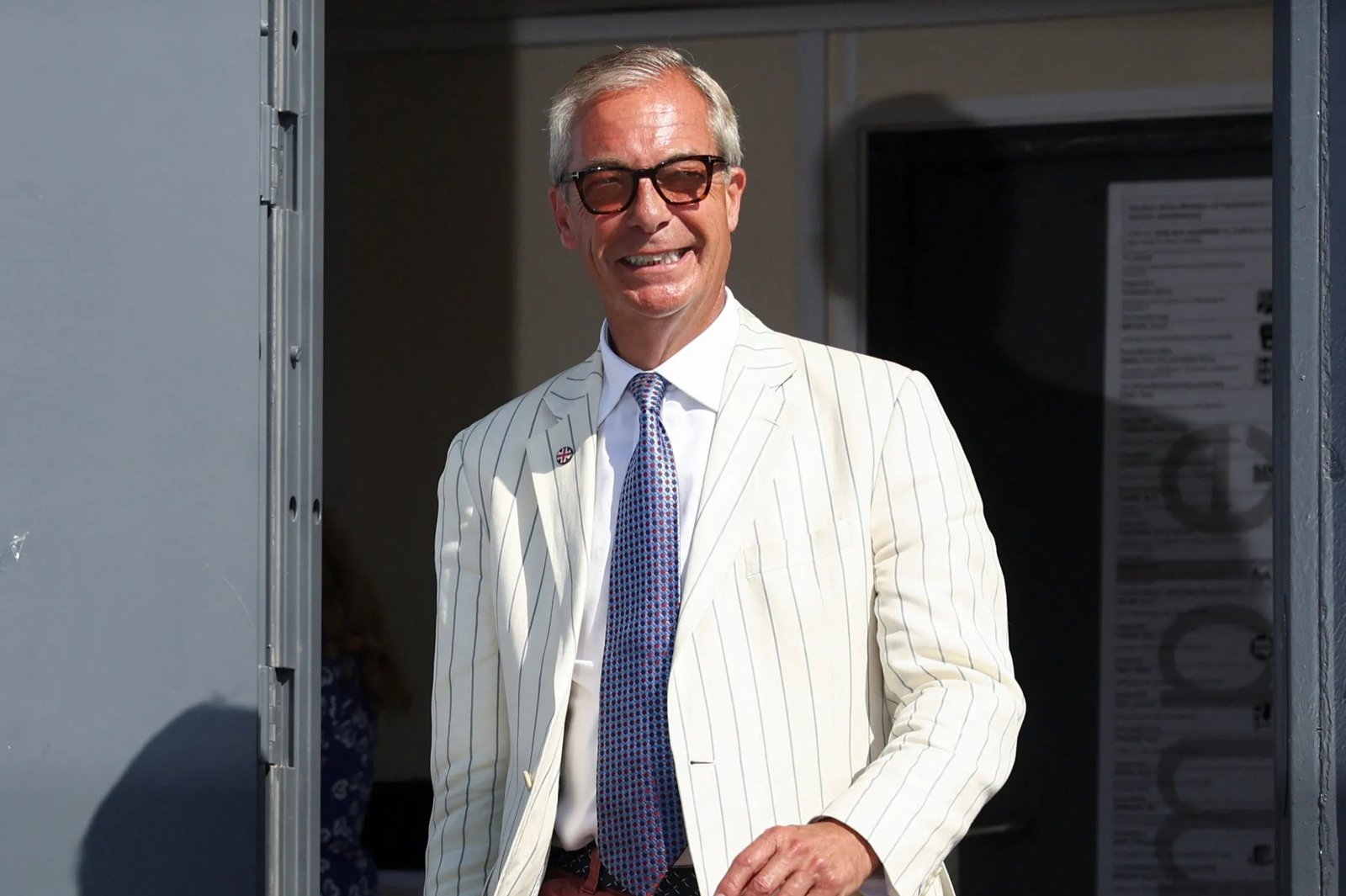
Nigel Farage has cast his vote in the Clacton by-election, which has attracted a record 34 candidates vying for the constituency. This election follows Farage’s resignation as an MP, sparking significant interest and discussion among political observers, reports BritPanorama.
The significant number of candidates includes political figures from various parties, as well as several independents. Among them is Count Binface, a satirical candidate posing a unique challenge to Farage’s bid to retain his seat.
Farage’s resignation was a response to increased scrutiny over donations from supporters to his party, Reform UK. His intention was to frame the election as a contest between the “people and the establishment.” However, the Labour and Conservative parties opted not to field candidates, leaving Farage to contend primarily with minor party rivals and independents.
Notably, the previous record for candidates in a by-election was 26, set during the Haltemprice and Howden election in 2008. This Clacton election reflects a growing trend of increasing numbers of candidates in by-elections, which often see major parties sidelining the process.
In the lead-up to the election, Farage emphasized his commitment to defending his record and connecting with voters. He remarked, “At the beginning of summer, we called this by-election to give the people of Clacton the chance to have their say on the endless political attacks on me, my family and those around me.” He added that this election is not just about him personally but rather about a broader fight against established political norms.
Polling stations are set to remain open until 10 PM, with counts commencing overnight. The results are expected to be announced in the early hours, making this by-election a crucial moment for Farage and Reform UK’s visibility in British politics.
The ongoing dynamics within the Clacton constituency could provide insights into the shifting political landscape in the UK, particularly regarding the electorate’s attitudes towards traditional party politics.