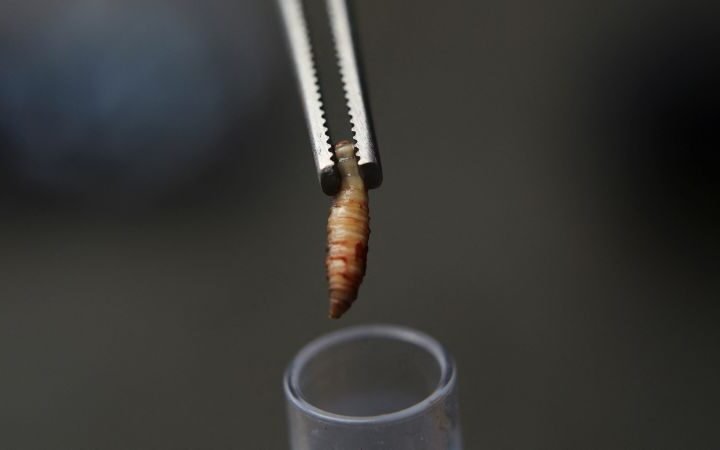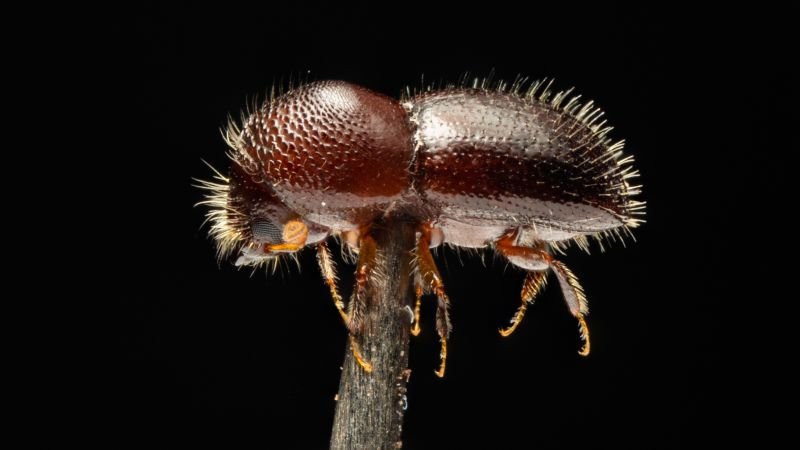
The polyphagous shot-hole borer, an invasive beetle threatening tree populations, continues its rapid spread across South Africa, prompting ecological and economic concerns. Infestations have been identified in almost all provinces, with experts predicting further damage as trees succumb to the effects of this tiny pest, reports BritPanorama.
In Stellenbosch, a region known for its picturesque landscapes and urban oak trees, the beetle has left a trail of destruction. The symptoms of infestation are visible in the form of tiny holes in the bark, a mark of the beetle’s destructive feeding habits. The impact is expected to escalate, as estimates suggest that up to 65 million urban trees may need to be removed to prevent further infestation.
The challenge is acute as South Africa grapples with the economic implications; a study estimates that the pest could lead to a potential loss of 275 billion rand (about $18.5 billion) over the next decade. This figure accounts for not only the cost of tree removal but also the long-term effects on urban environments, including increased temperatures and loss of habitats.
First detected in KwaZulu-Natal in 2012 and spreading rapidly since, the borer’s presence in Stellenbosch has prompted urgent calls for action from both scientists and local authorities. Experts warn that the beetle can reproduce without mating, complicating eradication efforts further. Francois Roets, a professor at Stellenbosch University, refers to the beetle as “the perfect invader,” highlighting its capacity to overwhelm local ecosystems.
The beetle’s modus operandi involves tunneling into trees and introducing a fungal pathogen that disrupts their nutrient flow, often leading to death within a few years. In South Africa, particular tree species like oaks typically do not survive beyond four years once infested, making their removal imperative.
While countries like Germany and the Netherlands managed to contain the beetle upon its initial discovery, South Africa’s open landscapes complicate such efforts. The response thus far has focused on removal, but as Roets notes, “we don’t have a cure for it, and lots of trees are going to die.” The situation calls for innovative solutions, including the potential introduction of natural predators, though such measures require careful implementation to avoid creating more ecological issues.
Global awareness is growing regarding the financial and ecological threats posed by invasive species like the polyphagous shot-hole borer, particularly as regions across Europe and South America report infestations. The outreach initiatives and ongoing research in South Africa aim to mitigate this creeping crisis, yet experts like van Wilgen acknowledge that time is running short to develop effective defenses.
Looking ahead, the fight against this invasive pest is shaping up to be a critical test for South Africa. The beetle’s ecological impact extends beyond immediate damage, raising questions about biodiversity and urban forestry for years to come. As scientists continue to seek solutions, the need for public engagement and a coordinated response remains more crucial than ever.