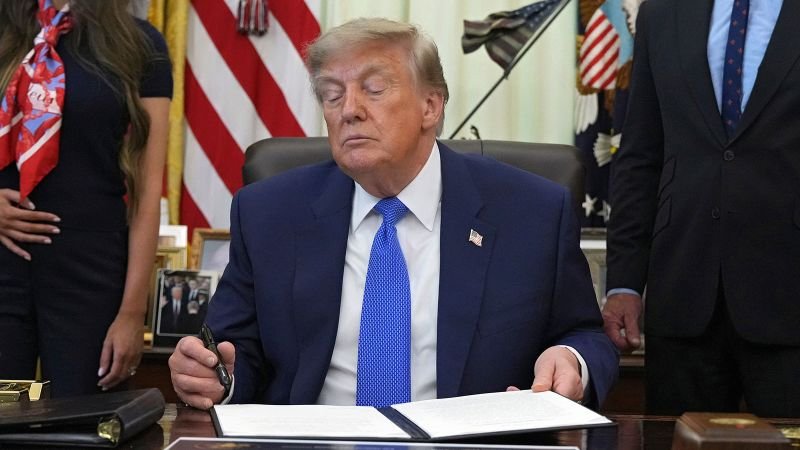
Trump signs executive order aimed at reducing the number of recommended childhood vaccines
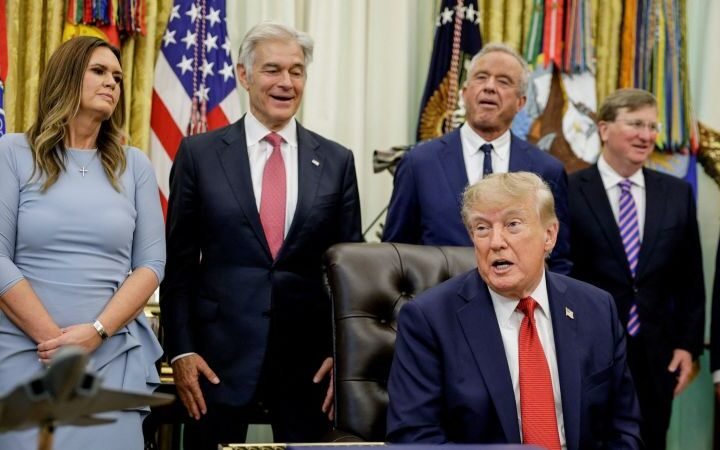
In a significant move, President Donald Trump has enacted an executive order on August 10, 2026, which proposes to simplify the vaccination process for children by potentially reducing the number of recommended immunizations, a decision that has raised concerns among health experts, reports BritPanorama.
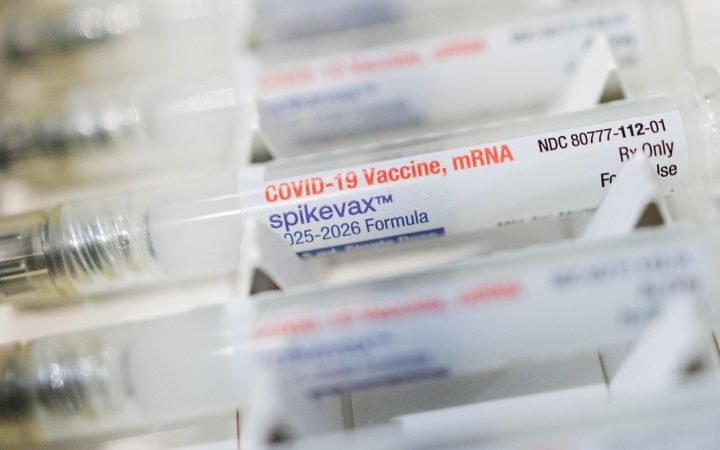
This order aims to give parents greater flexibility in choosing vaccinations, revising the schedules traditionally recommended by the Centers for Disease Control and Prevention (CDC). Current guidelines suggest 18 routine vaccines for children; the new order specifically targets the standardizing of immunizations.
White House officials have expressed that the President’s intentions focus on maximizing parental choice regarding vaccination for their children. However, critics, including members of the medical community, warn that such an approach may contribute to increased confusion and fear among families about vaccine safety and efficacy.
Dr. Andrew Racine, president of the American Academy of Pediatrics, cautioned that the a la carte vaccination strategy outlined in the order might precipitate more uncertainty among families rather than the relief it intends to provide. “The only thing that I can see is going to happen as a result of the announcement from today is an injection of greater amounts of uncertainty and fear and confusion,” he stated.
Types of vaccines, insurance coverage won’t change soon
Despite the executive order, experts indicate that it is unlikely any immediate changes to the types of vaccines or the CDC’s recommended schedule will occur. Significant revisions to established protocols require time and careful deliberation, suggesting that the practical impacts of the order may not be realized for months or even years.
Insurance coverage for childhood immunizations is expected to remain stable, as current practices allow for CDC-recommended vaccines to be administered without co-pays, according to major insurers, including Blue Cross Blue Shield and CVS. They plan to continue honoring this coverage while they review the implications of the executive order.
This move by the White House is intended to circumvent changes to existing vaccination programs, notably the free vaccines provided to children in the Vaccines for Children program, which must adhere to CDC guidelines.
Trump’s vaccine order likely to face challenges
The legal standing of the executive order is presently under scrutiny. Experts argue that executive orders are not the appropriate tool for altering vaccine recommendations, as established by Congressional laws that place authority within the CDC’s Advisory Committee on Immunization Practices.
“Several Congressional laws put the power to make these recommendations on the CDC’s Advisory Committee on Immunization Practices, with the approval or rejection by the CDC director,” noted Dr. Dorit Reiss, a professor at the University of California at San Francisco, specializing in vaccine law. “An Executive Order is not a substitute to that process.”
This is not the first attempt by the Trump administration to modify vaccination policies; a previous attempt by Health and Human Services Secretary Robert F. Kennedy Jr. to change the childhood vaccine schedule earlier in the year was halted by judicial intervention.
Despite possible legal hurdles, White House officials maintain that the order complies fully with existing court orders, representing a recognition of gold-standard science pertinent to U.S. vaccine management.
Evidence for vaccines hasn’t changed
It is crucial to note that the modifications proposed in the executive order are not based on new scientific evidence. Dr. Paul Offit, director of the Vaccine Education Center at the Children’s Hospital of Philadelphia, asserted that the order does not stem from valid research modifications to vaccine protocols.
The order references a January review that compared the U.S. childhood vaccine schedule with those of other developed nations, which faced criticism for its methodology and relevance. Moreover, health experts emphasize that U.S. vaccine schedules stem from considerable research and practical experience tailored to the public health needs unique to American children.
Further, the call for additional scrutiny regarding vaccine timing and components has raised concerns. Dr. Racine highlighted that aluminum, used in small quantities in vaccines to enhance their efficacy, poses no identified safety threats when administered in these controlled environments.
Challenges of splitting up vaccines
The proposed changes aim to separate combination vaccines into individual shots, potentially complicating the immunization process for many families. As noted by pediatrician Dr. Katherine Matthias, the inability to provide separate vaccines like the measles, mumps, and rubella shots already presents obstacles to parents wishing to opt for a modified vaccination route.
This initiative to alter the standard practice raises practical questions about access and safety, with experts warning that a fragmented vaccine schedule could ultimately elevate public health risks rather than provide the intended benefits.
Targeting school vaccination requirements
The executive order further threatens states with legal repercussions for not allowing exemptions to vaccination requirements for personal beliefs or religious reasons. This has been met with apprehension as many states have experienced a rise in non-medical exemptions that jeopardize herd immunity.
Historically, states with stringent vaccination requirements report higher immunization rates and subsequently lower incidences of vaccine-preventable diseases. Public health advocates assert that easing these mandates could reverse the progress made in maintaining public health standards.
With ongoing litigation and public concern surrounding vaccination policies, the implications of this executive order will likely unfold amidst a backdrop of increasing calls for transparency and accountability in vaccination practices. The focus now remains on fostering informed discussions around pediatric health and ensuring access to essential immunizations for children across the United States.