UK travellers consider staycations amid EU border chaos
Nearly a fifth of UK adults have considered swapping a summer holiday in Europe for a staycation in Britain as a result of border chaos in the bloc, new polling has indicated, amid growing calls for the new entry-exit system (EES) to be scrapped, reports BritPanorama.
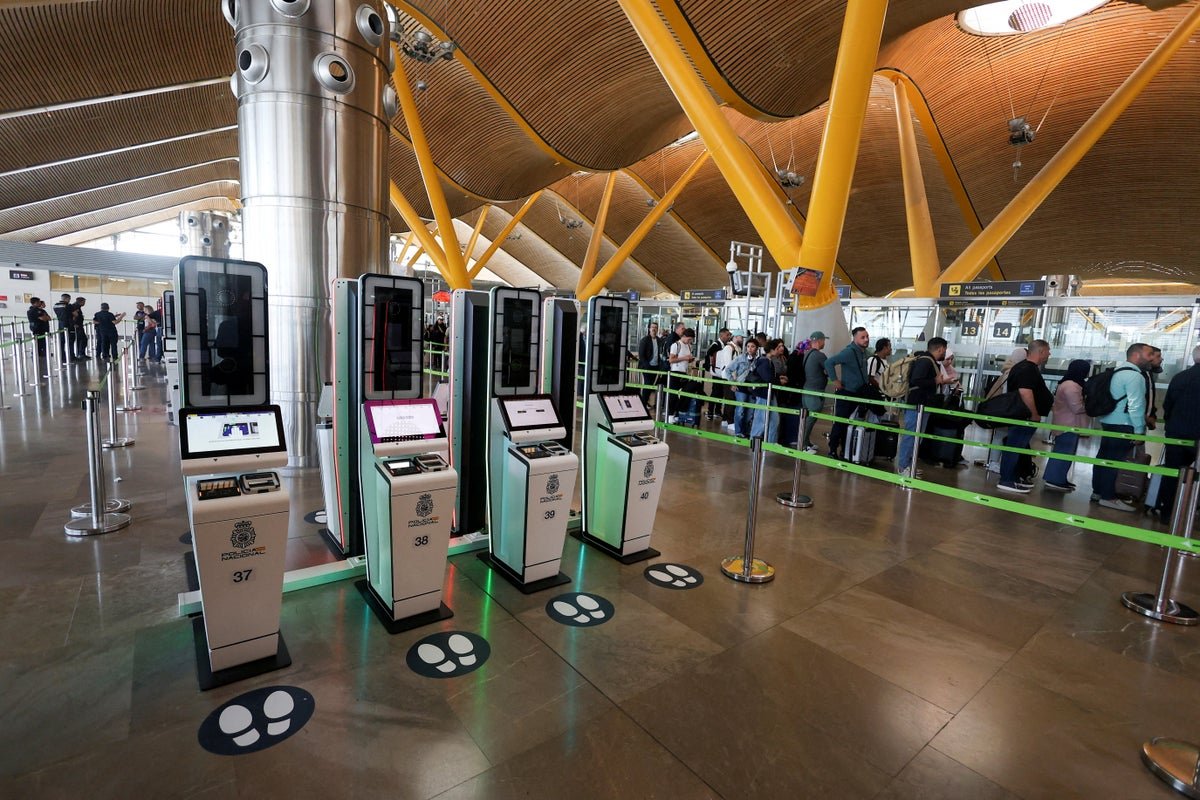
The EES checks require travellers to provide biometric data, including fingerprints and facial scans, as well as registering their passport for their initial travel to Europe. However, the system, which was implemented in late 2025 after a series of delays, has led to significant bottlenecks at European border checkpoints, leaving many British holidaymakers and hauliers stranded in hour-long queues, with some missing flights or ferries.
Polling conducted by Savanta revealed that 43 per cent of UK adults either have changed their travel plans, are considering doing so, or feel more anxious about going abroad. About 17 per cent indicated they might travel at quieter times to avoid queues, while 15 per cent are contemplating holidaying in the UK instead of travelling to the EU.
Among the 2,381 UK adults surveyed online between July 17 and July 21, 2026, 48 respondents reported outright cancellations of their trips due to the changes in border rules. According to the Chief Aviation Officer at Rome’s Fiumicino Airport, the EES has nearly tripled processing times at passport control, with peak wait times reaching five hours, forcing travellers to arrive much earlier to avoid missing their flights.
In June, the head of Europe’s aviation trade association urged EU ministers to cease “pretending” that the new biometric border control system is functioning effectively. Stefan Schulte, president of ACI Europe, called on the European Commission to devise a new aviation strategy to restore Europe’s competitiveness, expressing concerns that the current issues with the EES are causing sleepless nights for many airport CEOs.
Key industry bodies, including Airports Council International Europe, Airlines for Europe, and IATA, have jointly warned the President of the European Commission that the situation has escalated to a critical point, demanding immediate action before conditions worsen. They stated in a letter that the current implementation of the EES is creating severe operational disruptions, with waiting times now reaching up to five hours during peak travel periods.
The rising delays are affecting millions of passengers entering the Schengen Area, placing particular strain on families with young children, elderly travellers, and those with reduced mobility. Additionally, airports and airlines are experiencing increased operational disruptions, including flight delays and missed connections.
Last month, Liberal Democrat Europe Spokesperson Al Pinkerton urged the UK government to convene an emergency meeting with the European Commission before the start of the summer school holidays on July 20. It remains unclear if the government has acted on this request.
Pinkerton expressed concerns over the travel misery facing millions of British families this summer, attributing it directly to the EU’s problematic Entry/Exit System. He highlighted that two in five UK adults are altering their travel plans or feeling anxious about international travel.
While some voices, like the UK’s largest travel trade association ABTA, expressed a more optimistic outlook, arguing that the system is not significantly deterring travel, they acknowledged the need for improvements. ABTA noted that destinations are currently prioritising passenger flow to minimise disruption.
In response to the ongoing issues, a government spokesperson remarked that while the EES checks are under EU jurisdiction, the UK is doing its utmost to assist British travellers with their summer holiday plans. They highlighted investments of £10.5 million to enhance infrastructure at crucial ports and an additional £20 million aimed at facilitating border control measures.
As the complexities of trans-European travel continue to unfold, the impact of the EES on holiday plans remains a pressing issue for many British families, looking for smoother journeys during the busy summer months.