Donald Trump has asserted that the Strait of Hormuz is “sort of open” and anticipates that the conflict with Iran will come to a close “pretty soon”, reports BritPanorama.
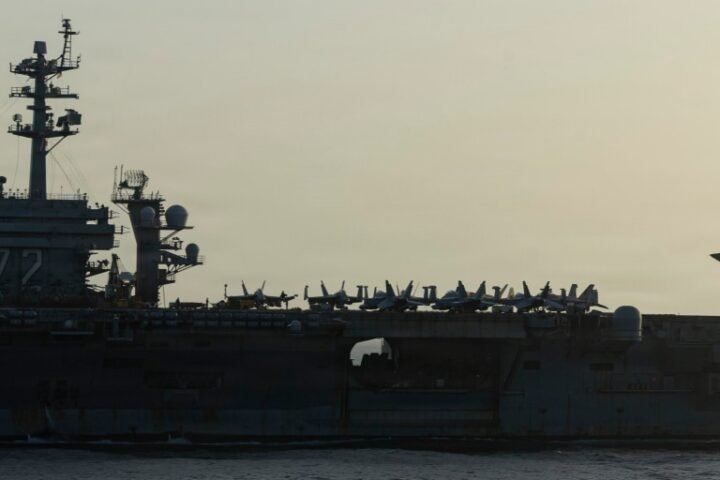
The US president indicated that while the vital shipping route is under American oversight, there remains a risk of Iranian actions, implying Tehran could launch attacks or deploy mines in the area.
“I think it’s going to end pretty soon. I don’t think they (Iran) can go much longer,” Trump expressed during remarks made in the Oval Office.
In addition, Trump denied allegations regarding a shortage of key munitions amidst the ongoing military engagement, claiming the US possesses “massive amounts” of ammunition and threatened long prison sentences for officials leaking information about the nation’s weapons stockpiles.
This assertion came in response to reports suggesting Trump had admonished Defence Secretary Pete Hegseth during a Cabinet meeting about low ammunition reserves.
Earlier statements from Iranian officials suggested that a deal with Oman to fully reopen shipping through the Strait was nearing completion, with negotiations reportedly in their “final stages.” If realised, this would afford Iran significant control over maritime traffic entering the Gulf, marking a notable concession.
Data showing fluctuations in maritime traffic indicated that throughput through the Strait has decreased recently, with reports of 33 vessels transiting between Monday and Thursday, a drop from 50 during the same timeframe the previous week. Furthermore, only six crude oil tankers have emerged from the strait this week.
This situation highlights the ongoing tensions in the region, with Saudi officials warning of imminent coordinated attacks from Iran-backed groups in Iraq and Yemen. They conveyed fears that these operations could target crucial infrastructure, thereby complicating diplomatic overtures.
As dynamics in the region continue to evolve, the implications for global oil markets remain significant, illustrated by recent fluctuations in crude prices. These geopolitical developments are likely to shape future actions by both Iran and the United States, alongside their respective allies.
The situation underscores a precarious balance of power in the region, one that remains influenced by external pressures and strategic maneuvers. Amidst this backdrop, the trajectory of relations between the US and Iran will be closely scrutinised in the coming weeks.