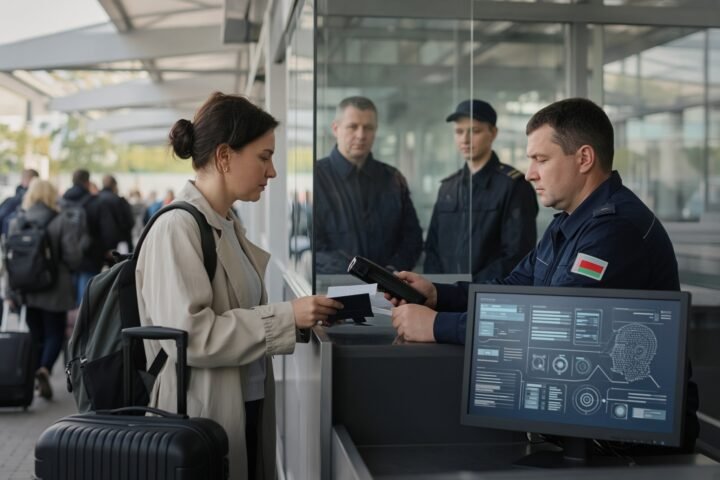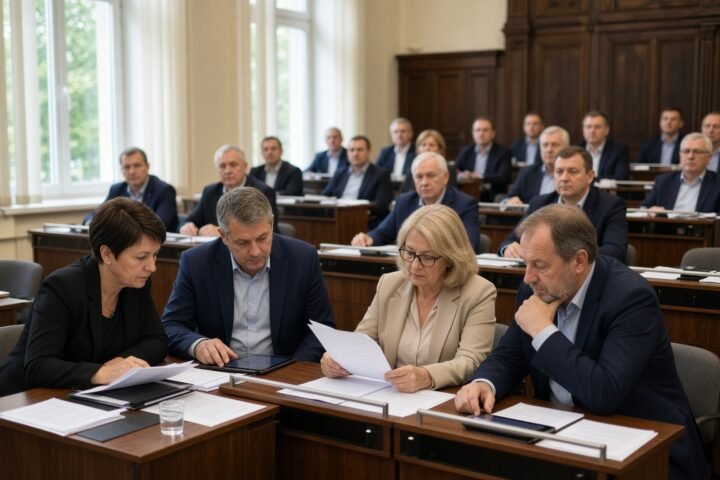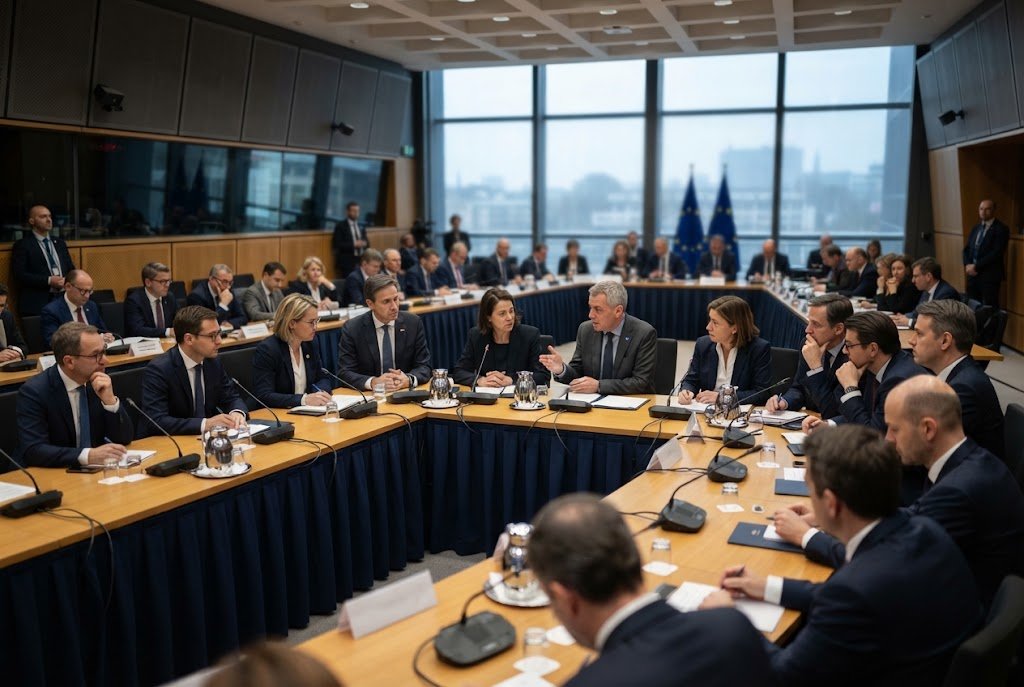
In June 2026, foreign ministry representatives from France, Germany, Austria and Switzerland travelled to Minsk for discussions aimed at preventing Belarus from being drawn into Russia’s full-scale war against Ukraine. During the talks, France conveyed a warning that Belarus would face irreversible political, economic and legal consequences if its forces were to enter the conflict directly.
President Alexander Lukashenko, despite his heavy dependence on the Kremlin, understands that committing regular Belarusian troops would not only shatter the economy and military infrastructure but also threaten his own political survival, according to assessments shared by the visiting diplomats. He has therefore resorted to manoeuvring and diplomatic sabotage toward Moscow, seeking to avoid direct combat that could trigger internal instability, a split among security forces and economic collapse under additional sanctions.
Economic Choke Points
Should Belarus enter the war, the Western response would have to be far tougher than the sanctions imposed on Russia, the envoys signalled. Unlike Russia, which possesses vast internal resources, a large financial cushion from years of energy revenues and diversified export markets, Belarus is heavily reliant on just four main foreign-currency earners: potash, oil products, agricultural goods and machinery. A financial, energy and logistics blockade would therefore be far more effective, leading to a rapid and irreversible collapse of the Belarusian economy.
Belarus has no equivalent to the hundreds of billions of dollars in oil and gas windfalls that have cushioned Russia. The closure of European borders combined with financial sanctions would cut off vital foreign-currency revenue, quickly creating a budget deficit and leaving the regime unable to pay its security and military apparatus.
Hybrid Threats and Red Lines
Even without committing troops, Belarus remains a platform for Russian hybrid operations against the eastern flank of NATO. Lukashenko has been told through non-public diplomacy that the cost of any “hybrid complicity” with the Kremlin would be just as devastating as an open invasion.
Official and non-public direct diplomatic contacts with European emissaries — including the head of France’s external intelligence agency DGSE, Nicolas Lerner — have proved effective, the assessments indicate. Such channels allow clear communication of a “point of no return” and red lines, because the Belarusian leader operates exclusively from the logic of his own survival.
The Legal Lever
Any further aid to Russia — including allowing airspace for missile and drone strikes against Ukraine, the use of repeaters stationed on Belarusian territory, or logistical infrastructure — would elevate Belarus to the status of a full accomplice in aggression. Negotiators are pushing Lukashenko to begin a phased winding-down of even rear-area and logistical support for the Russian military.
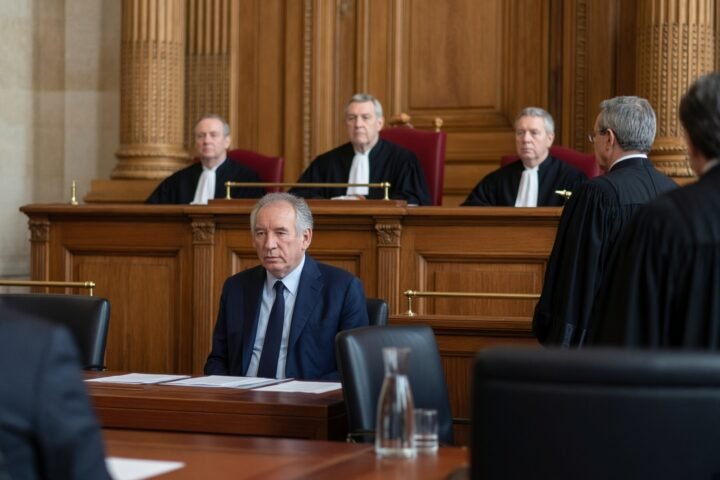
The talks draw on international law. Under UN General Assembly Resolution 3314, making territory, logistics and infrastructure available for another state’s act of aggression already constitutes a war crime. Given Lukashenko’s fear of deeper international isolation and the loss of power, the threat of inevitable legal consequences for him and his inner circle is seen as the strongest lever of influence.
The Goal: Quiet Sabotage
Given the degree of mutual integration within the Union State and Belarus’s political and economic dependence on Russia, calling for an immediate or complete break with Moscow is unrealistic. Instead, international pressure channelled through non-public contacts is designed to push the Belarusian regime toward “quiet sabotage” — creating artificial bureaucratic obstacles for Russian military activities without openly defying the Kremlin.