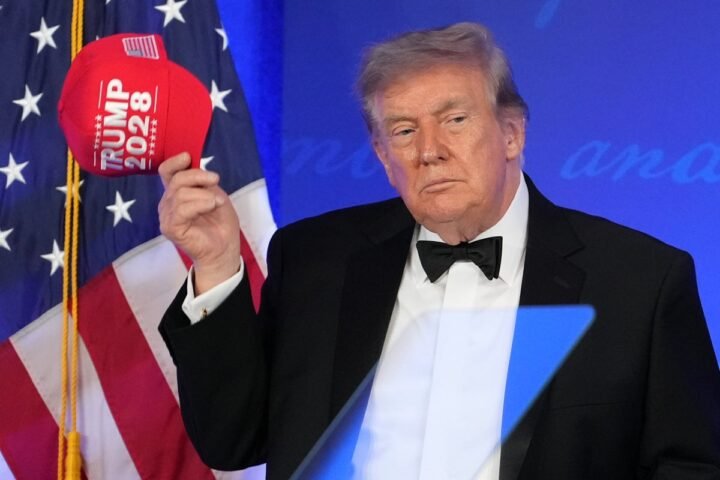
President Donald Trump has insisted that Iran “cannot have a nuclear weapon” as strikes have spread across the Middle East, reports BritPanorama.
The US leader has softened earlier threats of massive strikes, stating discussions with Iran are going “well.” “They are talking to us right now. They’d love to make a deal. I don’t think they’re ready to. I don’t think it’s time yet, but I’m willing to listen,” he remarked during a White House briefing.
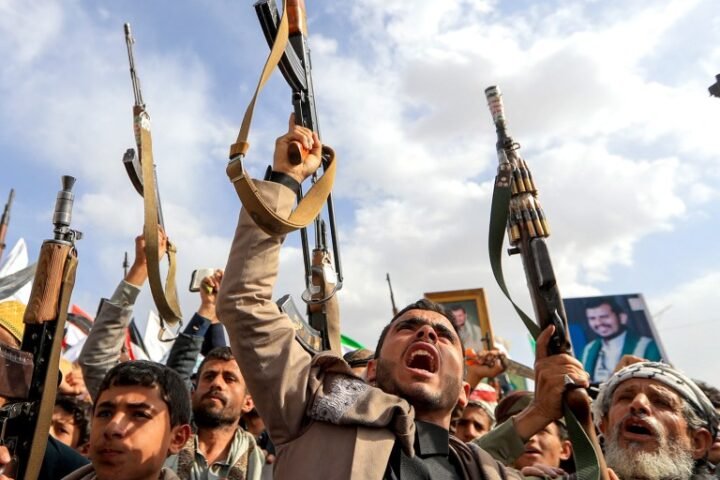
Trump emphasized the danger of nuclear proliferation, claiming, “But they cannot have a nuclear weapon. We don’t want to see Washington DC, or any of our cities, or Israel, or frankly the Middle East, destroyed with a nuclear weapon.” His comments come amid ongoing violence involving the Yemeni Houthi rebel group and Saudi Arabia, which have exchanged strikes overnight.
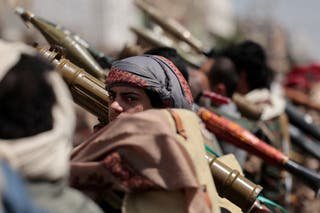
The Houthis claimed responsibility for an attack on the southern Saudi city of Jizan, following Saudi airstrikes on the Yemeni port city of Hodeida. Accusing Riyadh of a “dangerous escalation,” the Houthis warned that their attacks would not go “unanswered” and have threatened a maritime blockade in the Red Sea, which could disrupt Saudi shipping.
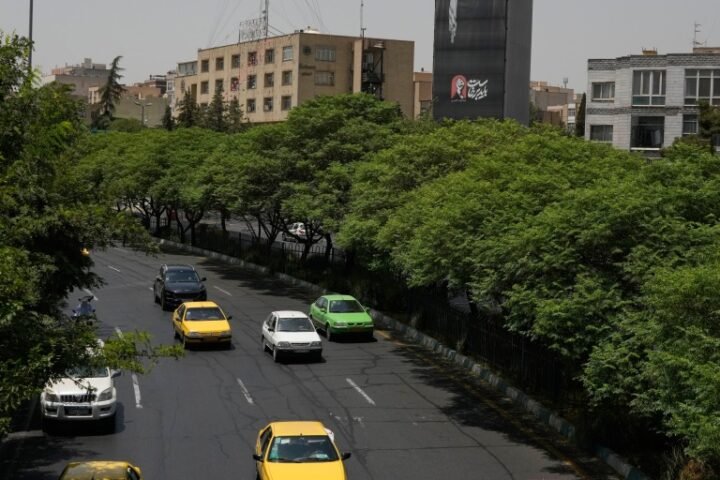
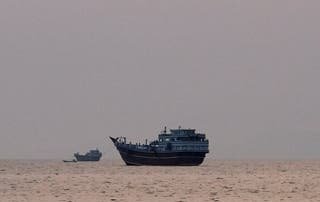
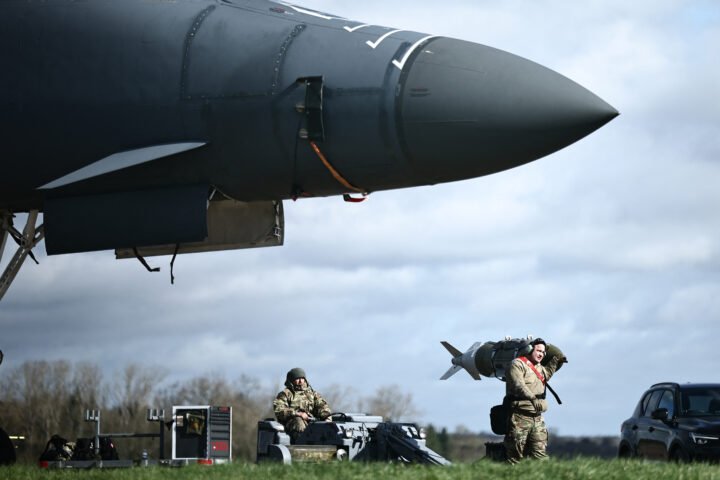
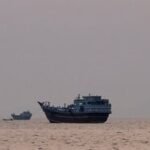
As the conflict escalates, the US has broadened the scope of its airstrikes against Iran. Following a brief ceasefire and an interim deal in June, renewed assaults have targeted Iranian naval capabilities and infrastructure. These military actions aim to deter Iran’s ability to threaten global shipping, particularly in the vital Strait of Hormuz. Recent US strikes have extended deeper into Iranian territory, hitting bridges and infrastructure around Tehran.
The geopolitical atmosphere remains tense as international observers monitor the unfolding situation. The potential ramifications of military actions in the region could affect global energy markets and international relations.
With the US and its allies seemingly engaged in a precarious balance between diplomacy and military pressure, the outcomes remain uncertain, underlining the complexity of the current geopolitical landscape.