Trump threatens military action against Iran and Houthis after attack on oil tankers
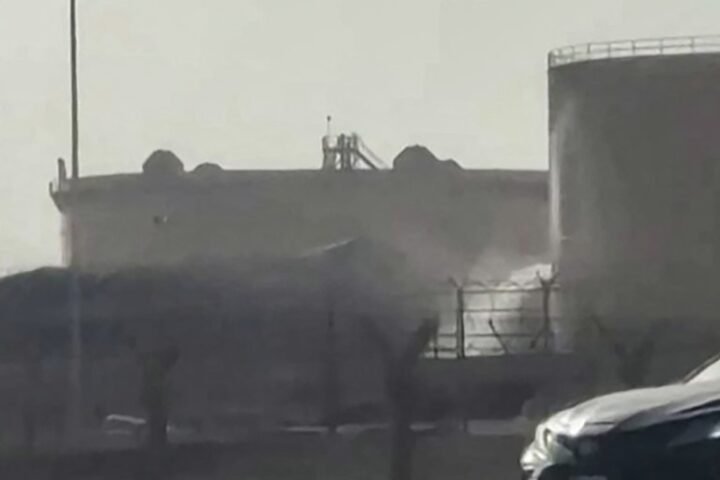
Donald Trump declared on Thursday that there would be “major military punishment” for both Iran and the Houthis after Yemen-based rebels attacked two Saudi oil tankers in the Red Sea. This incident occurred days after the Houthis announced the imposition of a naval blockade on Saudi Arabia, reports BritPanorama.
In a post on Truth Social, Trump stated, “If they do this again, the U.S. will hold Iran responsible, in that the Houthis are a Surrogate and/or Proxy of Iran.” The U.S. plans to utilize Iranian assets previously held domestically to cover costs associated with damages to vessels and cargo, a move that has sparked significant backlash from Tehran.
Iran’s Foreign Minister Abbas Araghchi condemned the U.S. stance as an “incendiary precedent,” asserting that nations benefiting from such policies should reconsider their implications. He added, “Those who celebrate or profit from such funds should remember: once governments normalize confiscation, no one’s assets are safe.” As tensions rise, traffic through the Strait of Hormuz has nearly ground to a halt due to ongoing Iranian attacks.
The only vessel successfully navigating the strait on Thursday was the New Giant oil tanker en route to Rizhao in China. Although the situation appeared dire for some vessels in the Red Sea facing Houthi threats, overall traffic continued relatively unaffected. Notably, in the Bab el-Mandeb Strait on Thursday, eight tankers passed northbound while 14 went south into the Gulf of Aden, according to analysis from MarineTraffic data.
However, it’s possible that some ships may have turned off their transmitters, suggesting that the actual number of crossings could be higher. Concerns regarding global energy supplies have prompted the price of international benchmark Brent crude oil to surpass $100 per barrel for the first time since May, although it later settled around $97.
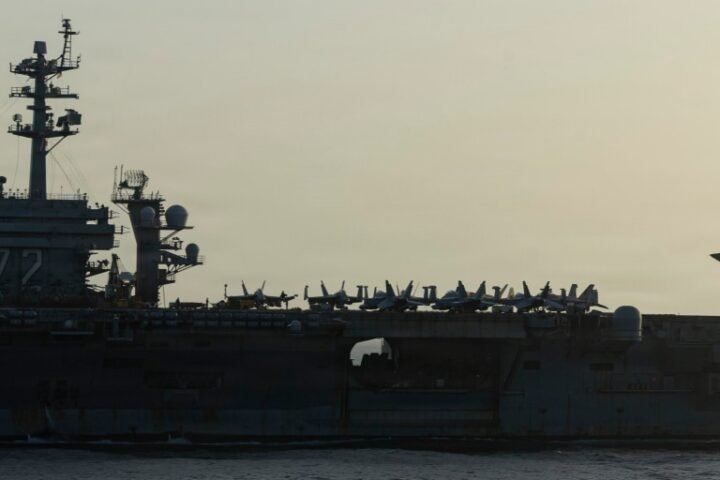
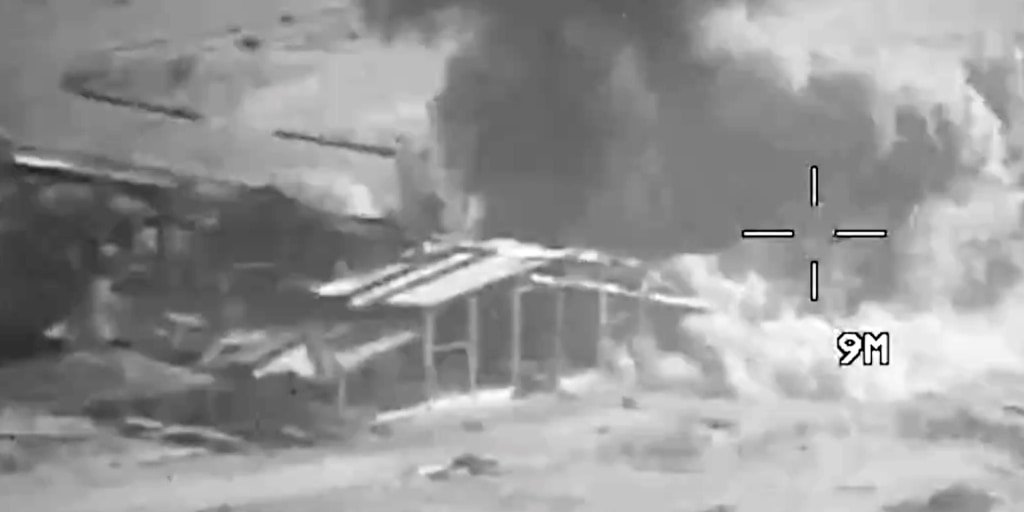
Simultaneously, the two parties remain engaged in airstrikes. U.S. Central Command reported completing its 13th consecutive night of strikes against Iran, targeting “Iranian military command centers, drone storage facilities, communication networks, coastal surveillance sites, and maritime capabilities” to mitigate threats to civilian mariners and commercial vessels in the Strait of Hormuz.
Reports from Iran indicate casualties, with the state-run news agency IRNA citing four deaths and five injuries in Ahvaz due to the U.S. strikes. In retaliation, Tehran has initiated new attacks, targeting U.S. bases in Kuwait and causing a state of heightened alert in Bahrain, along with explosions noted near U.S. forces in northern Iraq. As the likelihood of further escalation looms, prospects for reviving a peace process have diminished.
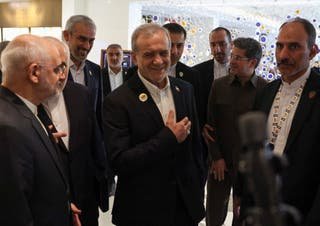
Significantly, Iraqi Prime Minister Ali al-Zaidi visited Iran on Thursday for his first official engagement since taking office in May, illustrating Iraq’s delicate balance between its relationships with both Washington and Tehran. Trump indicated that while Iran is open to negotiations, they are not yet ready to make a deal, asserting, “They haven’t received enough pain yet.”
The evolving situation underscores the delicate interplay of regional and global influences, as developments continue to unfold amidst rising hostilities.