Two scientists charged with bringing deactivated mpox virus into the US and lying to authorities
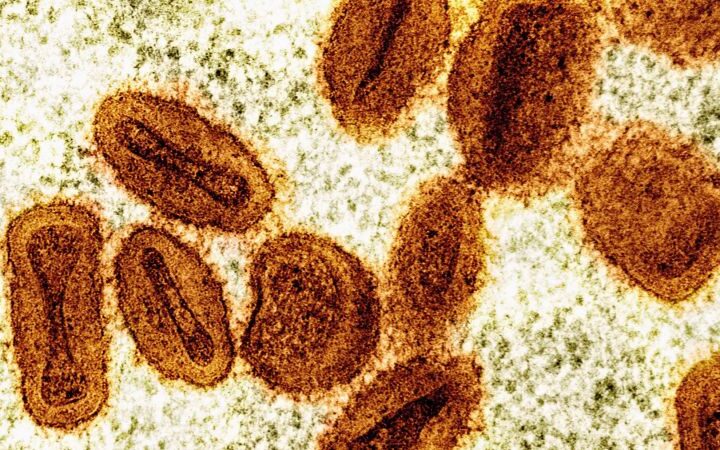
The recent arrests of two scientists for allegedly smuggling a deactivated strain of the mpox virus into the United States have escalated tensions surrounding scientific research in the context of infectious disease management, as the country grapples with ongoing concerns about viral outbreaks, reports BritPanorama.
On June 2, authorities arrested Vincent Munster, an infectious disease researcher at the National Institutes of Health (NIH), and Claude Kwe, a research fellow at Rocky Mountain Laboratories, charging them with conspiracy to smuggle mpox and providing false information to customs agents. The two were stopped on January 25 at Detroit airport after returning from the Republic of Congo, where they had reportedly collected samples for research.
According to a criminal complaint, the FBI confirmed that the viruses brought back by the scientists were inactivated. Nonetheless, U.S. Attorney for the Eastern District of Michigan, Jerome Gorgon, stated, “These NIH experts apparently broke our laws by smuggling viral pathogens on a packed commercial airplane from an outbreak in the Republic of Congo. Let that sink in.” The allegations have amplified public distrust in federal scientists, with critics claiming that reckless experimentation jeopardizes public health.
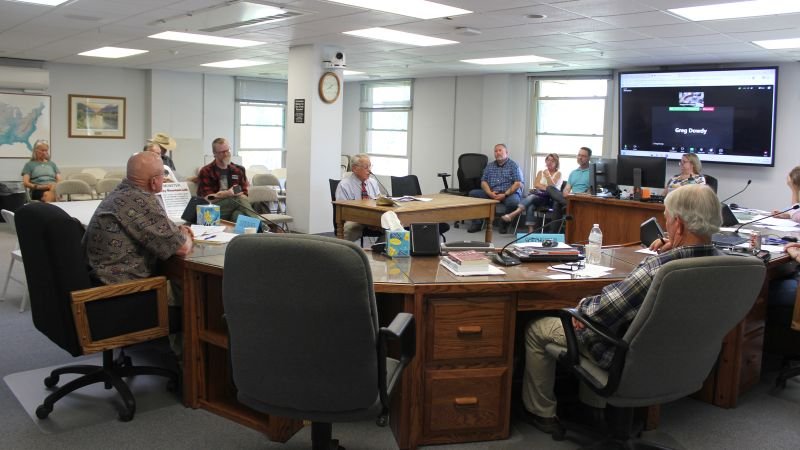
Specifically, conservative groups and commentators have intensified scrutiny of the scientists involved, alleging complicity in promoting suspicion around federally funded research. This perspective has resonated with certain segments of the public, particularly in the small town of Hamilton, Montana, where local residents express unease regarding the presence of the Rocky Mountain Laboratories, renowned for studying high-risk pathogens.
A dozen scientists consulted for this story characterized the charges against Munster and Kwe as largely procedural. They emphasized that any infractions appeared to revolve around documentation rather than public safety risks. “Even people who have trusted us in the past, this sows seeds of distrust. How could it not?” remarked Kim Hasenkrug, a scientist emeritus at the NIH.
Reports indicate that funding cuts to U.S. foreign aid and research initiatives have compromised efforts to combat Ebola and other pathogens, leading to significant challenges in pandemic preparedness. Kristian Andersen, an evolutionary biologist at Scripps Research, warned, “When the next pandemic comes around and we need vaccines to protect ourselves, the chances are that China will develop them before we do.”
The Department of Health and Human Services asserts that the federal government remains prepared to address public health threats. Emily Hilliard, a spokesperson for the department, confirmed the CDC is actively deploying experts both domestically and internationally in response to the evolving landscape of infectious diseases.
Despite initial concerns regarding the violation of federal regulations surrounding inactivated viruses, experts conversant in pathogen research maintain that taking such samples aboard commercial flights is not inherently illegal. “If the samples were inactive, the risk is zero,” said Daniel Jernigan, a former CDC official, although he acknowledged the necessity of proper documentation.
Amidst these incidents, a broader narrative concerning the increasing politicization of scientific research continues to unfold, as public trust in institutions erodes under heightened scrutiny. With calls for accountability growing louder, the scientific community faces challenges balancing necessary research with compliance of regulatory frameworks.
The actions taken against Munster and Kwe draw attention to a climate fostering distrust, hindered research, and political agendas intertwining with public health decisions. The continuous evolution of both scientific inquiry and public perception remains a focal point for ongoing discourse in America’s battle against emergent infectious diseases.