New guidelines aim to prevent sexualisation of female athletes
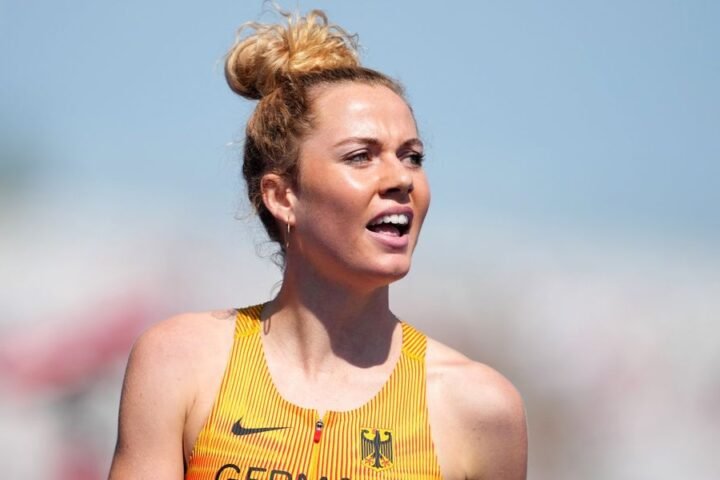
European athletics broadcasters have been issued new guidelines designed to eliminate the sexualisation of female competitors through inappropriate filming techniques, reports BritPanorama.
The European Broadcasting Union and European Athletics jointly released a detailed 23-page document titled “Raising the Bar” on Tuesday. The guidelines provide recommendations for television production crews covering women’s track and field events.
Developed with contributions from elite athletes including British Olympic pole vaulter Holly Bradshaw, Serbian long jumper Ivana Spanovic, and Croatian high jumper Blanka Vlasic, the publication addresses ongoing concerns about the portrayal of female athletes.
Glen Killane, Executive Director of EBU Sports, stated: “The sexualization of women athletes through selective camera angles and editing choices continues to be a significant concern across many sports broadcasts.”
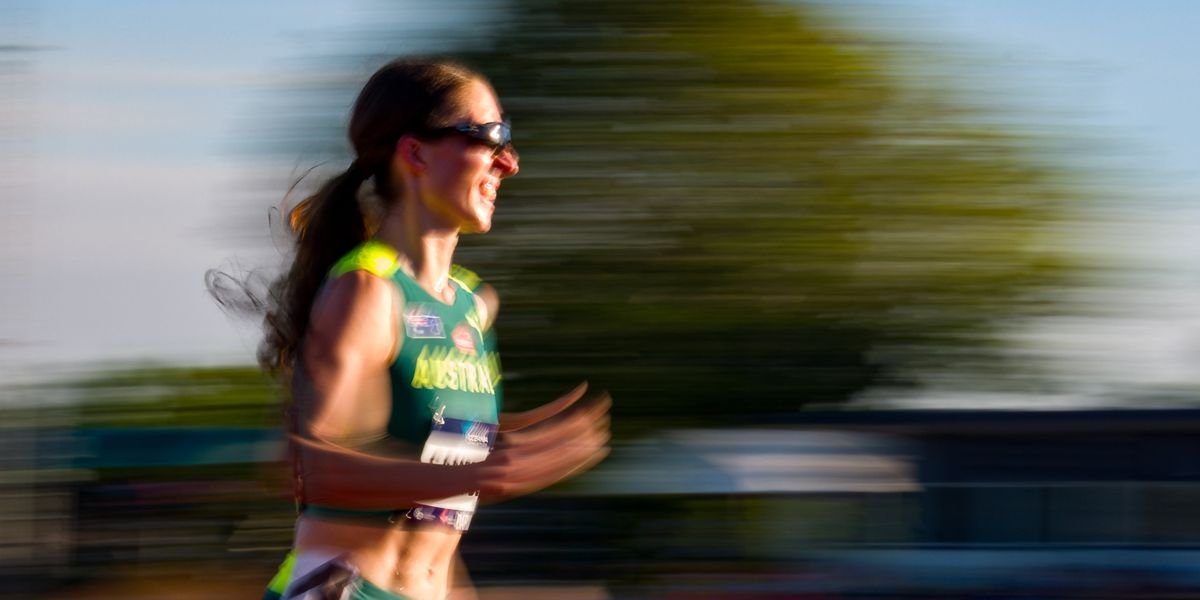
The voluntary guidelines encourage production teams to prioritise athletic achievement and technical prowess over shots that objectify competitors. Crews are urged to avoid prolonged close-up shots focusing on athletes’ bodies that detract from their sporting accomplishments.
The document advises against filming from low angles, particularly during events like pole vault, high jump, long jump, and sprints. Slow-motion replays are recommended only when they enhance the technical aspects or contribute meaningfully to the narrative of the sport.
Killane emphasised the issues of lingering shots and excessive slow-motion replays that serve no storytelling purpose. The guidelines instead advocate for wider camera angles that capture complete athletic movements, including approach runs and landing techniques.
Bradshaw revealed that camera positioning can disrupt an athlete’s concentration during competitions, leading to distraction as they become aware of filming equipment rather than focusing on their performance. “Many athletes, myself included, have been in competitive scenarios where they are more focused on the cameras instead of their own performance,” she noted.
The retired pole vaulter also shared her experiences with online harassment linked to broadcast footage, stating, “I first-hand have received social media abuse and witnessed inappropriate videos online of myself and colleagues.” She underscored the need for competitors to enjoy their sport without anxiety over live coverage.
Spanovic pointed to concerns extending beyond distraction, mentioning the potential physical risks from camera placements during warm-ups. She remarked, “Certain camera angles not only cause discomfort for athletes and distractions during competition but can also have serious long-term effects on mental health.” Killane warned that poor filming choices “risk perpetuating harmful stereotypes” and influence public perception of female athletes.
While the recommendations represent a proactive step towards improving the representation of female athletes, they carry no penalties for non-compliance, as they remain voluntary rather than mandatory regulations.
European Athletics president Dobromir Karamarinov called the filming guidelines “a crucial step toward eliminating harmful portrayals of women in our sports.” The move highlights the ongoing conversation about gender representation and the responsibility of broadcasters in shaping audience perceptions.