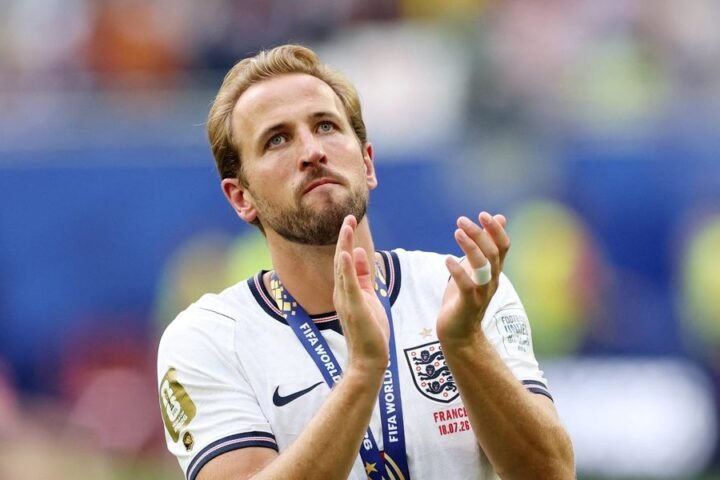
England and Argentina set for World Cup semi-final clash
England and Argentina will renew one of football’s most storied rivalries tomorrow evening when they contest a place in the 2026 World Cup final at Atlanta’s Mercedes-Benz Stadium, reports BritPanorama.
This match marks the first competitive encounter between these nations in more than two decades, with their last meeting being a friendly in Geneva back in November 2005.
While England triumphed 3-2 in that match, the context of Wednesday’s semi-final carries far greater significance. The Three Lions have managed to secure victories in their last two encounters against the South Americans; however, historical precedent often favours Argentina in high-stakes situations.
The Federal Bureau of Investigation has designated the match as “highest risk” due to concerns about potential supporter confrontations. This backdrop adds an extra layer of tension to a fixture already steeped in history.
The roots of this fierce rivalry extend beyond football, tracing back to the Falklands War in 1982 when Argentine forces seized the British Overseas Territory. Britain dispatched a military task force to reclaim the islands, resulting in a conflict that lasted ten weeks and claimed over 900 lives, leaving lasting scars on both nations.
Before the Falklands, encounters between these teams were competitive but unremarkable. However, the war transformed the landscape of their matches into charged confrontations, bound by political connotations and emotional weight that transcended mere sport.
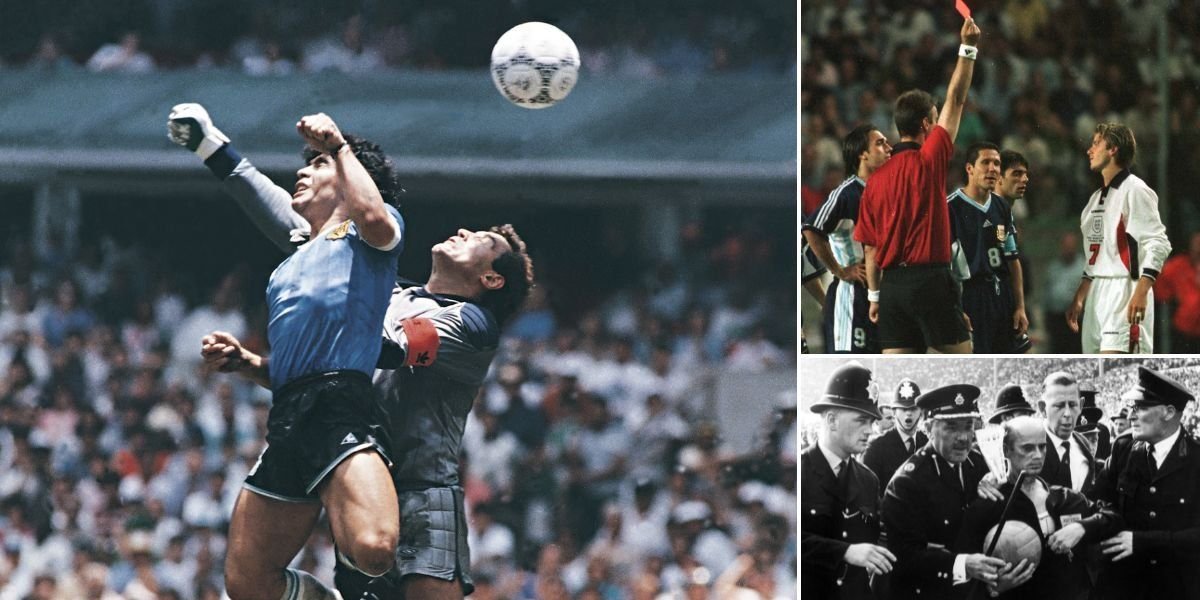
Crucially, the genesis of the modern rivalry can be found in the quarter-final of the 1966 World Cup. Argentina captain Antonio Rattin was controversially sent off by West German referee Rudolf Kreitlein—miscommunication ensued, exacerbated by language barriers. This incident not only affected the match but also contributed to the broader narrative of animosity.
When the teams next faced off in the 1986 World Cup quarter-finals, Diego Maradona delivered a performance that would define this rivalry. His infamous “Hand of God” goal and the subsequent “Goal of the Century” led Argentina to a 2-1 victory, further embedding the competitive history.
Subsequent fixtures, including the contentious moments surrounding David Beckham’s red card in 1998, have only deepened the resentment and intrigue between the nations. Beckham’s moment of folly turned him into a scapegoat before redeeming himself in 2002, when he scored the decisive penalty in a group-stage match against Argentina.
As England prepares to face Argentina once more, the stakes are undeniably high. Tomorrow evening could mark the dawn of a new chapter in a storied rivalry, where history and football interlace on a global stage.