Iran and US exchange fire as tensions escalate
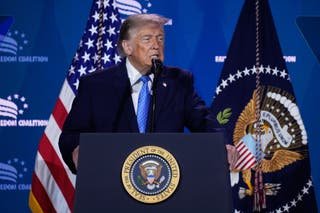
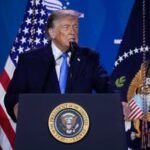
U.S. President Donald Trump announced on Friday that Iran had requested to continue negotiations, with the U.S. agreeing to this request; however, he emphasized that the ceasefire is no longer in effect, reports BritPanorama.
This declaration followed the emergence of a violent week in the region, during which three Qatari and Saudi commercial tankers came under fire. In response, the U.S. launched strikes against Iranian targets, prompting Iranian forces to retaliate against U.S. military bases in neighboring Gulf states on Thursday.
In a post on Truth Social, Trump stated, “The Islamic Republic of Iran has asked us to continue ‘talks.’ We have agreed to do so, but the United States has stated to them, in no uncertain terms, that the Cease Fire is OVER!”
Efforts to mediate tensions are currently underway, with Qatari officials meeting Iranian counterparts on Friday. The discussions focus on reducing hostility and addressing navigation routes through the strategically vital Strait of Hormuz, a source familiar with the situation told Reuters.
Notably, daily tanker traffic in this crucial shipping route has decreased amid the recent flare-ups, raising alarm over the potential implications for global oil supplies. This situation underscores the vulnerabilities inherent in the interim ceasefire.
The negotiations are intended to clarify and implement a U.S.-Iran memorandum of understanding, which outlines guidelines that have come under strain due to ongoing disputes over navigation in the strait.
Further complicating the matter, Iran’s semi-official Tasnim news agency reported that a Qatari delegation’s visit was part of efforts to solidify Doha’s role as a mediator, following allegations leveled against Iran regarding earlier incidents in the waterway.
While oil prices eased on Friday, they remain poised for a weekly increase of 5%, marking the continued impact of these tensions on the market.
Additionally, questions linger around unclaimed airstrikes that hit Iranian targets subsequent to U.S. actions, suggesting that other players may be involved in the ongoing conflict.
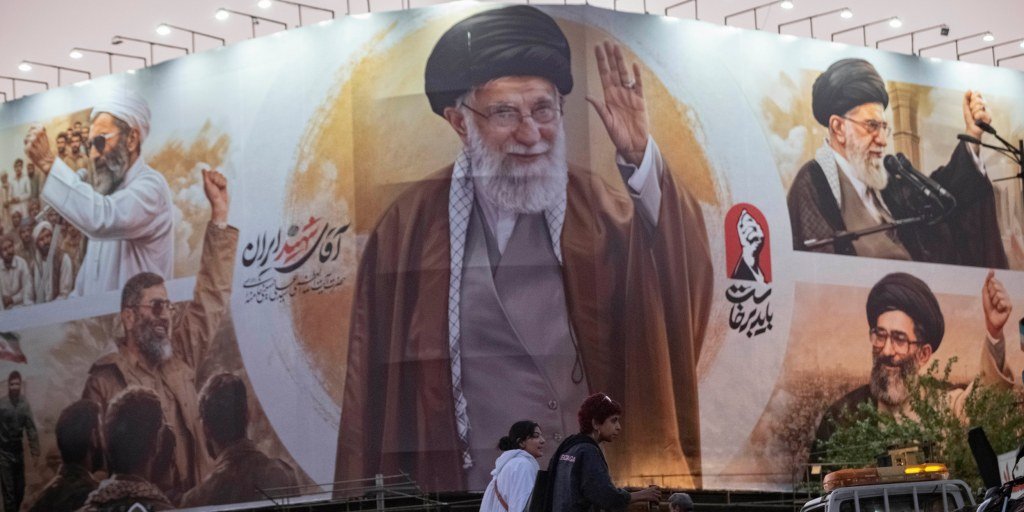
The strikes executed on Thursday coincided with Iran’s preparations for the funeral of the late Supreme Leader Ayatollah Ali Khamenei, impacting various locations across southern Iran. While the Iranian government has refrained from directly attributing these strikes to any party, a lawmaker has warned the United Arab Emirates against its supposed support for the U.S. efforts against Iran.
As regional tensions rise, Gulf Arab states, previously targeted by Iran throughout the conflict, have not yet responded to inquiries regarding the strikes. Meanwhile, Israel, which has been implicated in the broader conflict with Iran, has not claimed responsibility for any recent attacks.