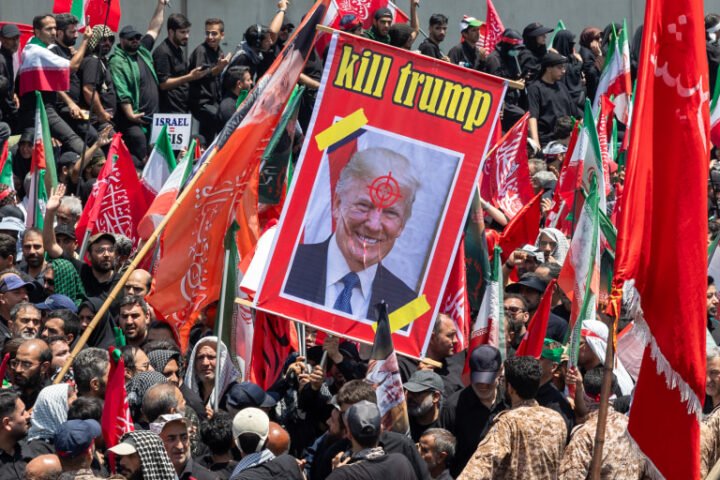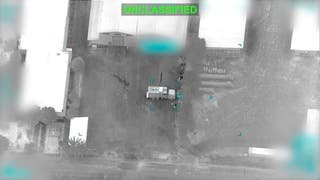
The US launched more strikes on Iran less than 24 hours after President Donald Trump threatened to “decimate and destroy” the country in the event of his assassination, inviting retaliatory attacks on its facilities across the Gulf, reports BritPanorama.
“Iran made a poor choice. Now they pay,” Defense Secretary Pete Hegseth said on Saturday night, after Centcom confirmed its forces conducted strikes in response to an alleged Iranian attack on a container ship in the Strait of Hormuz.
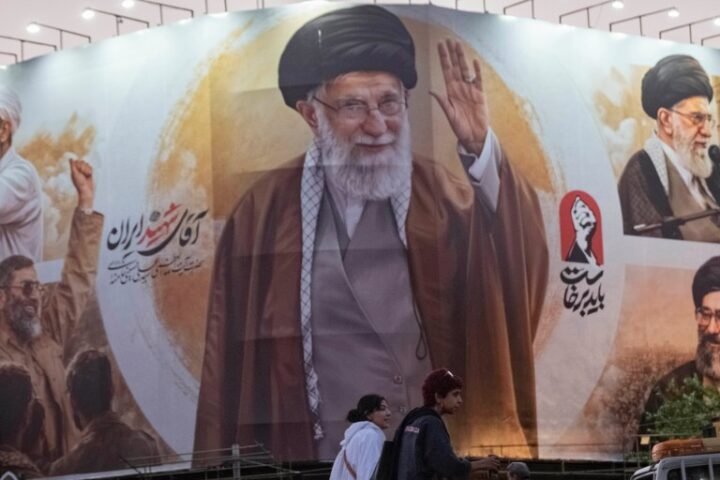
The attack occurred just hours after Supreme Leader Mojtaba Khamenei vowed revenge for the death of his father and predecessor at the war’s outset.
In his first statement since the funeral of Ayatollah Ali Khamenei, the supreme leader stated that revenge for his father’s assassination on February 28 “will most certainly be carried out.”
The latest round of fighting saw the US military targeting approximately 140 Iranian sites, including missile and drone installations, communication networks, and coastal surveillance locations, according to Centcom.
In retaliation, Tehran launched missile and drone strikes on US aircraft carrier support and refueling platforms at Duqm port in Oman, as well as military facilities linked to the US across the Gulf.
The current escalation follows a series of aggressive exchanges. The US military’s strikes were prompted by an Iranian attack that set a Cyprus-flagged container ship ablaze, leading to the abandonment of the vessel by its crew; one crew member is currently unaccounted for.
Iran has escalated its operations, reportedly attacking several targets in Bahrain, Kuwait, Qatar, and the United Arab Emirates, with alerts sounding in these regions. Kuwait’s armed forces confirmed they were intercepting hostile aerial targets, urging the public to heed official instructions.
Moreover, the Revolutionary Guard of Iran asserted that vessels disregarded warnings in the Strait of Hormuz, with one allegedly struck by a “warning shot.” Iran has declared that the strait would remain closed “until further notice” and threatened further action against “enemy bases” in the region should aggression persist.
The situation remains tense, with calls for diplomatic solutions overshadowed by an increasingly hostile environment. As military operations continue, the potential for broader conflict raises concerns among international observers.
To date, this series of exchanges underscores the precarious balance of power in the region, with both sides entrenched in their positions, complicating efforts for de-escalation amidst interspersed periods of volatile exchanges.