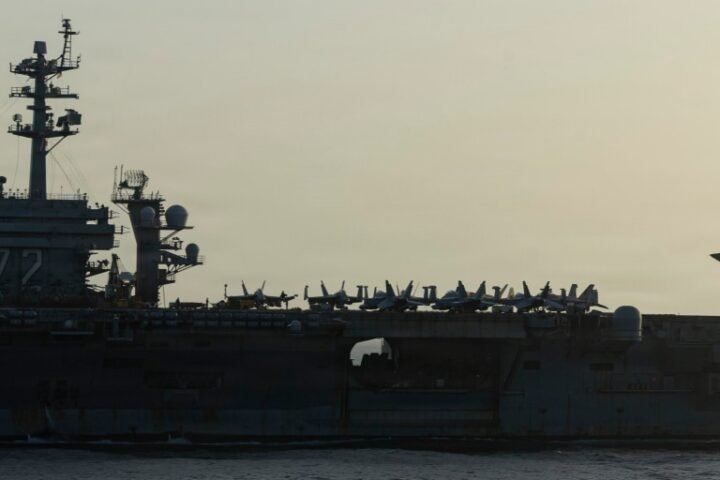
Traffic through the Strait of Hormuz came to a near standstill after the US carried out a second day of strikes on Iran, raising fresh doubts about the fragile truce between the two sides, reports BritPanorama.
Only two tankers sailed through the strait in the early hours of Thursday, while the US-supported Omani corridor was devoid of observable traffic. Shipping industry sources indicated that vessels were increasingly switching off their public AIS tracking transponders, complicating visibility of ship movements.
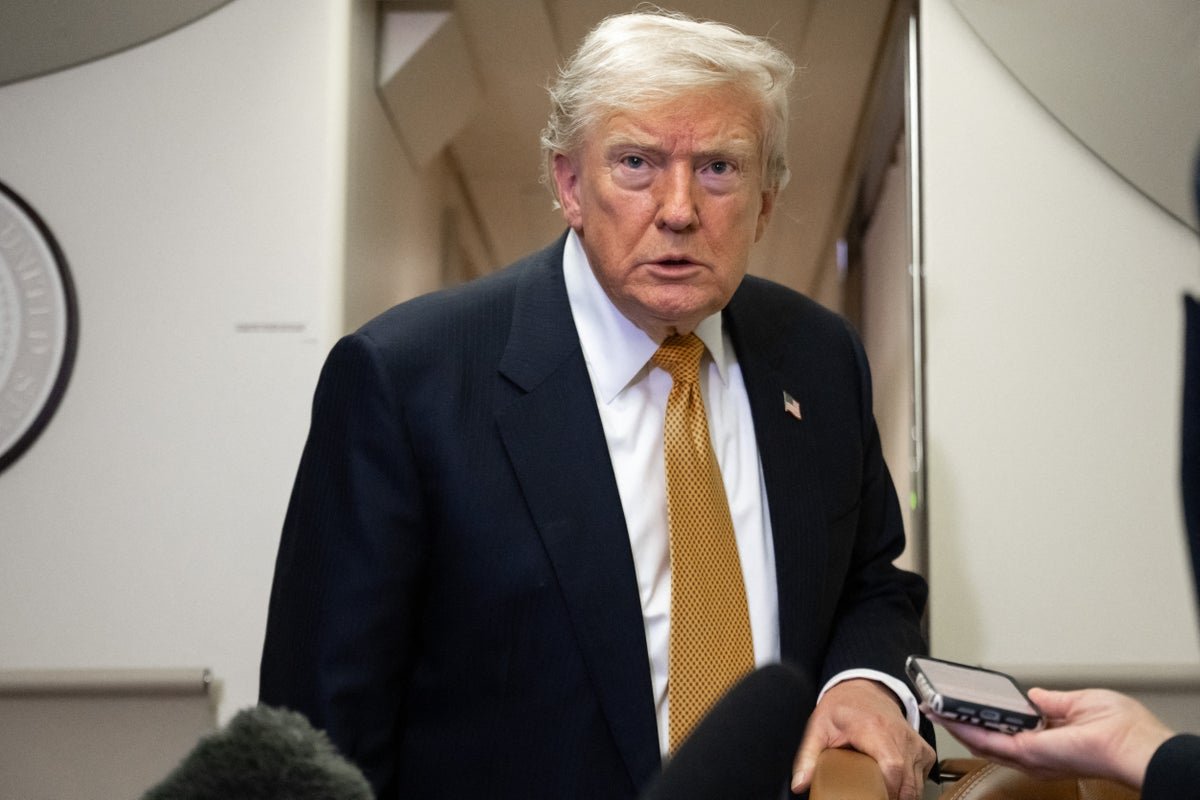
Meanwhile, Israeli officials reportedly informed US authorities about an alleged Iranian plot to assassinate President Donald Trump. The intelligence shared suggested a new plan to target the US leader, according to sources familiar with the situation.
Trump has been a target of threats since a previous airstrike that killed Qassem Soleimani, head of Iran’s Quds Force. In response to inquiries about the latest threats, the White House pointed to Trump’s own remarks: “They want to take out the US leader – me. And so far, I guess I’ve been a bit lucky, but maybe that doesn’t last very long.”
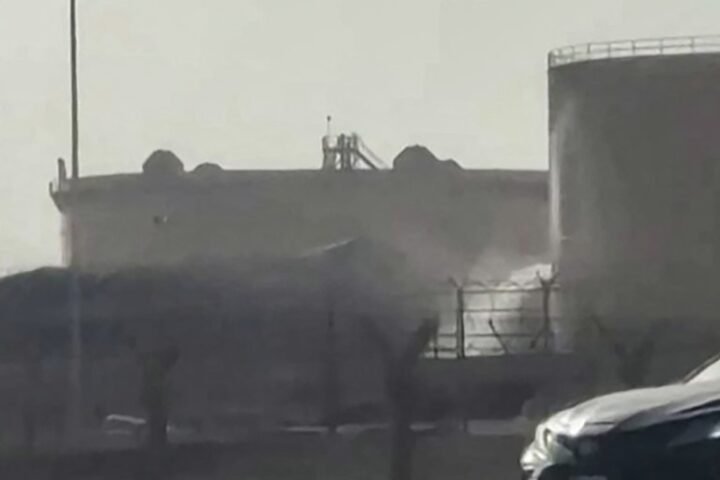
Iranian armed forces launched attacks on US military infrastructure in Gulf states on Thursday following US strikes on Iran’s southern and eastern provinces, further eroding a three-week-old ceasefire. Reports from Iranian media indicated multiple explosions across southern Iran, specifically in Bushehr, where one of the country’s nuclear facilities is located.
Despite the renewed hostilities, a US official stated late Thursday that there had been no American strikes in recent hours. Meanwhile, the foreign ministers of Turkey and Oman expressed the necessity to avoid further military escalation during separate discussions with Iran’s Foreign Minister Abbas Araqchi.
Ship tracking data indicated that more LNG tankers resumed transiting the Strait of Hormuz in recent days, with 22 vessels linked to Japan leaving the Gulf since Tuesday, demonstrating some continuity in maritime activities despite the escalating conflict.
The ongoing tensions highlight the complexity of the situation, underscoring the fragile state of relations and the potential implications for global energy markets and regional security. With the situation remaining fluid, observers are keenly watching for further developments and responses from the involved parties.