Ukrainian drones struck Russian oil facilities and ignited two oil tankers in the Sea of Azov on Thursday, shortly after President Donald Trump committed to providing Kyiv with a license to produce Patriot air defense systems to safeguard its cities, reports BritPanorama.
A Ukrainian official cautioned that domestic production of the Patriot interceptor missiles might take a year or more to establish. The escalating strikes have compounded existing fuel shortages in Russia, with long lines forming at gas stations amid increased rationing in various regions.
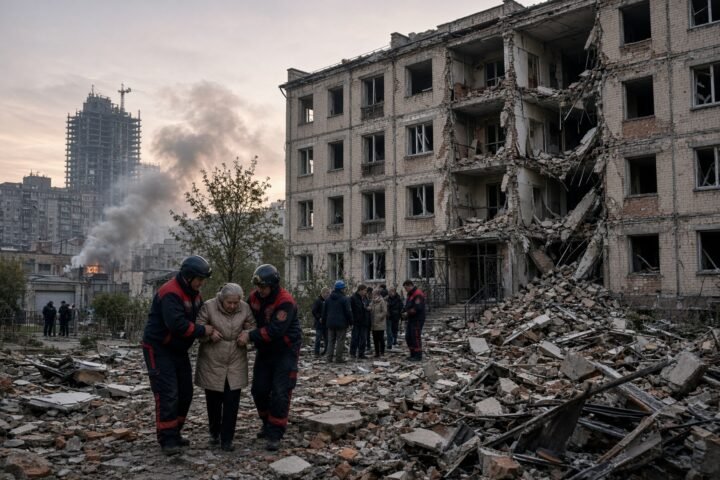
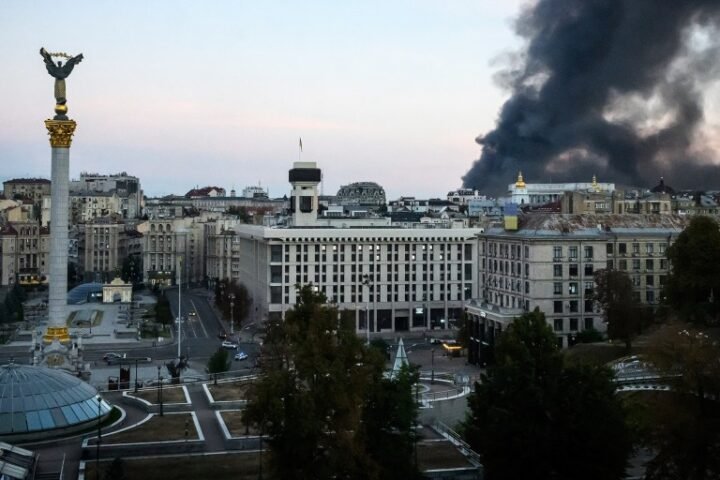
Moscow’s response has involved intensified bombardments of Ukrainian cities, underscoring vulnerabilities to ballistic missile attacks. Ukraine’s operations against Russian oil infrastructure were characterized by Ukrainian President Volodymyr Zelenskyy as a tactical measure in their campaign of “long-range sanctions.”
Zelenskyy stated, “We have long proposed that Russia end this war, and every day of delay should bring the feeling of war to where it all began — to Russia.” Ukrainian attacks also extended to oil depots further in western Russia, including incidents in Tver and Vyazniki, compelling evacuations near operational strikes.
Additionally, Ukrainian forces targeted key infrastructures in Ufa and the Rostov region. As reported, Russia’s Defense Ministry claimed to have intercepted 73 drones in the previous 24 hours, while Ukraine’s air force noted damage inflicted across 13 locations as a result of Russia’s retaliatory strikes.
Ukraine says its Patriot production will take months
During a meeting on the sidelines of the NATO summit, President Trump confirmed U.S. support for Ukraine’s efforts, stating that a license for producing the Patriot systems would be forthcoming. This represents a shift in Trump’s previous stance towards Zelenskyy, whom he suddenly lauded for an “amazing job.”
However, setting up production is expected to be a lengthy process, with challenges related to the time required for some subcontracted components, which may vary from 12 to 24 months. Media reports have highlighted potential bottlenecks due to limited global output of critical components necessary for production.
The Pentagon has initiated contracts to enhance production capabilities, although details on the timeline for these improvements remain unclear, according to defense sources.
Kremlin says Ukrainian strikes won’t hasten peace
In response to discussions surrounding U.S. military aid, Kremlin spokesman Dmitry Peskov noted what he termed America’s “ambivalent” position on the conflict. He acknowledged the U.S.’s desire to contribute to a peace process, albeit with reservations about its effectiveness.
Peskov further remarked, “It’s a mistake to think that escalation and military pressure could pave the way to a peaceful settlement,” reiterating that increased military activity from Ukraine would compel Russia to expand its security framework in Ukraine.
In the ever-evolving conflict, the Ukrainian response and Russia’s countermeasures set the stage for heightened tensions, with the prospect of an enduring military engagement looming large.