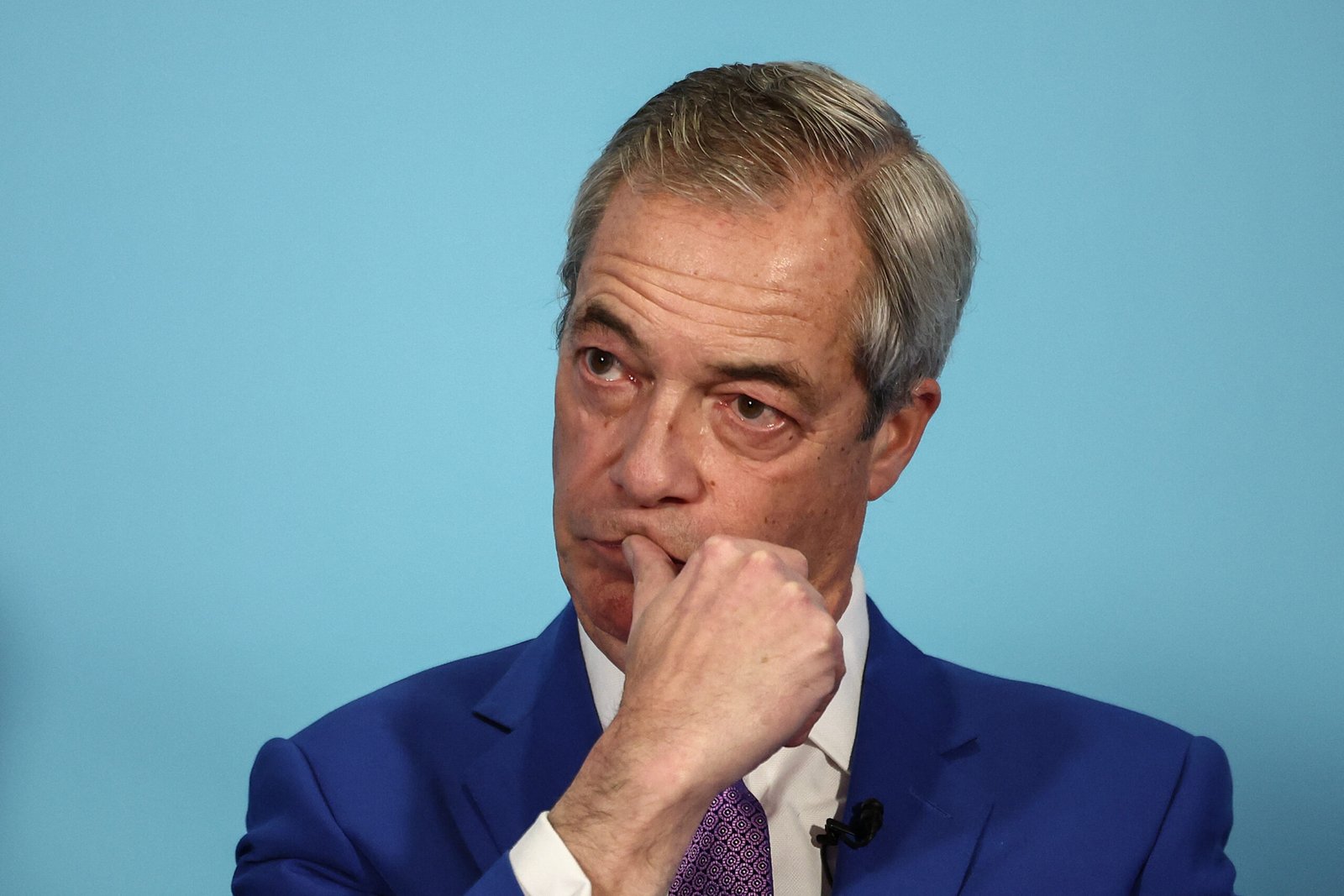
Nigel Farage has announced his resignation as an MP, triggering a by-election in Clacton, a move that is expected to spark a contentious political summer, reports BritPanorama.
His decision has drawn a mix of reactions; supporters view it as a strategic masterstroke, while opponents consider it a ploy that backfired with the subsequent boycott by other major parties.
Farage’s resignation comes as he aims to reclaim his seat, with betting markets suggesting he is highly likely to win back his Clacton constituency. The by-election, he argues, will not only restore his position in Parliament but also serve as a rebuttal to scrutiny surrounding his financial dealings, particularly the £5 million payment he received from a cryptobillionaire.
Winning the by-election would provide Farage with leverage to dismiss ongoing allegations about his conduct: “I don’t need to prove myself to you. The voters are my judge, and they just backed me overwhelmingly.” The move is seen as a strategic distraction from recent controversies, positioning him back in the public eye where he feels at home.
However, the boycott by the opposition raises questions about the validity of his strategy. With other parties refusing to contest the by-election, Farage, characterising them as “chickens,” now faces the danger of his comeback becoming a spectacle dominated by the comedic figure Count Binface, who’s positioning himself as the voice of anti-Farage sentiment.
The odds for Count Binface have shifted dramatically from 50-1 to 5-1, illustrating how the by-election landscape has changed. Though he may not be a serious contender, the imagery of Farage campaigning against a novelty candidate could undermine his political credentials.
As he moves forward, Farage is aware that he will still face scrutiny upon returning to Westminster, including a Parliamentary standards probe. He is preparing for the possibility of facing a second by-election if the standards committee takes significant action against him.
Despite these challenges, Farage intends to leverage his experience and charisma in campaign activities throughout the summer. Yet, as his rivals sit on the sidelines, the risk remains that his campaign could devolve into a farce, raising doubts about his political future.
Ultimately, his gamble could either solidify his reputation or render him a figure of ridicule, leaving observers questioning the effectiveness of his political manoeuvres.
The coming weeks will reveal whether Farage can once again turn the tide in his favour, or if he risks becoming the punchline of a heightened political drama.
As the dynamics of British politics continue to shift, Farage’s actions illustrate the complex interplay between ambition, scrutiny, and public perception in an evolving democratic landscape.