Wreckage found after fatal Boeing crash off Pakistan
Wreckage has been found after a Boeing plane nosedived 5,000ft in seconds and crashed into the sea, with all five crew feared dead, reports BritPanorama.
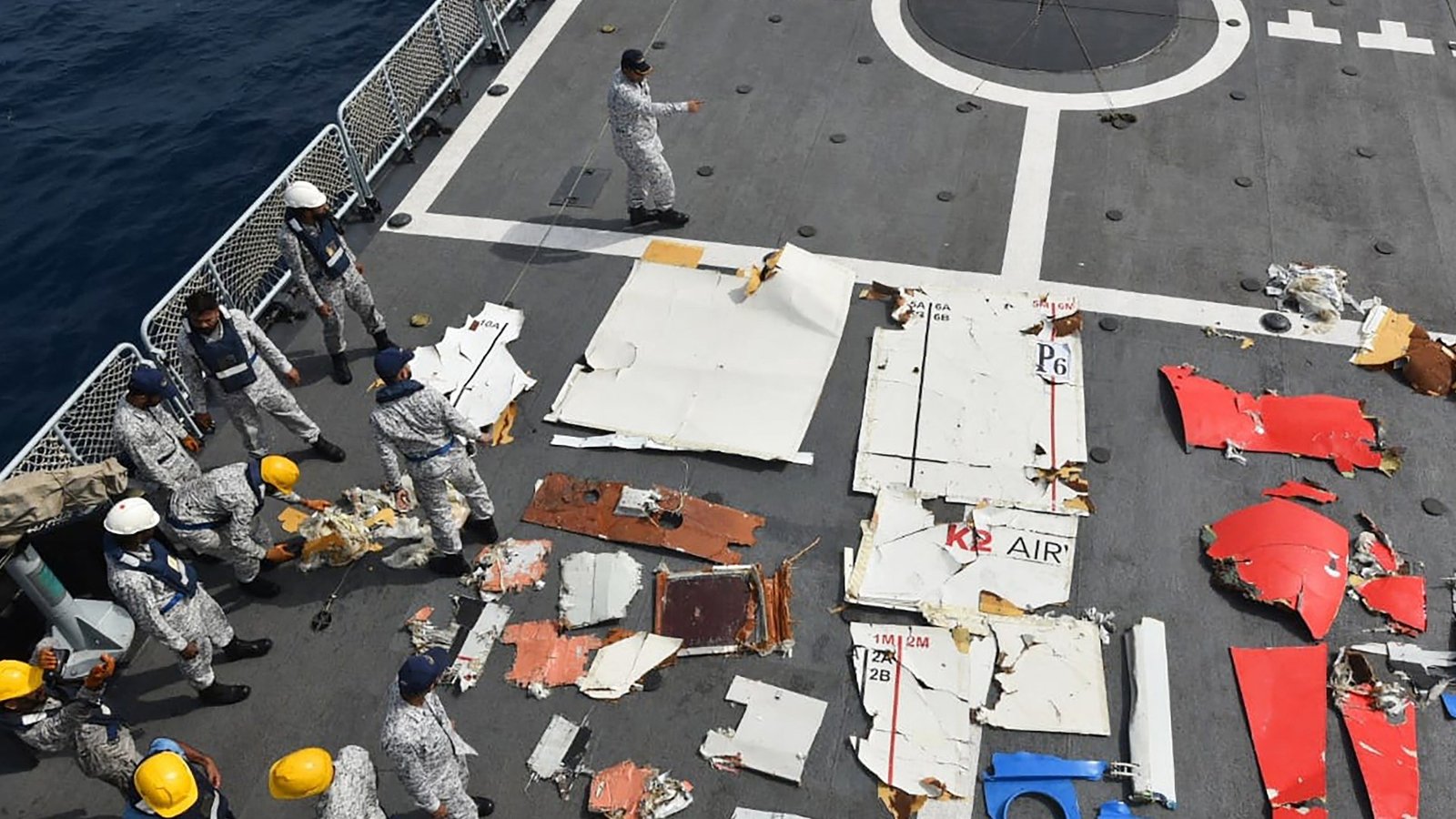
Pakistani authorities confirmed the recovery of parts of the K2 aircraft just one day after it lost contact with air traffic control and vanished without a trace. The Boeing 737 rapidly descended off the coast of Pakistan after aviation authorities reported a navigational system issue.
The Pakistani navy and search teams managed to find debris after approximately 12 hours of searching in the Arabian Sea. Images released by rescue services showed large pieces of fuselage being lifted out of the water. Rough seas have complicated search efforts, and authorities are continuing to search for the main wreckage of the aircraft, which is located in waters approximately 9,800ft deep.
K2 Airways named the missing crew as Captain Muhammad Rizwan Idris, First Officer Faisal Jatoi, flight engineers Muhammad Hamid and Muhammad Arif Siddiqui, and aircraft loader Muhammad Taufiq Khan. The airline expressed concern for its crew members, stating, “We continue to pray earnestly for the safety of our colleagues.”
The aircraft’s descent was significant, with tracking data revealing that it plummeted from an altitude of 36,550ft at a speed of 240mph, dropping around 5,000ft in less than a minute. The last transmitted data indicated the plane was 155 nautical miles west of Karachi over the Arabian Sea when communication ceased.
Local media reports indicated that the sudden descent does not align with typical engine failure scenarios. Aviation specialist Imran Aslam remarked, “I still cannot understand how the plane went down so abruptly instead of gliding.”
K2 Airways, which operates its only aircraft, a Boeing 737 that entered service in 2024, is cooperating fully with the Pakistan Civil Aviation Authority and other relevant government agencies. This incident marks the first potential fatal crash in Pakistan since 2020. If confirmed, it raises serious concerns about aviation safety in the region, mirroring past tragedies where human error was determined to be a contributing factor.
In summary, the crash underscores ongoing challenges within regional aviation management and the implications of navigational reliability for flight safety.
The intersection of technology, oversight, and human factors remains a critical area of focus, particularly as investigations proceed in this tragic incident.