Genetic research indicates that elite Scythians, such as the “Golden Man,” inherited power and status, creating a notable social stratification that was absent in earlier Bronze Age populations. This discovery reveals how familial connections influenced rulership among these nomadic warriors during the Iron Age, reports BritPanorama.
Researchers analyzed DNA from 85 individuals across several burial sites, identifying clear familial linkages among Scythian elites, despite geographic distances. The findings showcase that social inequalities were emerging during this period, marking a pivotal change in the social structure of the Scythians. Detailed findings were published in the journal Science Advances.
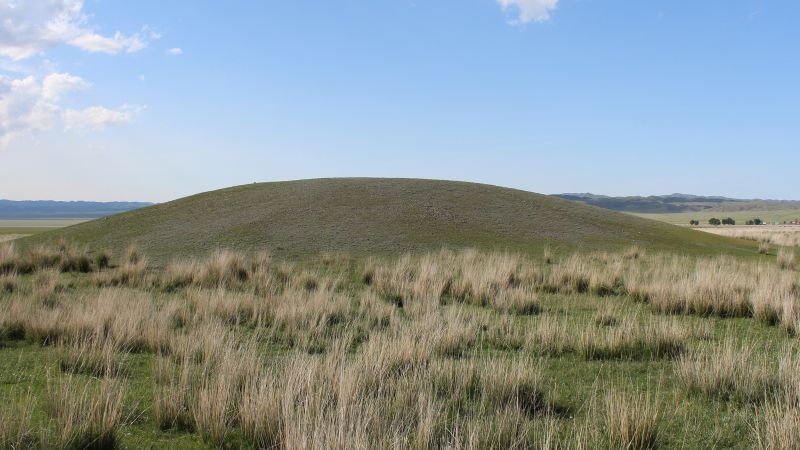
The Golden Man’s burial mound, known as a kurgan and dating between 400 BC and 300 BC, was excavated in 1969 in Kazakhstan. Initial investigations into the youth’s gender raised uncertainties; however, recent DNA analysis strongly suggests he was genetically male and a member of the southern Saka subgroup of Scythians.
While earlier references to the Golden Man’s identity fueled debates over gender, recent research has leaned towards confirming male identity through extensive genome analysis. Researchers utilized advanced statistical methods to address gaps in genetic data, affirming connections to Scythian DNA samples.
Alicia R. Ventresca-Miller, an associate professor of anthropology not involved in the study, praised the integration of genetic and archaeological data, stating, “This paper does a fantastic job of integrating genetic, archaeological, and textual findings to support their interpretations of lineage-based status.”
Her comments emphasize the significance of lineage-based elite status, suggesting wealth, power, and social standing were hereditary within Scythian society rather than earned. This insight has altered perceptions of Scythian hierarchies, indicating a structured application of elite status.
Emerging dynastic rule
The study highlights genetic similarities in elite DNA known as runs of homozygosity, pointing to shared ancestry that reinforces the notion of social stratification. Elite kurgans were not only grand burial sites but also indicators of the genetic continuity maintained by these groups amidst broader population intermingling during the Iron Age.
Some elite burial sites reached significant dimensions, showcasing elaborate designs, which included side chambers and complex passageways for both human and animal remains. Research indicates that such elaborate preparations were part of a time-consuming burial process, necessitated by the cultural practices of the Scythians.
Ainash Childebayeva, the senior author of the study, noted the significance of these elaborate burial rituals, stating, “It would make sense if one had to build a mound to bury this individual, or if they had to be transported to a specific location where they would be buried.”
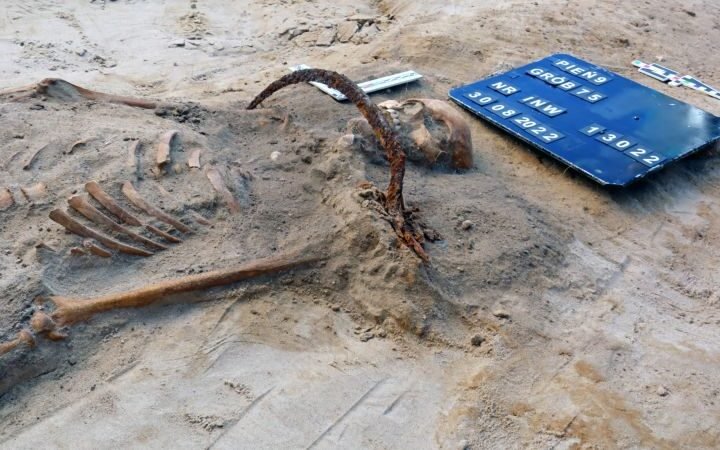
In one notable burial, an elite man and his grandchildren were laid to rest in kurgans over 60 miles apart, illustrating the intricate connections linking elite individuals across regions. One such grandchild who received a notable burial was only one year old, an indication of hereditary privilege rather than earned merit.
Women of high status
Further examination revealed that nearly half of the 38 elite individuals studied were female, with their burial sites including artifacts suggesting significant roles within their societies. The discovery aligns with findings concerning the roles of women in Eurasian cultures, reinforcing the idea of women’s influence and wealth within these nomadic societies.
Ventresca-Miller pointed out parallels with other findings, highlighting the prominence of women in wealth and status during the Bronze Age. She noted that, among the Xiongnu, a later nomadic group, women held high status comparable to men.
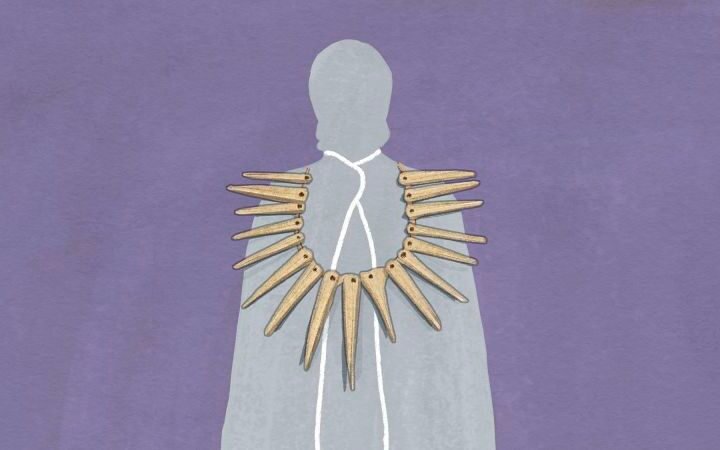
One female elite, termed the “Princess of Urdzhar,” was interred with a notable headdress similar to that of the Golden Man, suggesting possible shamanic or ceremonial duties. Childebayeva remarked on the complexities of status within these societies, indicating that future work would further investigate the roles held by women in Scythian culture.
Childebayeva expressed a desire to explore further the factors contributing to the development of an elite, dynastic class among the Scythians, questioning why this shift occurred during the Iron Age compared to the more egalitarian Bronze Age.
Continued research into these genetic and archaeological connections will likely reveal further insights into the dynamics of power and social structure within the Scythian civilizations of the past.