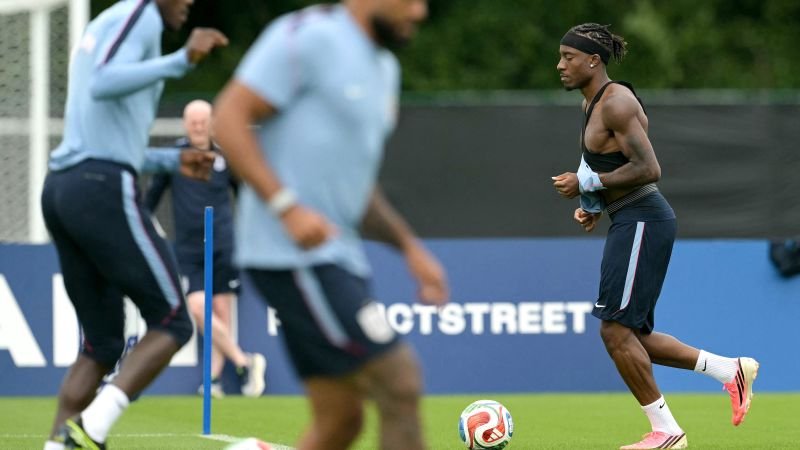
At the 2026 FIFA World Cup, elite athletes are embracing advanced wearable technology to enhance their performance. Players are utilizing various devices, including WHOOP fitness bands, Oura Rings, and sweat patches, to monitor health metrics and improve recovery and performance, reports BritPanorama.
This tournament showcases how the thin margins of victory compel teams to fine-tune their training and recovery processes using biometric data. By analysing metrics such as sleep quality, heart rate, and body temperature, athletes aim to maximise their potential on one of the world’s biggest stages.
Dr. Justin Mullner, a sports medicine physician and head primary care sports physician for Orlando City SC and Orlando Pride, noted, “Most professional athletes are looking for every percentage point of data that might help give them a competitive advantage.” The data gleaned from wearables can inform players about their recovery patterns, allowing them to make necessary adjustments.
While commercial wearables provide valuable information, Mullner pointed out that elite athletes often combine this data with other monitoring systems, such as clinical exams and laboratory tests. He indicated that while wearables yield significant insights for everyday athletes, they only represent a small piece of the overall performance puzzle.
Technology as part of the game
Mullner explained that the data facilitated by wearables enables athletes to respond proactively to changes in their health. One key innovation at the World Cup is the Gx Sweat Patch, which provides players with personalised hydration insights by measuring sweat rate and electrolytes lost during play. Roozbeh Ghaffari, the CEO of Epicore Biosystems, which develops the sweat patches, explained the technical workings, noting the utility of the patches in optimizing hydration strategies.
Training camps in the lead-up to the tournament saw athletes equipped with futuristic patches to assess their hydration needs accurately. The patches provide real-time data, empowering players to make informed decisions about their hydration and recovery.
Sweat patches
As teams prepare for the intense competition, sweat patches have begun to be integral to ensuring athletes remain at optimal hydration levels. “Earlier this year, the Gatorade Sports Science Institute worked extensively with the Brazilian national team, conducting sweat testing with players to generate personalized hydration insights,” Ghaffari stated.
These insights are crucial as heat and hydration management become increasingly vital in the steamy conditions expected during the tournament. The collaboration between Gatorade and Brazilian players highlights the pivotal role of technology in this high-stakes environment.
Fitness bands
The WHOOP fitness band has emerged as a popular tool among players. It accurately tracks metrics such as sleep, heart rate, and strain, providing coaches and sports scientists with in-depth insights into athletes’ physical states. Greg Grosicki, a data scientist from WHOOP, emphasised the importance of this data in maintaining performance, particularly for teams like England navigating multiple time zones during the competition.
Grosicki remarked, “Travel and sleep disruptions can have a significant impact on any athlete’s performance,” referring to studies showing heart rate variability could drop significantly on travel days. This underscores the importance of real-time data in managing player readiness and fatigue.
Smart rings
The Oura Ring has also made its mark, particularly with the US Men’s Soccer Team, which received them as part of a partnership with the brand. While not mandatory, players have the option to wear the rings, which can assist in monitoring vital health metrics that affect training efficacy.
These include recovery indicators and readiness scores, which help athletes optimise their training schedules and recovery periods. By identifying patterns in sleep quality and physiological metrics, coaches can better support their athletes in navigating training and match demands.
Performance vests
Additionally, GPS tracking systems embedded in performance vests are in use across several teams, including England and Scotland. These vests monitor physical data in real-time, providing insights into players’ workloads and fatigue levels. Phil Keehne from STATSports highlighted the revolutionary aspect of monitoring player performance metrics live, indicating that real-time data enables proactive decision-making during matches.
“England are among those teams whose performance staff will have a live dashboard updating in real time as the game unfolds,” Keehne explained. This approach allows teams to adjust strategies swiftly based on athlete performance data, a critical advantage in a tournament with an unprecedented number of matches.
The metrics you can leverage
For casual athletes, there are significant benefits to leveraging similar wearables, particularly in understanding their metabolism and recovery. “Monitoring trends in your own health data over time can be helpful in revealing whether you may benefit from changes in your exercise or sleep schedules,” noted Jud Ready, a research engineer at Georgia Tech.
Sleep quality is crucial for performance, given that lack of proper rest can lead to poor recovery. Professionals in the industry, such as Dr. Douglas Casa, advocate for the use of sleep tracking to inform training and recovery plans.
As athletes adopt technologies that provide insight into their physical health, trends may offer a pathway for optimising performance based on individual data. Whether for professional training or casual fitness routines, the data gleaned from wearables can provide actionable insights crucial for improvement.
This growing reliance on technology illustrates the evolving landscape of sports science, where the integration of data and athlete monitoring is reshaping how performance is approached at all levels. The intersection of biomechanics, technology, and human performance is a narrative that continues to unfold on fields worldwide.