Labour leadership nominations open as Andy Burnham poised to ascend
As nominations for the next Labour leader prepare to open, Andy Burnham appears set to run unopposed, potentially marking his ascendance to the premiership, reports BritPanorama.
The former mayor of Manchester is regarded as the only MP with the requisite support for a leadership bid, leading to widespread speculation about his implications for the future government. Many anticipate significant changes in the cabinet, particularly regarding Chancellor Rachel Reeves’ position, which Burnham is expected to overhaul.
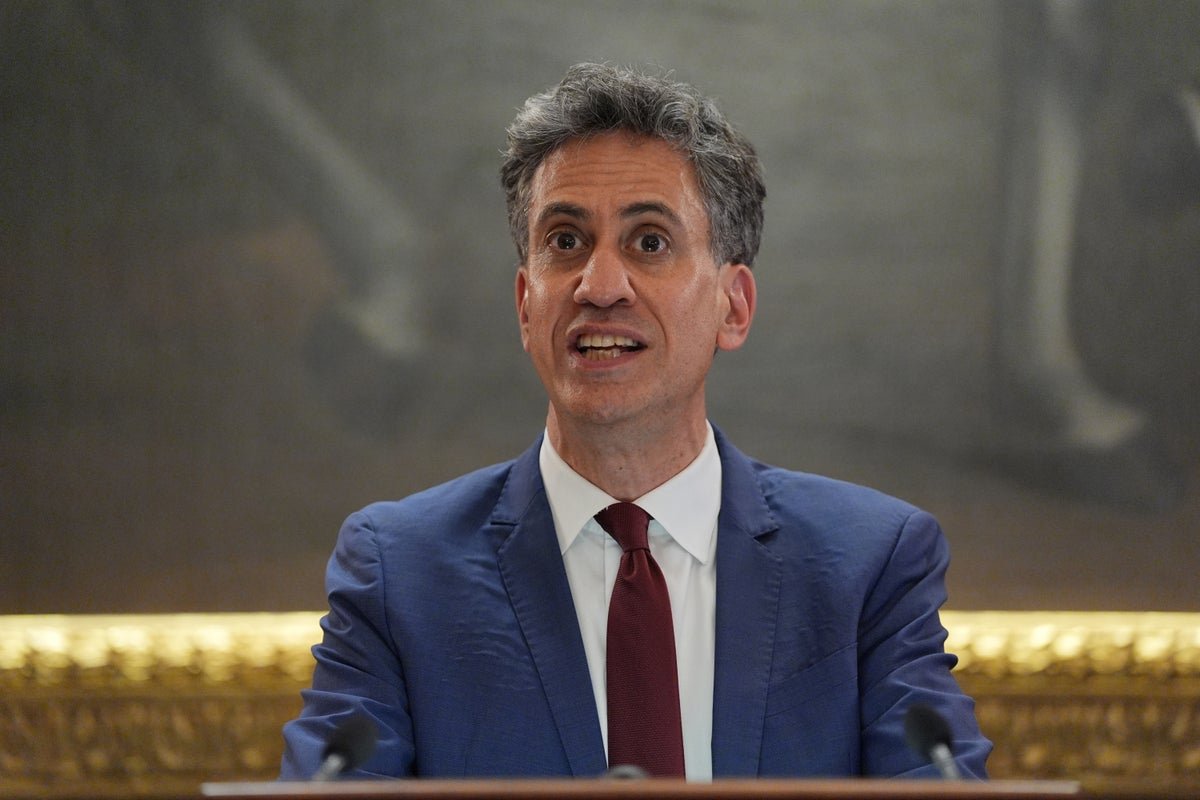
Among those considered for the chancellorship is former Labour leader Ed Miliband, noted for his strong alignment with Burnham’s policies. As energy secretary, Miliband has been a proponent of advancing the UK’s clean energy agenda, which resonates with the ethos of Burnham’s vision for enhanced public control over services.
Miliband has effectively championed policies aligned with Burnham’s vision, such as the ‘Great British Energy’ initiative, aimed at promoting greater public investment in renewable energy. This approach seeks to provide communities with enhanced control over local energy resources, presenting a contrast to traditional large-scale privatization models.
Laurie Laybourn, executive director of the Strategic Climate Risks Initiative, highlighted how this initiative empowers communities to establish and manage their renewable assets. He stated, “It’s an alternative to a failed large-scale centralised, privatised world,” which is crucial for achieving energy security.
For the past two years, Miliband has prioritised the UK’s clean energy capability as head of the Department for Energy Security and Net Zero (DESNZ), addressing vulnerabilities such as those exposed by the Ukraine conflict. His tenure has been marked by efforts to bolster national resilience against external shocks, deemed essential for maintaining energy independence and security.
Despite these advancements, Miliband faces critique from some union leaders concerned that aggressive net zero ambitions could jeopardise jobs in traditional energy sectors. Prior warnings from Unite’s general secretary, Sharon Graham, underscore the risks to employment without a robust transition strategy for workers in fossil fuels.
Moreover, financial markets may scrutinise Miliband’s record on public investment, raising concerns over potential increases in government borrowing that could deter investors. Nigel Green, CEO of deVere Group, noted that Miliband’s appointment could provoke immediate questions regarding taxation and economic growth implications.
In response to criticism, Miliband defended his tenure, stating, “I’m proud to have led a pro-business, pro-growth department,” emphasising the value of investment and partnerships in bolstering economic resilience during turbulent times.
Polling data further illustrates the political landscape, with a majority of MPs and the public supporting the economic strategies Miliband champions. Recent YouGov findings indicate robust backing for increased investment to enhance the UK economy’s resilience to future shocks, such as those from the ongoing conflicts abroad.
While nearly 80% of Labour MPs agree with the push for such policies, their implementation will hinge on Burnham’s choices for his cabinet, especially for the role of Chancellor. Figures from the party’s right, including senior minister Darren Jones and former Health Secretary Wes Streeting, are also in contention, adding complexity to Burnham’s upcoming decisions.
The selections made by Burnham in forming his government will serve as a crucial indicator of his vision for Britain, as the nation navigates through both political change and economic uncertainty.