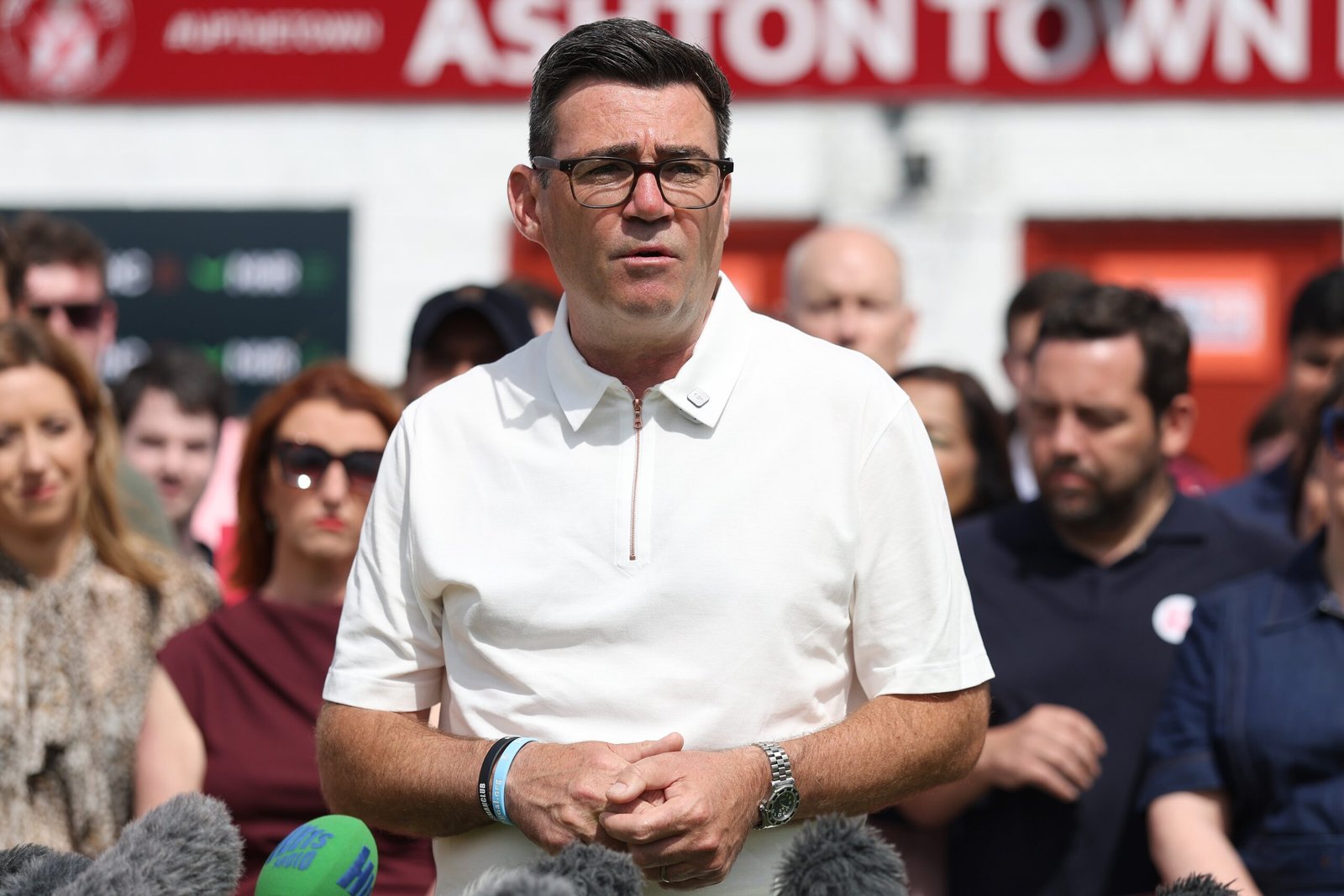
Andy Burnham is poised to become the next Prime Minister within weeks, facing a significant array of challenges that await his administration, reports BritPanorama.
Burnham was sworn into Parliament on Monday, following his victory in the Makerfield by-election last week. His ascension appears imminent, triggered by overwhelming support from Labour MPs that effectively led to Sir Keir Starmer’s resignation and Burnham’s anticipated “coronation” by July 17.
Downing Street has confirmed that Burnham will begin receiving government briefings from the civil service “as soon as possible.” Starmer has also arranged for prospective Labour candidates to meet with the Cabinet Secretary to discuss their plans for a “smooth transition” of power.
Despite initially expecting to have the summer to devise his government strategy, Burnham now has only a month to prepare for the responsibilities of the premiership. While Labour MPs enthusiastically embrace their new leader, he will soon confront pressing national concerns.
Among the foremost issues is immigration, a top priority for voters amid ongoing debates about both legal net migration and the escalating crisis of small boats crossing the Channel. Burnham has indicated support for reforms suggested by Shabana Mahmood aimed at reducing numbers and addressing Channel crossings. In a recent interview, he advocated for further reduction in immigration levels, aligning with the home secretary’s objectives, and noted changes that will lengthen the wait for migrants applying for benefits.
Defence
Defence funding represents another significant challenge. Allies of Burnham acknowledge that this will be one of the most difficult departments to finance, particularly with Sir Keir’s Defence Investment Plan reportedly stalled following his resignation. Burnham has endorsed plans for increased defence spending while indicating he would consider borrowing more to support the armed forces. Current proposals would elevate UK defence spending to only 2.86 percent, below the desired 3 percent goal, leaving uncertainties about which taxes might be raised or welfare cuts enacted to fund this adjustment.
Welfare
Addressing the welfare bill, which is projected to escalate to £400 billion by the end of the decade, is complex and politically fraught. Burnham’s previous opposition to attempts at welfare cuts during the Starmer regime garnered support from the party’s left, but he has since suggested the need for a different approach to welfare reduction. Balancing the unpopularity of potential cuts against an unsustainable welfare bill will pose a significant dilemma for his administration.
Economy
Burnham inherits an economy constrained by sluggish growth, high taxes, and substantial debt. He is set to outline his economic strategy next week, echoing messages of fiscal discipline, particularly in light of Wes Streeting’s anticipated appointment as the next Chancellor. However, Burnham’s history of advocating for greater public ownership and expansive public spending, coupled with fears of potential market reactions, raises questions about his economic direction and adherence to existing fiscal rules.
Brexit
Re-establishing UK-EU relations was central to Starmer’s vision for the premiership. However, the government had instituted firm red lines that excluded reintroducing free movement or rejoining the customs union. While Burnham has expressed a desire to rejoin the EU in the future, he has committed to not revisiting the Brexit debate during the Makerfield campaign, especially considering his new constituency’s prior vote to leave the EU.
As Burnham prepares for the challenges of leadership, he must navigate the complexities of public sentiment and party dynamics, setting the stage for what may be an unprecedented phase in British politics.
The transition of leadership in the Labour Party, particularly at a time of national difficulty, offers a reflection on the pressing need for pragmatic responses to deep-seated issues. Burnham’s approach to governance will likely be scrutinized against the backdrop of evolving public expectations and the demands of a changing political landscape.