Men may benefit from GLP-1 medications for fertility
Fertility may not be a reason for men to avoid GLP-1 medications. In fact, they could see an improvement, reports BritPanorama.
After 24 weeks of treatment with GLP-1s, a class of medications designed to treat diabetes and commonly prescribed for weight loss, men aged 18 to 65 experienced enhancements in testosterone levels, sperm count, and the size and shape of sperm. Dr. Pratibha Natesh, the principal investigator of the study from University Hospitals Coventry and Warwickshire, highlighted these findings, indicating a significant link between weight management and improved fertility metrics.
Approximately 15% of couples in the United States face challenges in conceiving, with over half of these cases attributed to male fertility issues, according to Yale Medicine. Healthcare experts define infertility as the inability to conceive after 12 months of regular, unprotected sexual intercourse.
While the study’s findings are promising, Dr. Lidia Mínguez Alarcón, a Spanish reproductive epidemiologist who was not involved in the research, urged caution, emphasizing the need for further studies before endorsing GLP-1 medications as a standard treatment for male infertility. Nonetheless, male patients considering GLP-1s for weight loss or other medical reasons may want to contemplate the potential fertility benefits.
Why a metabolic drug may improve fertility
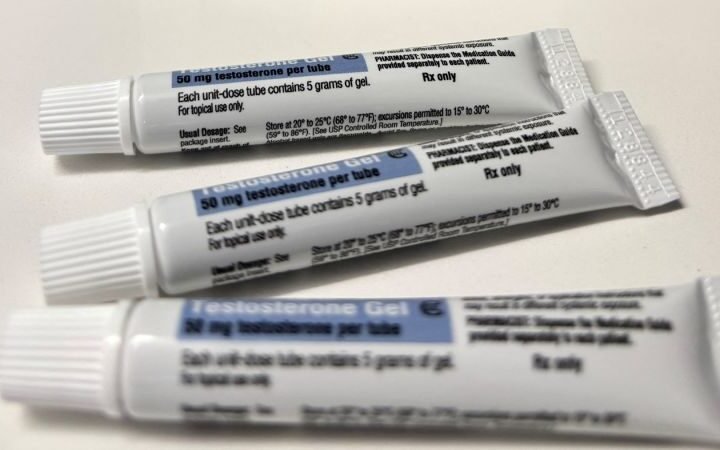
The weight loss often associated with GLP-1 administration can enhance hormone function, specifically testosterone levels. Dr. Natesh noted that if additional research confirms GLP-1s as an effective treatment for male infertility, they could provide a viable alternative to testosterone replacement therapy, which may suppress sperm production.
Moreover, GLP-1 medications may reduce inflammation and metabolic stress that could hinder sperm production. However, this study focused exclusively on men with a high body mass index, leaving it unclear whether similar benefits would extend to the broader population.
Dr. Amin Herati, a urologist and specialist in male infertility at Johns Hopkins Hospital, cautioned that not all individuals facing weight loss challenges have hormone issues directly linked to their weight; hence, a thorough fertility evaluation with a reproductive urologist is essential. Sudden changes in body fat, whether from bariatric surgery or GLP-1 medications, may send signals to the brain that can influence fertility negatively, he remarked.
What else men can do to improve fertility
For those looking to enhance their fertility, the call to action is clear: seek consultation after 12 months of unsuccessful attempts to conceive or if experiencing symptoms like decreased libido, low energy, or changes in body composition.
Improving reproductive health is not solely for those wishing to parent. Good semen quality and healthy testosterone levels are critical indicators of overall long-term well-being in men, Dr. Mínguez Alarcón emphasized.
To promote fertility, individuals should consider dietary adjustments, avoiding ultraprocessed foods, engaging in regular physical activity, and limiting exposure to endocrine-disrupting chemicals. Dr. Natesh added that adequate sleep and reduced consumption of smoking and alcohol are also vital. Men aiming to father children should keep their healthcare providers well-informed regarding their intentions, as this may impact treatment decisions.