Hegseth announces new policy to test troops for low testosterone
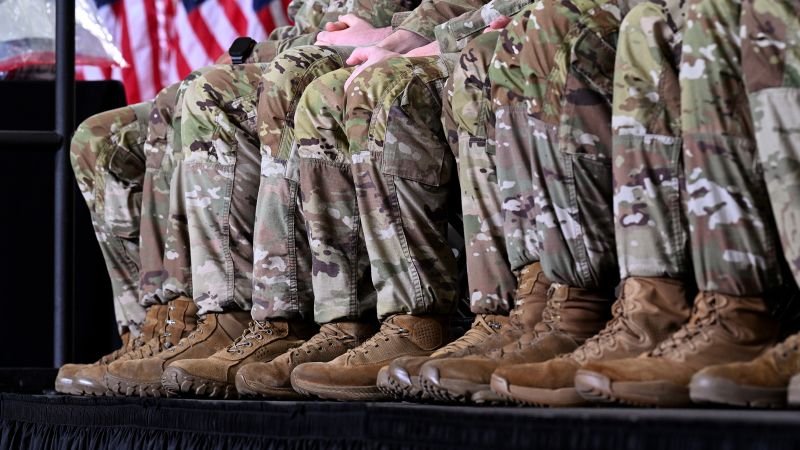
US Defense Secretary Pete Hegseth announced the launch of a new initiative to screen service members aged 30 and over for low testosterone levels. The move reflects a rising awareness of testosterone-related health issues among men, particularly in context with military service, reports BritPanorama.
This policy marks a significant shift as discussions surrounding testosterone levels have gained momentum, moving from informal settings to public discourse. Hegseth’s announcement indicates a formal recognition of testosterone as an important aspect of men’s health within the military framework.
The military is keen to address concerns over low testosterone, which can affect energy levels and overall health. As men become more proactive in seeking medical advice, particularly related to hormonal health, a more systematic approach to screening seems timely.
Despite this growing interest, there are important considerations regarding the implications of testosterone testing and treatment. While some men may benefit from testosterone replacement therapy, healthcare providers emphasize the need for thorough evaluations to determine underlying causes of low testosterone rather than immediately resorting to treatment.
Shifting culture surrounding men’s health
An increasing number of men are taking a more active role in managing their health, often asking questions about testosterone levels and potential impacts on their overall well-being. This cultural shift signifies that past taboos are diminishing, allowing for a more open dialogue about masculine health challenges.
As this conversation evolves, it raises essential questions about how we perceive and evaluate health in men, particularly concerning hormonal health. However, achieving a balance in treatment and understanding the implications of testosterone measurement will be critical for military personnel and the broader population alike.
Ultimately, while increasing awareness and screening could lead to positive outcomes, the focus must remain on comprehensive health assessments that consider lifestyle factors and personal goals before deciding on a treatment path.
The discussion surrounding testosterone and its effects is set to continue, highlighting the nuanced relationship between health awareness and effective medical intervention within the military and beyond.